A long-standing policy allows parking in front of churches and synagogues but leaves cars blocking bike lanes, and cyclists want the practice to end.


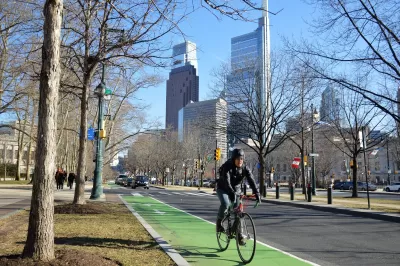
"On streets near 74 houses of worship in Center City, the faithful are granted relaxed parking enforcement that allows them to put their cars in places that are convenient for services," writes Jason Laughlin. The Philadelphia parking policy has been in place for 20 years, but cyclists say the vehicles block bike lanes and pose a danger.
People visiting from outside the area argue they have few options for parking during services and special events. The issue also reflects the increased density and growth in downtown Philadelphia, where street space is in higher demand.
A compromise has yet to be reached, but bike advocates say any future agreements should balance the needs of both worshippers and cyclists. They have suggested that drivers use paid parking lots in the vicinity, many of which are largely empty on the weekends, and that the city move cars away from streets with bike lanes.
FULL STORY: Philly blesses worshipers with free parking, eliciting cyclists’ Old Testament wrath

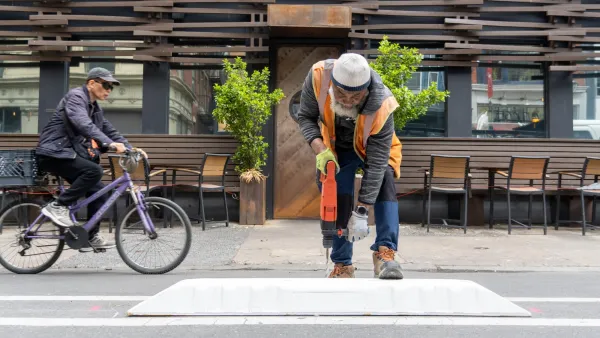
Philadelphia adds new safety measures to 13th Street bike lane
The city is piloting plastic, modular bike lane separators that buffer cyclists from the adjacent vehicle lane.
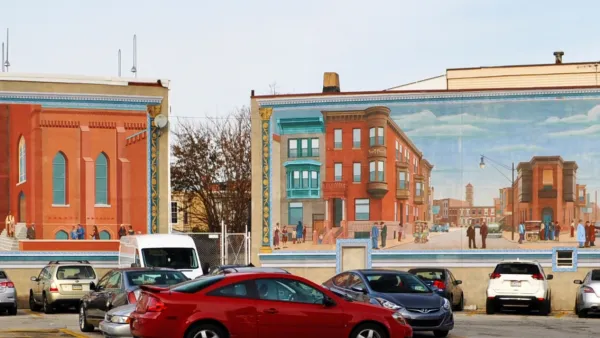
Philadelphia's downtown parking lots are a 'valuable, untapped resource'
Over two dozen city-owned parking lots could be developed into housing or other uses.
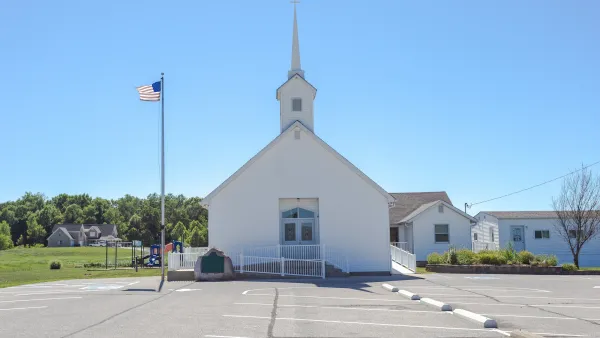
Three Ways to Activate Church Parking Lots Seven Days a Week
Churches need parking, but most of their lots are wasted space six days a week.

Planetizen Federal Action Tracker
A weekly monitor of how Trump’s orders and actions are impacting planners and planning in America.

The state-sanctioned urbicide of Austin
People don’t kill cities. Freeways do.

US to reduce Colorado River water deliveries to Mexico
A new Colorado Treaty amendment reduces Mexico’s Colorado River water allocation by 250,000 acre feet.

LA Metro’s ultimatum: no extra buses for LA28 if federal funding isn’t imminently secured
If Metro does not provide additional buses, LA28 organizers will have to find a new way to manage Olympic traffic. LA28’s budget does not include a line item for transit.

Colorado’s Largest Data Center Could Rise Next to Homes — Without a Public Hearing
The proposed campus would consume 11 times the power of Denver International Airport; as it has across the country, opposition mounts.

5 New England states march closer to 800 megawatt wind energy project
Securing federal approval for the project may be complicated under the Trump administration, which has historically been hostile towards domestic wind power.

FREE Course: Walkable City 1: Why Walkability?
After describing his path towards focusing on walkability as the essence of good planning, Jeff Speck marches through his five principal reasons for making more walkable places.
Reinventing Malls: Planning Alchemy—Turning Gray Fields Into Gold
The course focuses on the opportunities and imperatives that shape reinvention of mall sites.

Eagle County Government
Harvard University Graduate School of Design
Nashville Planning Department
The Architects Foundation
University of Cincinnati Online
The Pocatello Development Authority
The Urban Renewal Agency of the City of Pocatello
Journal of the American Planning Association