A Curbed feature details the ongoing transformation of a formerly inaccessible and inhospitable corner of New York City.


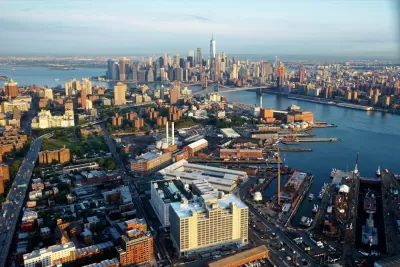
Nathan Kensinger reports on a wave of changes at the Brooklyn Navy Yard, which for decades has been mostly fenced off from public:
But over the past three years, the public has been able to access more of the spaces inside the yard’s historic footprint. Today, visitors can stroll through fields of wildflowers at the Naval Cemetery Landscape, buy a bagel at Russ & Daughters inside the renovated lobby of Building 77, and take a ride in a self-driving vehicle out to a new ferry stop on the East River. This is the first time in generations that neighbors are being allowed to wander through the heart of the yard, and to observe the waters of Wallabout Bay.
The wave of publically accessible redevelopment started in 2011, with other major milestones in 2016. In 2019, there are a number of new developments about to come online that will allow the public new access to the Brooklyn Navy Yard, and even bigger developments a little further along in the pipeline. Kensinger provides a detailed chronology, past and future, of development both in and around the Navy Yard.
FULL STORY: The Brooklyn Navy Yard gets ready for its close-up

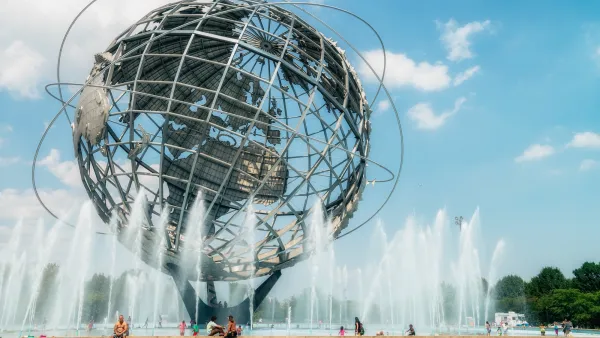
Historic Queens park is getting a $120M upgrade
The borough's largest park will undergo significant upgrades for accessibility, flood mitigation and historic preservation.
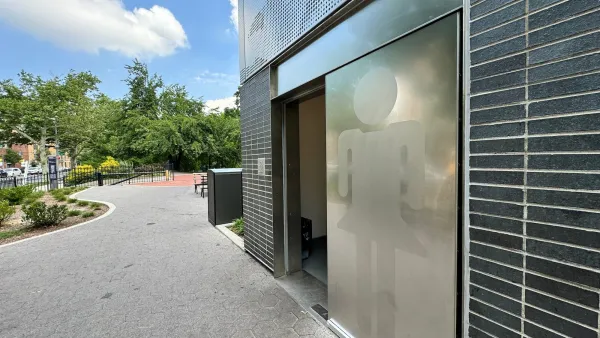
Mamdani Administration Promises 20-30 New Public Bathrooms by End of Summer
Of the city’s 1,000 public restrooms, just 30 percent are located outside of parks.

Alysa Liu's Oakland Training Center Highlights the Importance of California's Defunded Redevelopment Agencies
The financial and legal ecosystem that led to the creation of the Oakland Ice Center no longer exists after California dissolved its state redevelopment agencies.

Planetizen Federal Action Tracker
A weekly monitor of how Trump’s orders and actions are impacting planners and planning in America.

The state-sanctioned urbicide of Austin
People don’t kill cities. Freeways do.

US to reduce Colorado River water deliveries to Mexico
A new Colorado Treaty amendment reduces Mexico’s Colorado River water allocation by 250,000 acre feet.

Colorado’s Largest Data Center Could Rise Next to Homes — Without a Public Hearing
The proposed campus would consume 11 times the power of Denver International Airport; as it has across the country, opposition mounts.

5 New England states march closer to 800 megawatt wind energy project
Securing federal approval for the project may be complicated under the Trump administration, which has historically been hostile towards domestic wind power.

Baltimore to break ground on $50 million Transit Priority Project
The project will bring faster bus trips, safer streets and better bike connections to Baltimore.

FREE Course: Walkable City 1: Why Walkability?
After describing his path towards focusing on walkability as the essence of good planning, Jeff Speck marches through his five principal reasons for making more walkable places.
Reinventing Malls: Planning Alchemy—Turning Gray Fields Into Gold
The course focuses on the opportunities and imperatives that shape reinvention of mall sites.

Eagle County Government
Harvard University Graduate School of Design
Nashville Planning Department
The Architects Foundation
University of Cincinnati Online
The Pocatello Development Authority
The Urban Renewal Agency of the City of Pocatello
Journal of the American Planning Association