A new plan released by the U.S. Environmental Protection Agency provides technical and strategic assistance for the implementation of water reuse infrastructure around the United States.


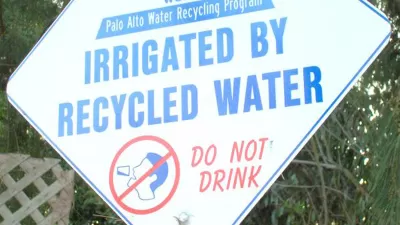
The U.S. Environmental Protection Agency has published a draft "National Water Reuse Action Plan" [pdf], identifying "46 proposed actions organized around 10 strategic objectives, including leadership and collaboration, to support the implementation of water reuse," according to an article on the WaterNewsNetwork of the San Diego County Water Authority.
"The draft plan incorporates federal, state, tribal and local water perspectives and highlights key actions that support consideration and implementation of water reuse," according to the article. The report anticipates water shortages in 40 states over the next decade, and promotes water reuse as a local source of water sustainability and supply diversification.
The plan now enters a 90-day comment period before it will be added to the Federal Register.
FULL STORY: EPA Action Plan to Boost Water Reuse Across U.S.

10 Water Policy and Infrastructure Realities
In celebration of Water Week in the United States, as well as World Water Day, as celebrated by the United Nations, Brookings has complied a list of ten facts about water policy and infrastructure.
How US Communities Are Building Resilience Against Flooding
Flooding causes over $400 billion in damage in the United States every year.
Winter Storm Knocks Out Drinking Water Systems in the South, Including in Jackson
Jackson, Mississippi made headlines and incurred a civil rights investigation earlier this year when flooding knocked out the city’s drinking water supply. This week’s winter storm had the same effect on Jackson as well as other Southern cities.

Planetizen Federal Action Tracker
A weekly monitor of how Trump’s orders and actions are impacting planners and planning in America.

The state-sanctioned urbicide of Austin
People don’t kill cities. Freeways do.

US to reduce Colorado River water deliveries to Mexico
A new Colorado Treaty amendment reduces Mexico’s Colorado River water allocation by 250,000 acre feet.

5 New England states march closer to 800 megawatt wind energy project
Securing federal approval for the project may be complicated under the Trump administration, which has historically been hostile towards domestic wind power.

Baltimore to break ground on $50 million Transit Priority Project
The project will bring faster bus trips, safer streets and better bike connections to Baltimore.

Airbnb launches $250 million 'last-dollar financing' housing accelerator, makes first investment in Austin
The company will put $6.4 million towards affordable housing development in Texas’ capital.

FREE Course: Walkable City 1: Why Walkability?
After describing his path towards focusing on walkability as the essence of good planning, Jeff Speck marches through his five principal reasons for making more walkable places.
Reinventing Malls: Planning Alchemy—Turning Gray Fields Into Gold
The course focuses on the opportunities and imperatives that shape reinvention of mall sites.

Eagle County Government
Harvard University Graduate School of Design
Nashville Planning Department
The Architects Foundation
University of Cincinnati Online
The Pocatello Development Authority
The Urban Renewal Agency of the City of Pocatello
Journal of the American Planning Association