After Detroit eliminated its fee to transfer between DDOT and SMART buses. Advocates in Pennsylvania want Philadelphia to be next.


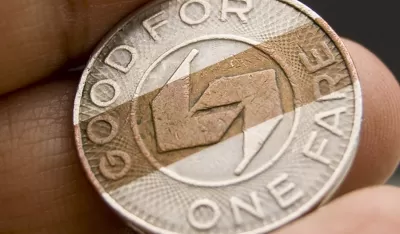
"[On April 17], DDOT and SMART took a positive step to simplify that process. The two transit providers have partnered to create Dart, a unified payment system that eliminates transfer fees in favor of a single purchase," reports Aaron Mondry for Curbed Detroit.
Meanwhile, in Philadelphia SEPTA riders aren't even changing bus systems, but they still have to pay a fee to transfer between lines. That could change if City Councilmember Helen Gym is successful in pushing the transit agency to eliminate the transfer fee, following the model of transit systems in New York City and Houston.
"But that is only if the agency can find another way to earn the $12 million in annual revenue that currently comes from transfer fees — and that’s a big if. SEPTA can’t afford to lose any income, especially not at a time when state funding is hovering at record lows," writes Darryl C. Murphy in an article for PlanPhilly.
FULL STORY: Detrot’s transportation agency just eliminated its transfer fee. Will Philly be next?

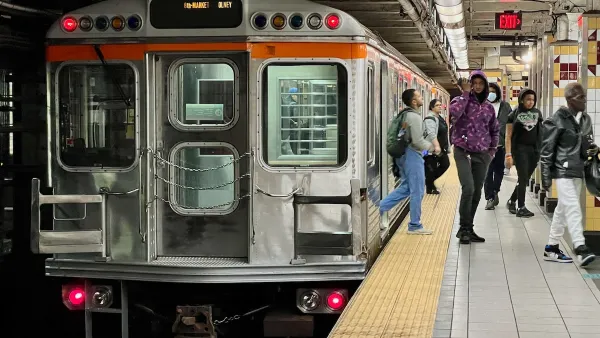
Lawsuit Challenges SEPTA Fare Hikes
A class action suit calls fare raises an “arbitrary and capricious action” that required public hearings.
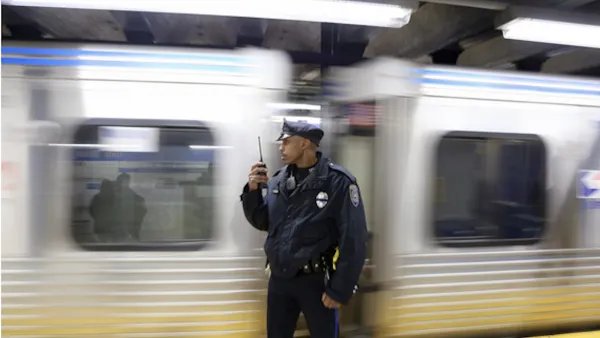
New Philly Fare Gates ‘Astonishingly Easy to Beat’
A set of high-tech gates aimed at limiting fare evasion is already failing.
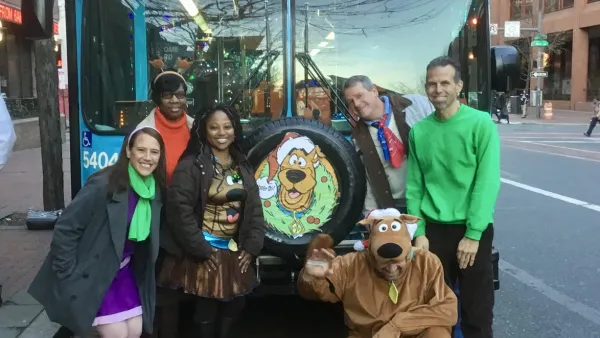
Friday Eye Candy: Cities Break Out the Festive Buses for the Holidays
Check out the holiday-themed buses rolling through the Southeastern Pennsylvania Transportation Authority and the Detroit Department of Transportation systems.

Planetizen Federal Action Tracker
A weekly monitor of how Trump’s orders and actions are impacting planners and planning in America.

The state-sanctioned urbicide of Austin
People don’t kill cities. Freeways do.

US to reduce Colorado River water deliveries to Mexico
A new Colorado Treaty amendment reduces Mexico’s Colorado River water allocation by 250,000 acre feet.

Airbnb launches $250 million 'last-dollar financing' housing accelerator, makes first investment in Austin
The company will put $6.4 million towards affordable housing development in Texas’ capital.

Guerilla urbanists are building DIY bus stop benches in Chicago
A before-and-after of one of the bus stops with a new bench. The new benches are not officially sanctioned or permitted, but the residents who placed them hope they will be the start of a network of DIY benches across the city.

Mamdani overhauls NYC's Vision Zero plan with 100 new policy goals
The overhaul aims to reduce traffic deaths and make streets safer for pedestrians, cyclists and drivers through lower speed limits, new safety infrastructure and more.

FREE Course: Walkable City 1: Why Walkability?
After describing his path towards focusing on walkability as the essence of good planning, Jeff Speck marches through his five principal reasons for making more walkable places.
Reinventing Malls: Planning Alchemy—Turning Gray Fields Into Gold
The course focuses on the opportunities and imperatives that shape reinvention of mall sites.

Eagle County Government
Harvard University Graduate School of Design
Nashville Planning Department
The Architects Foundation
University of Cincinnati Online
The Pocatello Development Authority
The Urban Renewal Agency of the City of Pocatello
Journal of the American Planning Association