New maps show demographic trends in voting after a March special election to expand MARTA in the Atlanta region.


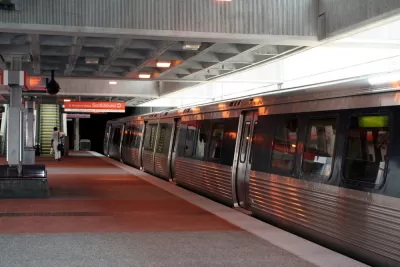
A referendum to expand Metropolitan Atlanta Rapid Transit Authority rail and bus service to Gwinnett County in Georgia was put to a vote on March 19 and failed. It was the first attempt in 30 years to make the county part of the MARTA system, but voters rejected the proposal for a 1-cent sales tax to fund new transit services.
The Atlanta Journal-Constitution has produced maps combining the referendum results by polling place with demographic information about surrounding communities. The maps show that voters who supported the proposal were located in younger, minority, and low-income communities. However, the commute time of voters did not translate into a clear pattern of voting, as some voters with short commutes supported the referendum and some with longer commutes voted against it.
The pro-transit campaign had substantial resources and backing, but supporters say the standalone election resulted in low voter turnout. While polls have shown that people want to see better transit in the region, the opposition argued against the sales tax and capitalized on longstanding fears about public transit and MARTA’s past financial problems.
Read the full story: Demographics of the Gwinnett MARTA vote


Gwinnett County to Vote on Joining MARTA
Transit activists celebrated the good news that residents will finally be given the opportunity to join the Metropolitan Atlanta Rapid Transit Authority but bemoaned that they would have to wait till March 2020 to vote on the one percent sales tax.

MARTA Adds Train Service for NYE Events
The Atlanta transit agency will run additional trains to accommodate traffic to sporting and cultural events downtown over the New Year’s holiday.
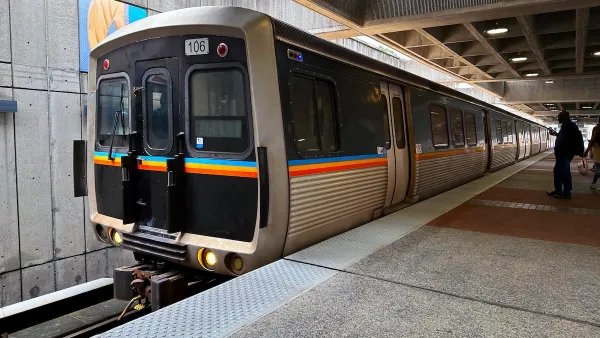
Atlanta City Leaders Call on MARTA to Expand Weekend Service
The city is set to host multiple major sporting events in the next several years, prompting calls for expanded transit service on weekends and to popular areas.

Planetizen Federal Action Tracker
A weekly monitor of how Trump’s orders and actions are impacting planners and planning in America.

California plans to bury El Niño’s downpour
If the state plays its cards right, it may be able to store a billion acre-feet of El Niño’s water in aquifers.

Chicago breaks ground on $3 billion megadevelopment
The new neighborhood, titled Foundry Park, will one day host 3,700 residences.

Satanic place names
From streams and lakes to valleys and canyons, I mapped more than 1,000 places named after the Devil.

California High-Speed Rail Authority CEO resigns after $600,000 scandal
Under Ian Choudri, the authority used taxpayer dollars to fund first class flights and trips to nightclubs.

Want to study the Missouri River? Soon, you may need unanimous approval from 10 states
Legislation would require 10 governors’ permission to study or build projects moving water outside the basin.

FREE Course: Walkable City 1: Why Walkability?
After describing his path towards focusing on walkability as the essence of good planning, Jeff Speck marches through his five principal reasons for making more walkable places.
Reinventing Malls: Planning Alchemy—Turning Gray Fields Into Gold
The course focuses on the opportunities and imperatives that shape reinvention of mall sites.

City of Rosemead
Rutgers University, Edward J. Bloustein School of Planning and Public Policy
One Hundred Miles
Hunter College, City University of New York (CUNY)
The Architects Foundation
University of Cincinnati Online
City of Cambridge
Montrose County
The Pocatello Development Authority