While historic preservation is often perceived to be a hinderance to development efforts, preserving buildings actually helps economic development, say advocates.


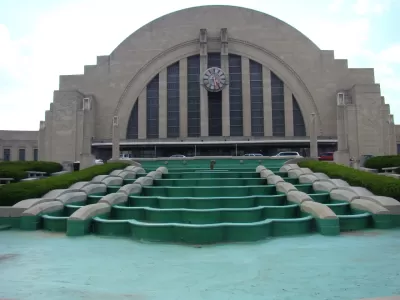
In a segment on the Cincinnati Edition show, Michael Monks discusses the perception that economic development and historic preservation efforts are always at odds. The modernist Terrace Plaza Hotel in downtown Cincinnati is an architectural icon, and preservationists are pushing for landmark designation to protect the building. They also want to make sure that any plans to redevelop the site respect its historic past.
"Preservation is economic development. As a matter of fact, it’s one the most powerful tools cities have at their disposal. The cities that are really prospering and growing around the country are ones that have a sense of authenticity and vitality, and they resonate with people," says Paul Muller of the Cincinnati Preservation Association.
Preservation has become an accepted redevelopment strategy because it stabilizes neighborhoods, helps increase property values, and creates jobs, notes Muller. "From the rebirth of century-old buildings in Over-the-Rhine, Covington and Newport, to more high-profile restorations of landmark spaces like Music Hall and Union Terminal, preservationists work to make their case that historic properties are worth saving," writes Monks.
Read the full story: When Economic Development And Preservationists Collide

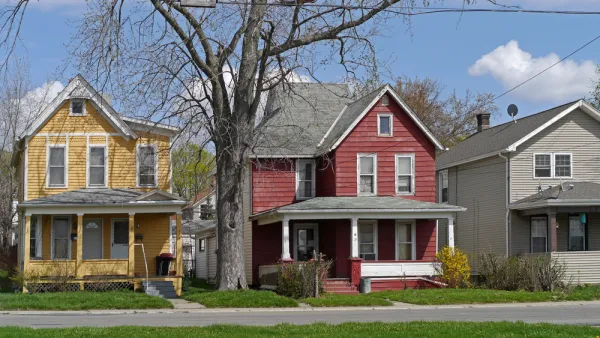
Opinion: New Construction Is Safer, Better for the Environment
The emotional attachment to old homes can obscure the benefits of new buildings, which consume less energy and provide more amenities for residents.
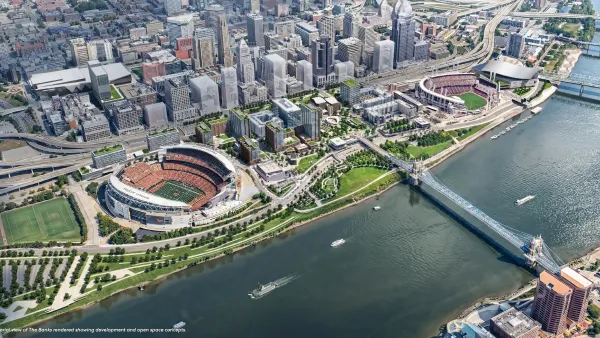
Cincinnati upzoning plan paves way for revitalized waterfront district
The city hopes to kickstart new development on five vacant lots in the riverfront entertainment district.
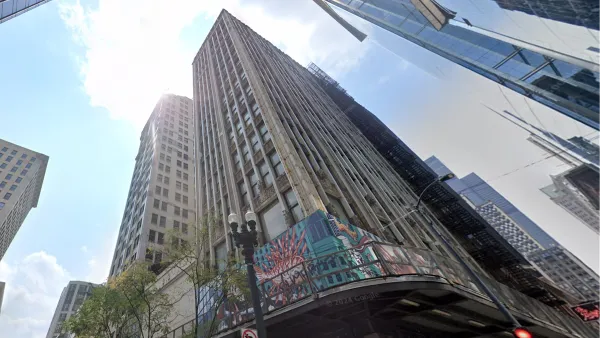
Chicago Towers Recommended for Adaptive Reuse
Once slated for demolition, two historic buildings owned by the federal government will be restored for new uses.

Planetizen Federal Action Tracker
A weekly monitor of how Trump’s orders and actions are impacting planners and planning in America.

California plans to bury El Niño’s downpour
If the state plays its cards right, it may be able to store a billion acre-feet of El Niño’s water in aquifers.

Desperate measures: Advocates weigh draining Lake Powell to fill Colorado River
Draining the reservoir could reduce evaporation losses by a couple hundred thousand acre-feet.

California city breaks ground on transit connector
The project includes three mobility hubs and a pedestrian bridge.

After public outcry, Massachusetts city releases housing development tracker
Cambridge’s tracker currently shows 250 housing projects in various stages of development.

40 years after approval, Chicago breaks ground on new park
The park honors Jean Baptiste Point du Sable, the city’s first permanent non-native settler.

FREE Course: Walkable City 1: Why Walkability?
After describing his path towards focusing on walkability as the essence of good planning, Jeff Speck marches through his five principal reasons for making more walkable places.
Reinventing Malls: Planning Alchemy—Turning Gray Fields Into Gold
The course focuses on the opportunities and imperatives that shape reinvention of mall sites.


City of Rosemead
Rutgers University, Edward J. Bloustein School of Planning and Public Policy
One Hundred Miles
Hunter College, City University of New York (CUNY)
The Architects Foundation
University of Cincinnati Online
City of Cambridge
Montrose County
The Pocatello Development Authority