Legislation before the Pittsburgh Planning Commission this week would implement inclusionary zoning requirements for the neighborhood of Lawrenceville.


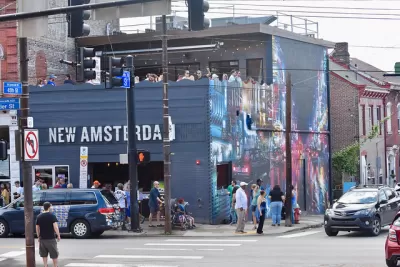
"A proposal to mandate more affordable housing in Lawrenceville took a step forward Tuesday with a briefing to Pittsburgh Planning Commission members," reports Kate Giammarise.
The new inclusionary zoning requirement "would require developers to make 10 percent of units affordable in any new project in Lawrenceville that has at least 20 units."
The Planning Commission reviewed community responses sent by mail, with 150 comments in opposed to the proposal and 91 in favor. "Those opposed said they were concerned about decreased property values, a lack of parking, or the arrival of low-income renters," reports Giammarise.
Previous coverage by Ashley Murray suggests that the idea of inclusionary zoning has political support from the Pittsburgh City Council only if applied to the neighborhood of Lawrenceville, but as a citywide proposition.
FULL STORY: Planning Commission reviews proposal to require affordable housing in Lawrenceville

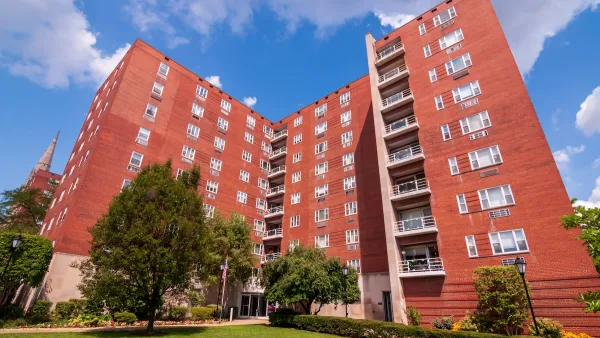
Pittsburgh Lawsuit Threatens Affordable Housing Requirement
A suit brought by a developers’ group calls the cost burden of the city’s inclusionary zoning law ‘unconstitutional.’
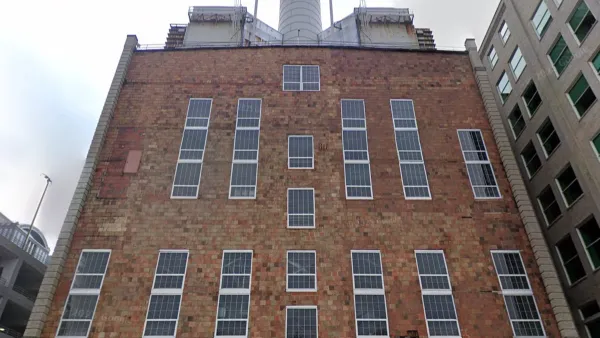
Defunct Pittsburgh Power Plant to Become Residential Tower
A decommissioned steam heat plant will be redeveloped into almost 100 affordable housing units.

Pittsburgh Mayor Proposes Zoning Changes to Curb Housing Shortage
The mayor’s plan includes legalizing ADUs in single-family neighborhoods, eliminating parking requirements, and adding new affordability requirements to buildings with over 20 units.

Planetizen Federal Action Tracker
A weekly monitor of how Trump’s orders and actions are impacting planners and planning in America.

The state-sanctioned urbicide of Austin
People don’t kill cities. Freeways do.

US to reduce Colorado River water deliveries to Mexico
A new Colorado Treaty amendment reduces Mexico’s Colorado River water allocation by 250,000 acre feet.

5 New England states march closer to 800 megawatt wind energy project
Securing federal approval for the project may be complicated under the Trump administration, which has historically been hostile towards domestic wind power.

Baltimore to break ground on $50 million Transit Priority Project
The project will bring faster bus trips, safer streets and better bike connections to Baltimore.

Airbnb launches $250 million 'last-dollar financing' housing accelerator, makes first investment in Austin
The company will put $6.4 million towards affordable housing development in Texas’ capital.

FREE Course: Walkable City 1: Why Walkability?
After describing his path towards focusing on walkability as the essence of good planning, Jeff Speck marches through his five principal reasons for making more walkable places.
Reinventing Malls: Planning Alchemy—Turning Gray Fields Into Gold
The course focuses on the opportunities and imperatives that shape reinvention of mall sites.

Eagle County Government
Harvard University Graduate School of Design
Nashville Planning Department
The Architects Foundation
University of Cincinnati Online
The Pocatello Development Authority
The Urban Renewal Agency of the City of Pocatello
Journal of the American Planning Association