The most recent citywide election in Chicago was considered a referendum on the old way of operating the city. The $6 billion Lincoln Yards project, on the brink of approval, could be included in that referendum.


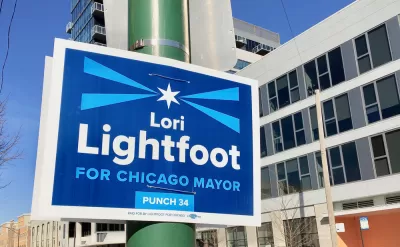
Chicago Mayor-elect Lori Lightfoot called her election a "mandate for change." There's no denying the margin of the victory: almost 74 percent of all voters supported Lightfoot, winning all wards, and comes into office with 14 new aldermen.
"The old guard has been grievously wounded," according to a column by Eric Zorn that makes the argument that the city's lame duck leadership should avoid action on Lincoln Yards, the controversial $6 billion mega-development planned for 55 acres of former industrial property between Bucktown and Lincoln Park.
The City Council already approved zoning changes for the project in March. The critical question of the tax increment financing district, approved by the Community Development Commission in February, was scheduled for a City Council vote during the lame duck session.
Mayor-elect Lightfoot has not supported the project as proposed, citing its lack of affordable housing and calling to delay the project's approval.
FULL STORY: Lori Lightfoot's landslide victory is a case for delaying the Lincoln Yards TIF vote


Multi-Modal Bridge Coming Soon to Lincoln Yards Mega-Project in Chicago
Residents of Chicago will soon see some of the fruits of the controversial tax increment financing for the Lincoln Yards project in Chicago's North Side.
Lincoln Yards Mega-Development Clears Final Legislative Hurdle
A Chicago City Council vote to approve tax increment financing for the massive Lincoln Yards redevelopment proposal scored a surprising reversal and a big win for outgoing Mayor Rahm Emanuel, with an assist from Mayor-elect Lori Lightfoot.
Chicago's Largest-Ever Tax Increment Financing District Approved for Lincoln Yards Development
The new TIF is expected to generate $900 million. Opponents wanted to wait until a new mayor is elected to decide on the TIF.

Planetizen Federal Action Tracker
A weekly monitor of how Trump’s orders and actions are impacting planners and planning in America.

The state-sanctioned urbicide of Austin
People don’t kill cities. Freeways do.

US to reduce Colorado River water deliveries to Mexico
A new Colorado Treaty amendment reduces Mexico’s Colorado River water allocation by 250,000 acre feet.

Airbnb launches $250 million 'last-dollar financing' housing accelerator, makes first investment in Austin
The company will put $6.4 million towards affordable housing development in Texas’ capital.

Guerilla urbanists are building DIY bus stop benches in Chicago
A before-and-after of one of the bus stops with a new bench. The new benches are not officially sanctioned or permitted, but the residents who placed them hope they will be the start of a network of DIY benches across the city.

Mamdani overhauls NYC's Vision Zero plan with 100 new policy goals
The overhaul aims to reduce traffic deaths and make streets safer for pedestrians, cyclists and drivers through lower speed limits, new safety infrastructure and more.

FREE Course: Walkable City 1: Why Walkability?
After describing his path towards focusing on walkability as the essence of good planning, Jeff Speck marches through his five principal reasons for making more walkable places.
Reinventing Malls: Planning Alchemy—Turning Gray Fields Into Gold
The course focuses on the opportunities and imperatives that shape reinvention of mall sites.

Eagle County Government
Harvard University Graduate School of Design
Nashville Planning Department
The Architects Foundation
University of Cincinnati Online
The Pocatello Development Authority
The Urban Renewal Agency of the City of Pocatello
Journal of the American Planning Association