Nonprofits often advocate for local transit spending, but when we gather, we seem to forget these values. How would we know what the transit of a given city is like if we never ride their buses?


Last May, I got my first glimpses of Louisville, Kentucky, from the windows of a public bus. As we crossed railroad bridges, passed a campus, and slid between blocks of neat Victorian homes, we learned from the bus driver about how many more jobs there were in Louisville compared to Toledo where she’d come from, and we chatted about the royal wedding. Approaching the hotel on foot from the bus stop two blocks away, I was welcomed by some of downtown Louisville’s ubiquitous street art, including gigantic walk-through bourbon barrel staves, and I got a quick look at the Ohio River before heading inside.
The 30-minute ride cost me $1.75, which for the penny-conscious nonprofit business traveler is a pretty good deal compared to a taxi, ride-hail, or airport shuttle.
I don’t know if I was the only attendee who arrived at that conference from the airport by bus, but I wouldn’t be surprised, given that neither the conference organizers nor the hotel listed it in their transportation from airport options. And they are not alone. In my eight years of attending at least half a dozen conferences a year, the number of conference logistics emails or travel FAQs [frequently-asked questions lists] that I’ve seen include information on bus routes from the airport is small, if indeed there were any.
FULL STORY: Taking the Bus: Nonprofit Conferences and Integrity of Purpose


Chicago Bus Travelers Could Lose Downtown Terminal — and Winter is Coming
As the loss of intercity bus services and stations continues, Chicago could become the largest city in the developed world without a major downtown bus terminal.
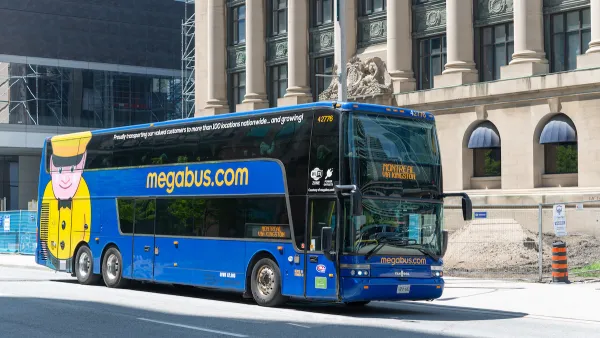
Megabus Owner Files for Bankruptcy
Intercity bus lines in the United States face yet more challenges as a major operator files for bankruptcy, but the company says service continues uninterrupted for now.
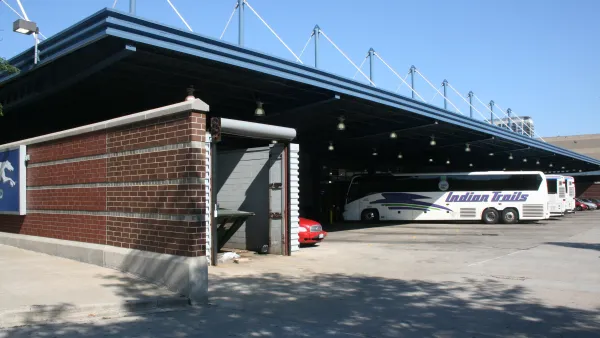
Chicago’s Greyhound Station Could Close
The terminal, sold last year, is the only intercity bus station in the city, serving hundreds of thousands of mostly low-income travelers each year.

The state-sanctioned urbicide of Austin
People don’t kill cities. Freeways do.

US to reduce Colorado River water deliveries to Mexico
A new Colorado Treaty amendment reduces Mexico’s Colorado River water allocation by 250,000 acre feet.

New Jersey’s second-largest city bans standalone data centers
Jersey City will continue to allow co-location facilities, such as those meant for research institutions that store their own data.

Amtrak not solely to blame for New Jersey commuter rail's unreliability, report finds
A new study from the Garden State Initiative found that NJ Transit’s budget grew 20% across a 4 year period, but reliability declined significantly over the same period.

EPA erases limits on planet-warming pollution from power plants
Under Monday’s plan, power plants would still have some limits on how much mercury, arsenic and other contaminants they can emit.

Phoenix announces new on-demand transit service, more frequent RAPID buses
Both new services will launch in October, and are part of Phoenix's Project Effective Access Solutions for Easing Congestion.

FREE Course: Walkable City 1: Why Walkability?
After describing his path towards focusing on walkability as the essence of good planning, Jeff Speck marches through his five principal reasons for making more walkable places.
Reinventing Malls: Planning Alchemy—Turning Gray Fields Into Gold
The course focuses on the opportunities and imperatives that shape reinvention of mall sites.


Eagle County Government
Harvard University Graduate School of Design
Nashville Planning Department
The Architects Foundation
University of Cincinnati Online
The Pocatello Development Authority
The Urban Renewal Agency of the City of Pocatello
Journal of the American Planning Association