A thriving natural environment creates opportunity for private developers and local economies, an economist argues.



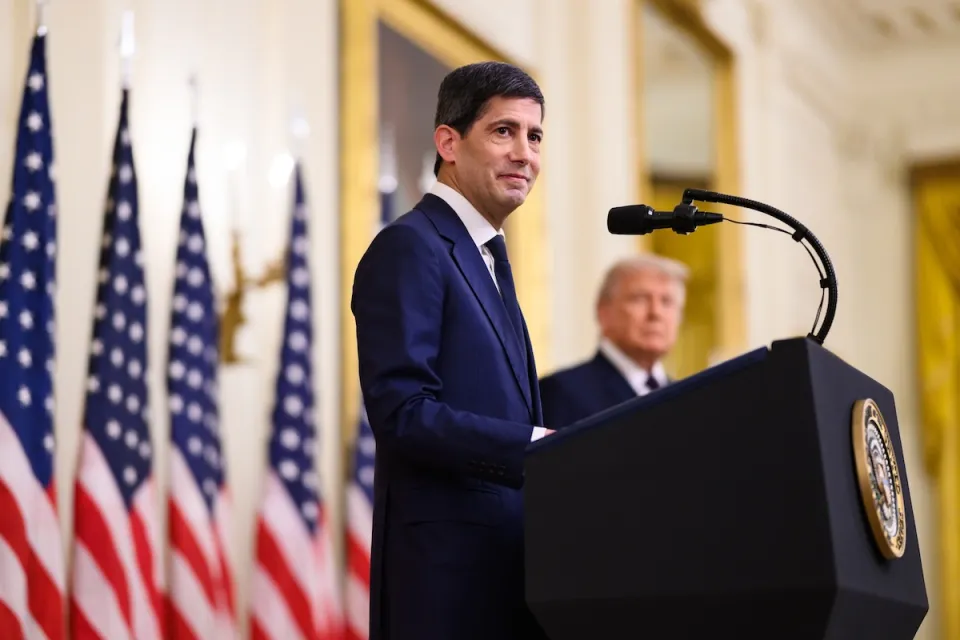
In the New York Times, economics professor and former Obama adviser Austan Goolsbee urges the Trump administration to embrace environmental conservation as an economic growth strategy. Environmental regulation can benefit the private sector while helping to revitalize struggling rural towns, he argues.
"Accessible public lands and vibrant wildlife bring people to small towns and rural areas," Goolsbee writes. "They attract tourists and give residents a reason to stay, and give an enormous boost to the private sector in the very places the administration is trying to help." In 2017, visitors spent $50 billion on recreation in federal lands.
Moreover, "cleaning up pollution or protecting public spaces can unlock value in the private sector and allow it to grow." Without regulation and cleanup efforts on the Chicago River, for example, "billions of dollars of economic value would never have existed"—including the Trump Hotel and Tower.
Read the full story: Preserving the Wealth That Conservation Built

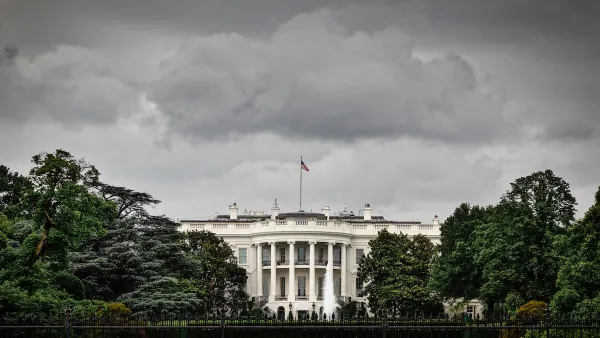
How the Trump Presidency Could Impact Urban Planning
An analysis of potential changes in federal housing, transportation, and climate policies.
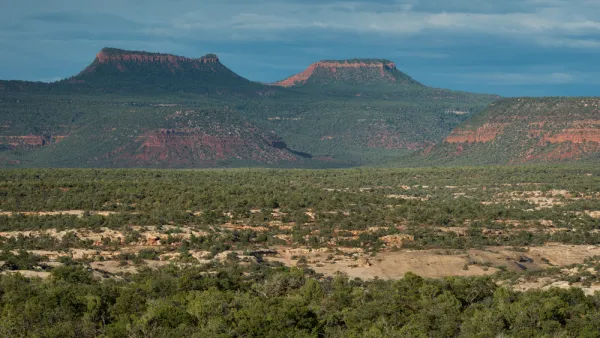
President's Record on Conservation Criticized
President Trump has weakened protections for 35 million acres of public land, despite repeating his intentions to surpass the model for conservation set by President Teddy Roosevelt.
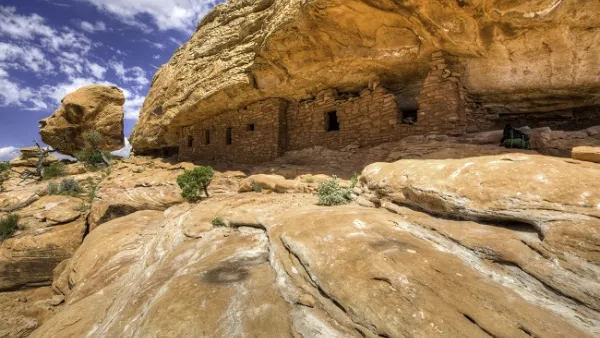
Antiquities Act Executive Order Calls for Review of Large Designations
The Executive Order does not roll back the Antiquities Act nor rescind any designations made by presidents Clinton, George W. Bush, or Obama, but does call for their review if over 100,000 acres. President Trump feels that the act has been misused.

Planetizen Federal Action Tracker
A weekly monitor of how Trump’s orders and actions are impacting planners and planning in America.

The state-sanctioned urbicide of Austin
People don’t kill cities. Freeways do.

Colorado’s Largest Data Center Could Rise Next to Homes — Without a Public Hearing
The proposed campus would consume 11 times the power of Denver International Airport; as it has across the country, opposition mounts.
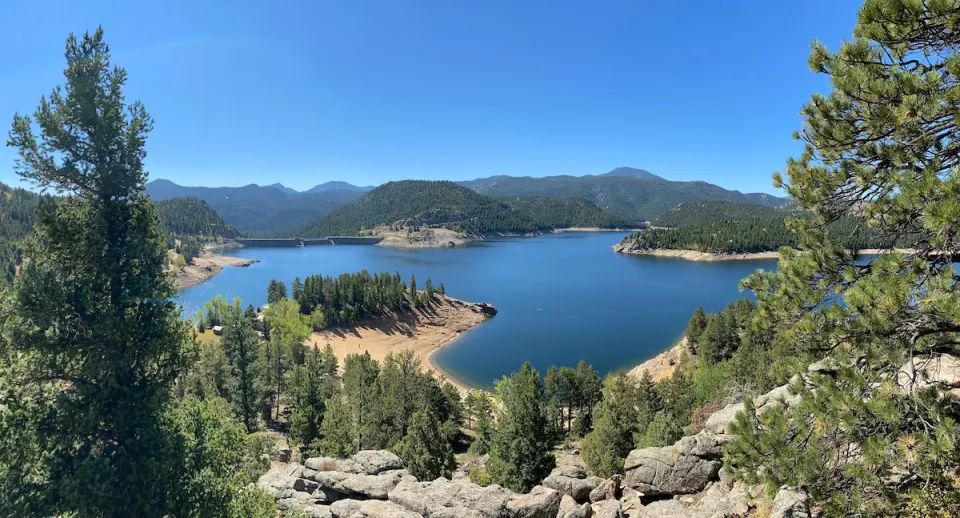
Judges permit Denver to divert 77,000 acre feet from the Colorado River for reservoir expansion
Overuse and climate change have caused the Colorado River’s water levels to plummet.

Amtrak, CN end decades-long dispute with eight-year agreement
The new operating agreement establishes an updated framework for the companies to work together, including processes to resolve disputes.
Raised interest rates may kill financially vulnerable construction projects
The chief economist at ConstructConnect warns that if construction project owners are negatively impacted by the raised rates, it could result in delayed payments to contractors.

FREE Course: Walkable City 1: Why Walkability?
After describing his path towards focusing on walkability as the essence of good planning, Jeff Speck marches through his five principal reasons for making more walkable places.
Reinventing Malls: Planning Alchemy—Turning Gray Fields Into Gold
The course focuses on the opportunities and imperatives that shape reinvention of mall sites.

Greater Baltimore Committee
Eagle County Government
Harvard University Graduate School of Design
The Architects Foundation
University of Cincinnati Online
The Pocatello Development Authority
The Urban Renewal Agency of the City of Pocatello
Journal of the American Planning Association