Mexican voters do not want the airport project to continue, and serious economic consequences could follow.


Seventy percent of 1.07 million people voted on a referendum against a project to replace Mexico City’s Benito Juarez International Airport with a new airport, even though a third of the $13 billion project is completed. President-Elect Andres Manuel Lopez Obrador, set to take office on December 1, vowed to kill the project as part of his anti-corruption platform.
The decision to halt the project led to a drop in the peso, and financial observers are concerned that the move will lead to a rise in inflation and more pressure on an already slow economy.
However, Lopez Obrador did not express similar worries about stopping the project, which he said wasted taxpayer dollars and was plagued by corruption. His administration plans to pursue a proposal to upgrade the airport and another in Toluca, to the east, along with the addition of two runways to a military airport.
FULL STORY: Mexico's AMLO Scraps $13 Billion Airport Project; Peso Plunges

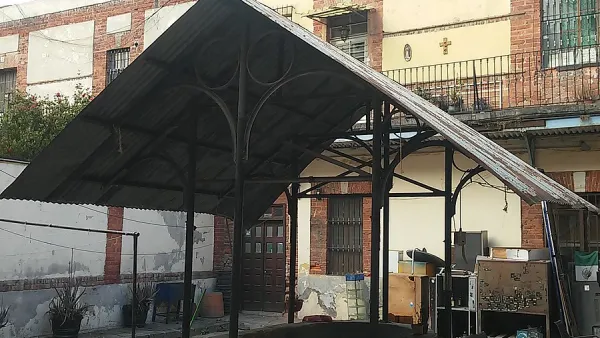
Vecindades: Mexico City's Answer to 'Missing Middle Housing'
An iconic multifamily housing form repurposes the former homes of Mexico's elite into communal housing for urban workers.
Mexico High-Speed Train Has New Hope After Election
Mexico-Queretaro train project was halted in 2015 as part of PRI budget cuts, but the incoming administration says they're interested in restarting the project.
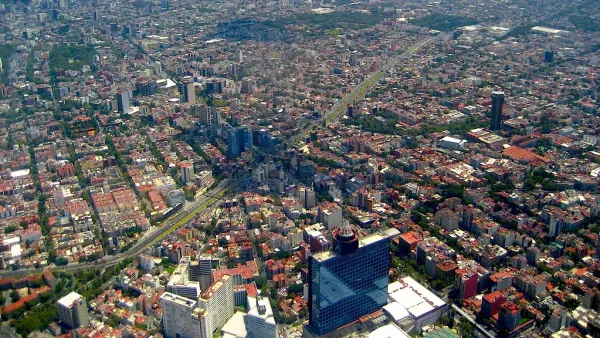
Mexico City Coalition Dreams of Restoring Rivers
A proposal to restore Mexico City's 45 rivers envisions a whole new model for the city.

The state-sanctioned urbicide of Austin
People don’t kill cities. Freeways do.

US to reduce Colorado River water deliveries to Mexico
A new Colorado Treaty amendment reduces Mexico’s Colorado River water allocation by 250,000 acre feet.

New Jersey’s second-largest city bans standalone data centers
Jersey City will continue to allow co-location facilities, such as those meant for research institutions that store their own data.

Amtrak not solely to blame for New Jersey commuter rail's unreliability, report finds
A new study from the Garden State Initiative found that NJ Transit’s budget grew 20% across a 4 year period, but reliability declined significantly over the same period.

EPA erases limits on planet-warming pollution from power plants
Under Monday’s plan, power plants would still have some limits on how much mercury, arsenic and other contaminants they can emit.

Phoenix announces new on-demand transit service, more frequent RAPID buses
Both new services will launch in October, and are part of Phoenix's Project Effective Access Solutions for Easing Congestion.

FREE Course: Walkable City 1: Why Walkability?
After describing his path towards focusing on walkability as the essence of good planning, Jeff Speck marches through his five principal reasons for making more walkable places.
Reinventing Malls: Planning Alchemy—Turning Gray Fields Into Gold
The course focuses on the opportunities and imperatives that shape reinvention of mall sites.

.jpg)
Eagle County Government
Harvard University Graduate School of Design
Nashville Planning Department
The Architects Foundation
University of Cincinnati Online
The Pocatello Development Authority
The Urban Renewal Agency of the City of Pocatello
Journal of the American Planning Association