While transit systems are losing riders to Uber and Lyft, the sometimes competitors have also found ways to cooperate.


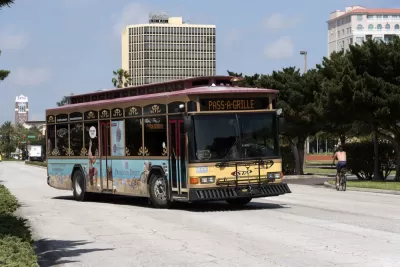
St. Petersburg, Florida, like other cities, saw its transit ridership plummet as ride-hailing companies became more popular in their community. But today, rather than simply competing, Pinellas Suncoast Transit Authority (PTSA) is also subsidizing ride-sharing and ride-hailing. "Since its 'Direct Connect' program launched in February 2016, PSTA has given $5 discounts on rides provided by Uber and a local taxi company (and, as of more recently, Lyft) to and from 24 popular bus stops in its service area to as many as 1,000 riders per month," Laura Bliss reports for CityLab.
This pattern has played out in cities around the country, where there are more than 25 programs like St. Petersuburg's around the country. But some worry about transit agencies sending funds and riders to ride-share. "These companies are notoriously protective of ridership data, which is a limitation for transit agencies trying to judge the success of these subsidy and tie-in programs," Bliss reports.
FULL STORY: Where Ride-Hailing and Transit Go Hand in Hand


Portland’s Uber, Lyft, Taxi Ridership is Slower to Recover Than Transit
Fewer Portland residents are calling ride-hailing services than before the pandemic.

There Goes the Neighborhood? The Trickle-Down Effect of High Ride-Hailing Prices
Low-cost Uber and Lyft services helped some neighborhoods thrive, making them more accessible. Now these same neighborhoods are feeling the pinch as high ride-hailing costs push customers to stay closer to home.
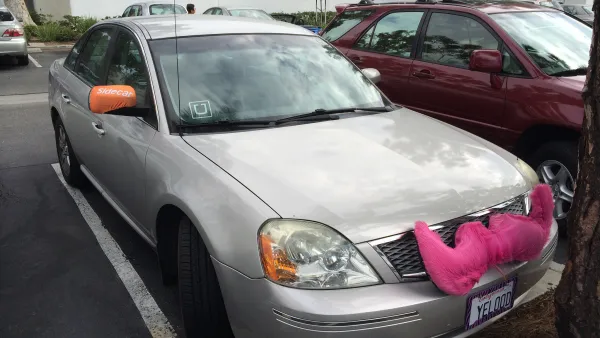
Study: Ride-Sharing Increases Urban Congestion
New research shows that ride sharing contributes to increased congestion and decreased transit ridership.

Planetizen Federal Action Tracker
A weekly monitor of how Trump’s orders and actions are impacting planners and planning in America.

The state-sanctioned urbicide of Austin
People don’t kill cities. Freeways do.

US to reduce Colorado River water deliveries to Mexico
A new Colorado Treaty amendment reduces Mexico’s Colorado River water allocation by 250,000 acre feet.

5 New England states march closer to 800 megawatt wind energy project
Securing federal approval for the project may be complicated under the Trump administration, which has historically been hostile towards domestic wind power.

Baltimore to break ground on $50 million Transit Priority Project
The project will bring faster bus trips, safer streets and better bike connections to Baltimore.

Airbnb launches $250 million 'last-dollar financing' housing accelerator, makes first investment in Austin
The company will put $6.4 million towards affordable housing development in Texas’ capital.

FREE Course: Walkable City 1: Why Walkability?
After describing his path towards focusing on walkability as the essence of good planning, Jeff Speck marches through his five principal reasons for making more walkable places.
Reinventing Malls: Planning Alchemy—Turning Gray Fields Into Gold
The course focuses on the opportunities and imperatives that shape reinvention of mall sites.

Eagle County Government
Harvard University Graduate School of Design
Nashville Planning Department
The Architects Foundation
University of Cincinnati Online
The Pocatello Development Authority
The Urban Renewal Agency of the City of Pocatello
Journal of the American Planning Association