Umair Irfan provides a post-mortem, of sorts, on the tenure of Scott Pruitt at the U.S. Environmental Protection Agency.


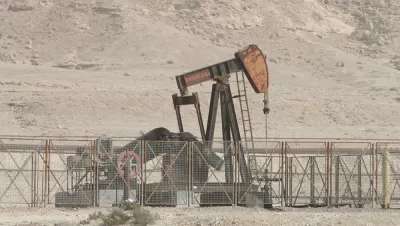
While environmentalists and pundits sounded alarms about the consequences of Pruitt's policies while at the EPA, some commentators have said the effect of his actions have been overstated.
Irfan's approach to the question of Pruitt's legacy in the federal government and for the planet earth is to consider the industries that most benefitted by his time in office.
But while making (or unmaking) environmental rules is a process that takes years, the industries that chafe most at EPA regulations — automakers, big farmers, coal barons, and chemical manufacturers among them — found plenty of opportunities to celebrate during Pruitt’s time in office. And these gains for industry come at the expense of the health of all of us, particularly the poor and minorities.
Irfan goes industry by industry, looking for Pruitt's fingerprints. Sections of the article examine gilder kit (new trucks built from salvaged engine parts) manufacturers, auto manufacturers, big agriculture, the chemicals industry, and fossil fuel companies. As a final note, Irfan warns that Pruitt's resignation is unlikely to slow the Trump Administration's environmental agenda.
FULL STORY: 5 polluting industries that won big from Scott Pruitt’s tenure at the EPA

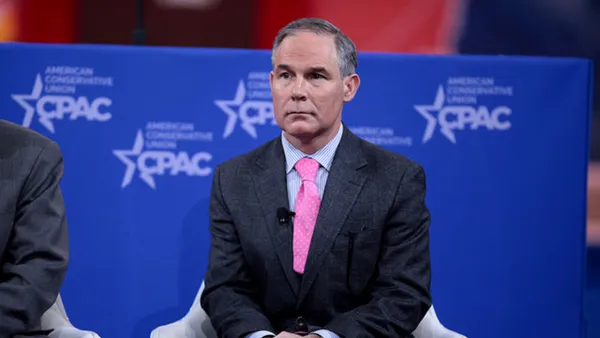
Scott Pruitt and the 'Paradigm Shift' at Trump's EPA
In just his first year, the high-profile and controversial cabinet member “has begun to dismantle former president Barack Obama’s environmental legacy.”
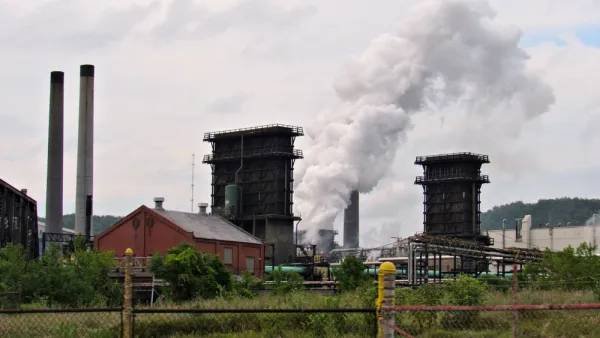
U.S. EPA To Reclassify Thousands of Major Polluters
The U.S. Environmental Protection Agency estimated its new rule change will result in up to 1,258 tons of additional emissions of hazardous materials every year.
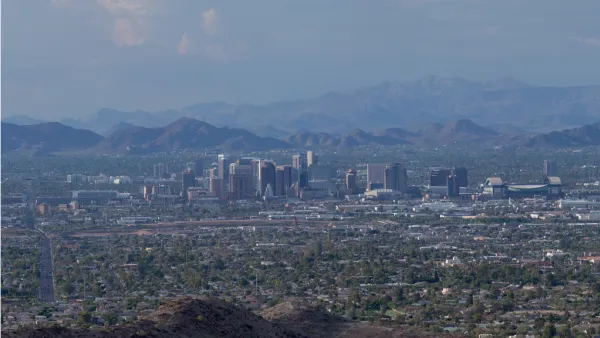
Arizona Environmental Agency Cutbacks Significant, Says Report
A new report says funding and staffing cuts at the state’s environmental protection agency could prevent it from adequately protecting public health and the environment.

Planetizen Federal Action Tracker
A weekly monitor of how Trump’s orders and actions are impacting planners and planning in America.

The state-sanctioned urbicide of Austin
People don’t kill cities. Freeways do.

US to reduce Colorado River water deliveries to Mexico
A new Colorado Treaty amendment reduces Mexico’s Colorado River water allocation by 250,000 acre feet.

Baltimore to break ground on $50 million Transit Priority Project
The project will bring faster bus trips, safer streets and better bike connections to Baltimore.

Airbnb launches $250 million 'last-dollar financing' housing accelerator, makes first investment in Austin
The company will put $6.4 million towards affordable housing development in Texas’ capital.

Guerilla urbanists are building DIY bus stop benches in Chicago
A before-and-after of one of the bus stops with a new bench. The new benches are not officially sanctioned or permitted, but the residents who placed them hope they will be the start of a network of DIY benches across the city.

FREE Course: Walkable City 1: Why Walkability?
After describing his path towards focusing on walkability as the essence of good planning, Jeff Speck marches through his five principal reasons for making more walkable places.
Reinventing Malls: Planning Alchemy—Turning Gray Fields Into Gold
The course focuses on the opportunities and imperatives that shape reinvention of mall sites.

Eagle County Government
Harvard University Graduate School of Design
Nashville Planning Department
The Architects Foundation
University of Cincinnati Online
The Pocatello Development Authority
The Urban Renewal Agency of the City of Pocatello
Journal of the American Planning Association