The U.S. has become a "landlord nation," says Redfin CEO Glenn Kelman. His analysis: fiercely-defended restrictive local zoning laws have cut off supply, dividing those who own from those who rent.



In a call with analysts, Nat Levy writes, Redfin CEO Glenn Kelman lamented America's housing supply problem. "No matter what we do to deliver more value to customers, the fundamental problem is that there aren't enough homes to buy," Kelman said.
Especially in popular coastal markets, "Housing inventory is so low right now that Kelman and Redfin now view availability as the number one driver of the housing market. The stock market, wages, interest rates — none of these metrics matter as much as the fact there are no homes for anyone to buy."
Kelman cites restrictive local zoning as the causal factor here: "These laws, supported on the left and right are fiercely defended by well-meaning neighborhood associations that have sometimes started to act as a cartel to limit housing supply and keep prices high [...]"
He goes on, "It's these laws, not market forces, that prevent builders from replacing parking lots, stripmalls and single-family homes with affordable high density condos and townhouses."
Read the full story: Redfin CEO Glenn Kelman sounds off on housing market, says U.S. has become a ‘landlord nation’

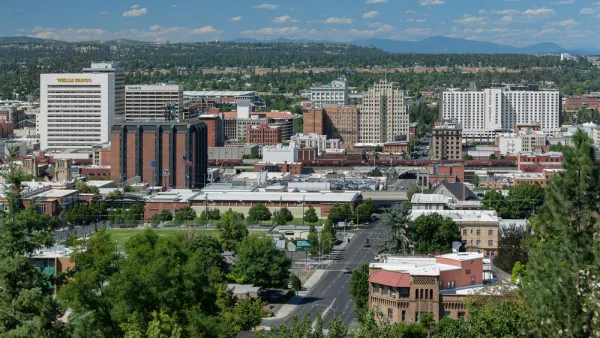
Housing Affordability Crisis Spreading to More Cities
Cities like Spokane, Washington courted new residents and businesses during the pandemic. Now, they're starting to wonder if it was worth it.

Oklahoma has Over 200,000 Vacant Homes. None are Affordable to Low-income Families.
The state faces a shortage of over 80,000 rental units for extremely low-income households while hundreds of thousands of vacant units face financial or legal barriers to restoration.
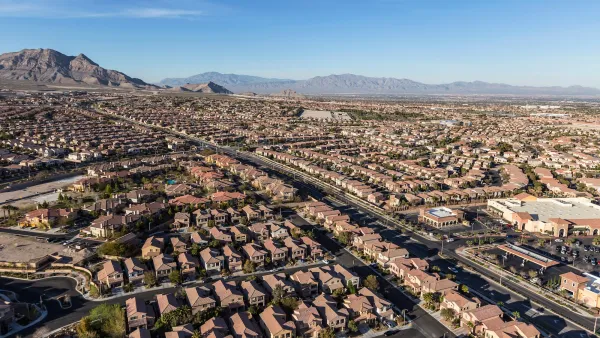
Nevada is no Longer a Haven of Housing Affordability
Large investors own 11 percent of single-family rentals in Las Vegas — far above the national average of 3 percent.

Planetizen Federal Action Tracker
A weekly monitor of how Trump’s orders and actions are impacting planners and planning in America.

California plans to bury El Niño’s downpour
If the state plays its cards right, it may be able to store a billion acre-feet of El Niño’s water in aquifers.

Desperate measures: Advocates weigh draining Lake Powell to fill Colorado River
Draining the reservoir could reduce evaporation losses by a couple hundred thousand acre-feet.

California city breaks ground on transit connector
The project includes three mobility hubs and a pedestrian bridge.

After public outcry, Massachusetts city releases housing development tracker
Cambridge’s tracker currently shows 250 housing projects in various stages of development.

40 years after approval, Chicago breaks ground on new park
The park honors Jean Baptiste Point du Sable, the city’s first permanent non-native settler.

FREE Course: Walkable City 1: Why Walkability?
After describing his path towards focusing on walkability as the essence of good planning, Jeff Speck marches through his five principal reasons for making more walkable places.
Reinventing Malls: Planning Alchemy—Turning Gray Fields Into Gold
The course focuses on the opportunities and imperatives that shape reinvention of mall sites.

City of Rosemead
Rutgers University, Edward J. Bloustein School of Planning and Public Policy
One Hundred Miles
Hunter College, City University of New York (CUNY)
The Architects Foundation
University of Cincinnati Online
City of Cambridge
Montrose County
The Pocatello Development Authority