A prominent conservative with an infamous name is promoting single-family home development in the Toronto greenbelt as a way to release pressure on the Toronto housing market.


Progressive Conservative party leader Doug Ford, the brother of the infamous former mayor of Toronto Rob Ford, is running for premier of Ontario, establishing himself as the antithesis of Canadian Prime Minister Justin Trudeau and reminding observers of President Trump.
Ford was recorded speaking about his position on the Toronto Greenbelt at an event at the end of April, saying the following:
We will open up the Greenbelt, not all of it, we’re going to open a big chunk of it up and we’re going to start building and making it more affordable and putting more houses out there.
When asked later to clarify his comments, Ford said any land developed in the current Greenbelt would be replaced.
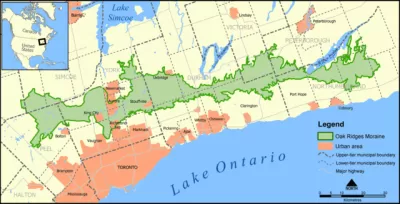
"The Greenbelt covers 325 km from the Oak Ridges Moraine to the Niagara River, and was protected in legislation by the Ontario Liberal government in 2005 as a natural buffer against urban sprawl," according to an article by Antonella Artuso.
Wendell Cox penned an opinion piece for the Financial Post expressing support for Ford's idea to develop single-family homes in the Greenbelt.
FULL STORY: Open up Greenbelt to housing, Doug Ford says

Auditor: Toronto Greenbelt Changes Favored Developers
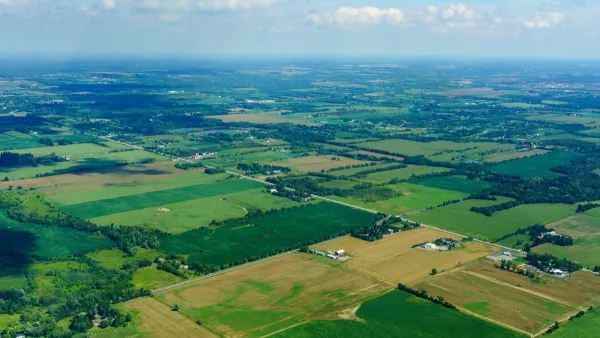
A series of hasty removals of land from the protected Greenbelt last year were pushed through without environmental or financial analysis.
In Reversal, Ontario Government Could Open Toronto Greenbelt to Development
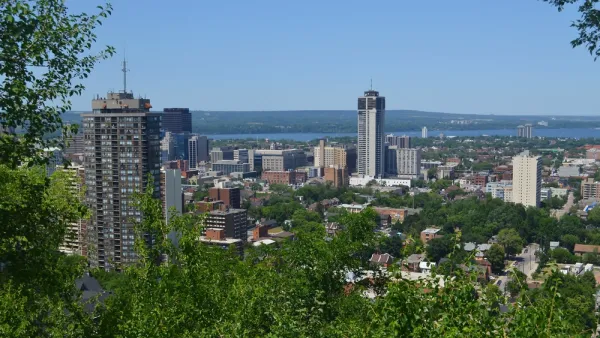
The Toronto Greenbelt was an urban growth boundary created in 2005 as one of the most obvious political victories for the Smart Growth movement in North America. A new bill would reverse course on the region’s growth policies.
Growth Plan Debate Heats Up in Toronto
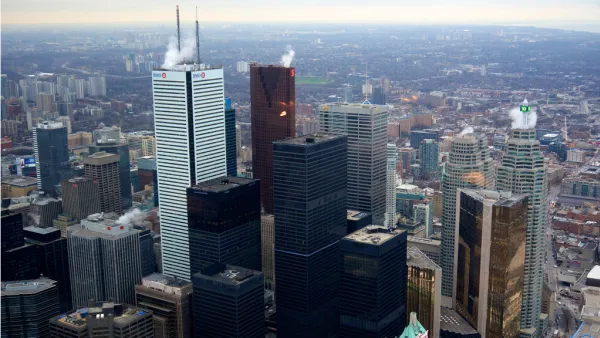
The question of how and where to grow is causing controversy in Toronto. A recent op-ed picks a side.

The state-sanctioned urbicide of Austin
People don’t kill cities. Freeways do.

US to reduce Colorado River water deliveries to Mexico
A new Colorado Treaty amendment reduces Mexico’s Colorado River water allocation by 250,000 acre feet.

New Jersey’s second-largest city bans standalone data centers
Jersey City will continue to allow co-location facilities, such as those meant for research institutions that store their own data.

Amtrak not solely to blame for New Jersey commuter rail's unreliability, report finds
A new study from the Garden State Initiative found that NJ Transit’s budget grew 20% across a 4 year period, but reliability declined significantly over the same period.

EPA erases limits on planet-warming pollution from power plants
Under Monday’s plan, power plants would still have some limits on how much mercury, arsenic and other contaminants they can emit.

Phoenix announces new on-demand transit service, more frequent RAPID buses
Both new services will launch in October, and are part of Phoenix's Project Effective Access Solutions for Easing Congestion.

FREE Course: Walkable City 1: Why Walkability?
After describing his path towards focusing on walkability as the essence of good planning, Jeff Speck marches through his five principal reasons for making more walkable places.
Reinventing Malls: Planning Alchemy—Turning Gray Fields Into Gold
The course focuses on the opportunities and imperatives that shape reinvention of mall sites.


Eagle County Government
Harvard University Graduate School of Design
Nashville Planning Department
The Architects Foundation
University of Cincinnati Online
The Pocatello Development Authority
The Urban Renewal Agency of the City of Pocatello
Journal of the American Planning Association