Faced with a costly urban heat island effect, Louisville is working on a new tree-protection ordinance that could be headed for a vote this week.


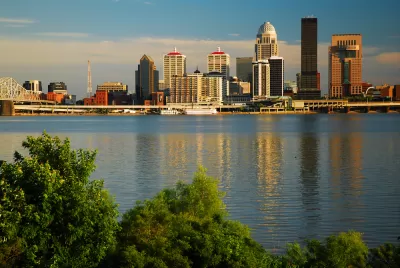
Louisville is nearing the finish line on a new tree-protection ordinance a year after starting work on the project and several more years of debate.
"What started out three years ago as a call for a no-let-loss [sic] tree policy for Louisville by a now disbanded mayoral advisory commission now strictly focuses on protecting trees planted in Louisville Metro public rights of way," according to an article by James Bruggers.
Among the specific provisions of the tree-protection ordinance, according to Bruggers, are provisions that property owners abutting city-owned rights-of-way must maintain trees and receive permits for removal. The ordinance would also establish a tree advisory commission and create an urban forestry division within the metro government.
"The ordinance would do nothing to address the loss of trees on private property during land development," adds Bruggers. As previously reported by Planetizen, a 2013 study found that Louisville has the worst urban heat island effect of any city in the United States, and the tree-protection ordinance is a component of the city's response.
FULL STORY: Louisville may require homeowners to replace lost street trees

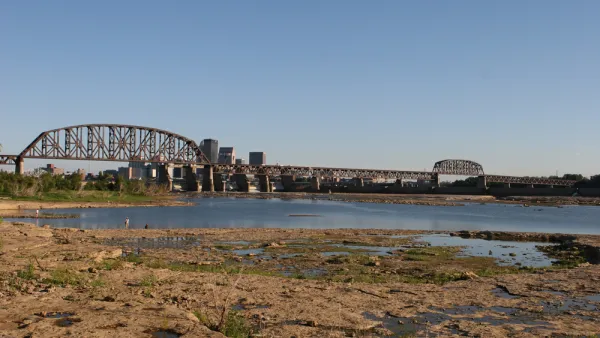
Louisville Gearing Up to Tackle its Urban Heat Island Problem
Louisville has the ignominious distinction of having the largest heat island effect of any of the largest cities in the United States. A new study from the Urban Climate Lab at Georgia Tech suggests ideas for lowering the heat in the city.
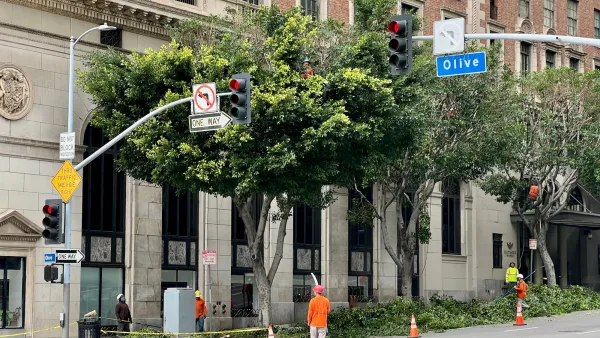
LA’s Tree Canopy is Nearing a ‘Point of Failure’
Calls to 311 for “tree emergencies” are rising, endangering a resource that helps bring down urban temperatures and reduce air pollution.
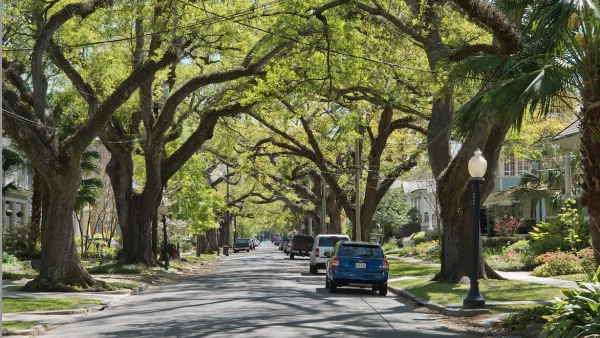
Green Infrastructure Thinking for Southern Cities in 2022 and Beyond
Resilience planning requires communities to think of a well planned and maintained tree canopy as a public utility system with multiple benefits.

The state-sanctioned urbicide of Austin
People don’t kill cities. Freeways do.

US to reduce Colorado River water deliveries to Mexico
A new Colorado Treaty amendment reduces Mexico’s Colorado River water allocation by 250,000 acre feet.

New Jersey’s second-largest city bans standalone data centers
Jersey City will continue to allow co-location facilities, such as those meant for research institutions that store their own data.

Amtrak not solely to blame for New Jersey commuter rail's unreliability, report finds
A new study from the Garden State Initiative found that NJ Transit’s budget grew 20% across a 4 year period, but reliability declined significantly over the same period.

EPA erases limits on planet-warming pollution from power plants
Under Monday’s plan, power plants would still have some limits on how much mercury, arsenic and other contaminants they can emit.

Phoenix announces new on-demand transit service, more frequent RAPID buses
Both new services will launch in October, and are part of Phoenix's Project Effective Access Solutions for Easing Congestion.

FREE Course: Walkable City 1: Why Walkability?
After describing his path towards focusing on walkability as the essence of good planning, Jeff Speck marches through his five principal reasons for making more walkable places.
Reinventing Malls: Planning Alchemy—Turning Gray Fields Into Gold
The course focuses on the opportunities and imperatives that shape reinvention of mall sites.

Eagle County Government
Harvard University Graduate School of Design
Nashville Planning Department
The Architects Foundation
University of Cincinnati Online
The Pocatello Development Authority
The Urban Renewal Agency of the City of Pocatello
Journal of the American Planning Association