This piece from Miller-McCune looks at the conservation easement and explains how the legal device is being used to protect land and prevent sprawl.


According to this article, the number of land trusts increased 32% between 2000 and 2005. Many expect that trend to continue due to this recession.
"This legal device makes good use of the dictum that says you have to give something to get something - in return for losing potential profit by preserving natural features, the landowner gets a tax break.
These easements are usually between a private landowner and a public or government agency that restricts the amount and type of development and protects the property's natural resources in perpetuity.
It's not a new concept. Thomas Tyner, regional counsel for the Northwest and Rocky Mountain region of the Trust for Public Land in Seattle, says the first conservation easement occurred in New England around the mid- to late 1800s."
FULL STORY: Earth to Stand on — Conservation Easements

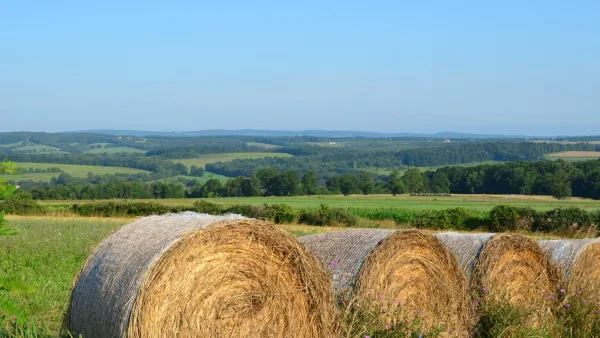
Conservation Easement Program Protects 100,000 Acres of Agricultural Land in New York State
A state famous for its largest city is making a concerted effort to protect agricultural lands as part of a larger national push.
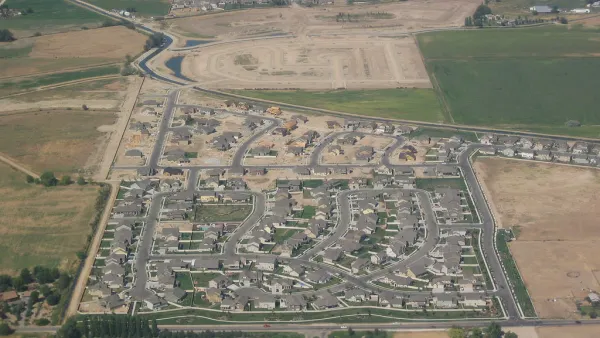
Farmland Preservation a Hot Topic in Idaho's Most Populous County
As the city of Boise and surrounding communities in Ada County, Idaho continue to grow and sprawl outward, agricultural land in the county may become a thing of the past.
Land Conservation Increasing in Spite of Recession
Land trust have been able to increase their holds during the last five years. Lower land prices and conservation easements on working ranches and farms have enabled greater conservation efforts.

The state-sanctioned urbicide of Austin
People don’t kill cities. Freeways do.

US to reduce Colorado River water deliveries to Mexico
A new Colorado Treaty amendment reduces Mexico’s Colorado River water allocation by 250,000 acre feet.

New Jersey’s second-largest city bans standalone data centers
Jersey City will continue to allow co-location facilities, such as those meant for research institutions that store their own data.

Amtrak not solely to blame for New Jersey commuter rail's unreliability, report finds
A new study from the Garden State Initiative found that NJ Transit’s budget grew 20% across a 4 year period, but reliability declined significantly over the same period.

EPA erases limits on planet-warming pollution from power plants
Under Monday’s plan, power plants would still have some limits on how much mercury, arsenic and other contaminants they can emit.

Phoenix announces new on-demand transit service, more frequent RAPID buses
Both new services will launch in October, and are part of Phoenix's Project Effective Access Solutions for Easing Congestion.

FREE Course: Walkable City 1: Why Walkability?
After describing his path towards focusing on walkability as the essence of good planning, Jeff Speck marches through his five principal reasons for making more walkable places.
Reinventing Malls: Planning Alchemy—Turning Gray Fields Into Gold
The course focuses on the opportunities and imperatives that shape reinvention of mall sites.

Eagle County Government
Harvard University Graduate School of Design
Nashville Planning Department
The Architects Foundation
University of Cincinnati Online
The Pocatello Development Authority
The Urban Renewal Agency of the City of Pocatello
Journal of the American Planning Association