Land Use
Lessons for Building a Better City After a Devastating Disaster
With climate change producing more extreme weather, the likelihood of a natural disaster impacting the world's cities is on the rise. New members of the 'disaster club' can look to these three places for lessons for turning tragedy into opportunity.
Mass Deaths Indicate Marine Ecosystem in Distress
The deaths of hundreds of pelicans, dolphins and manatees across Florida's Indian River estuary - 'one of the richest marine ecosystems in the continental United States' - have scientists concerned, and wondering if rapid urbanization is to blame.
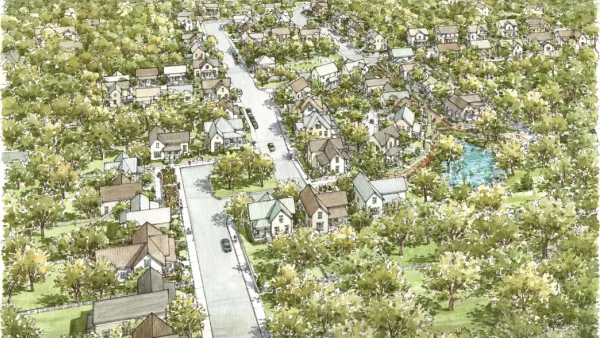
Striving for Attainable Infill Housing in Arkansas
Willow Bend is a new, nonprofit development planned for an ecologically rich, 7.6-acre infill site in the Walker Park neighborhood of Fayetteville, Arkansas. The project is envisioned as a replicable model of sustainable and attainable housing.
Can Biking Build a Bridge to Transit in Birmingham?
Urban areas across the country have identified bikes as a fat-burning, congesting-decreasing, transit-supporting alternative to automobiles. And Birmingham – despite a need for all these benefits – has lagged tremendously behind.
Play Dismay: Traffic and the Epidemic of Cloistered Children
Sarah Goodyear examines the connection between the way we design our streets and the reluctance of parents to let their children play outdoors.
Ft. Belvoir a Model for U.S. Military's Mixed-Use Mission
As the U.S. military infuses smart growth principles into the planning for its bases, leaders can learn from one facility located south of Washington, DC that's been able to accommodate dramatic growth with smart planning and innovative initiatives.
Home Builders Sow Seeds for Urban Agriculture
In the Stapleton neighborhood of Denver, developer Forest City has recognized the growing interest in urban gardening by partnering with The Urban Farm Company to offer ready-made raised-bed gardens to homebuyers.
Libertarian Foundation Uses CEQA to Litigate 'Plan Bay Area'
The group, Bay Area Citizens, worried about loss of property values and quality of life, will be represented by the libertarian Pacific Legal Foundation, which will use CEQA as the basis of the lawsuit against regional agencies MTC and ABAG.
Chicago Planning Meeting Turns Against Cyclists, Walkability
This week, the Illinois DOT kicked off a set of public meetings to "redefine" Chicago's Lake Shore Drive. At the first meeting, a decidedly pro-car and anti-bicyclist sentiment crept into the comments.
Are Stadiums Akin to Museums and Libraries?
As D.C. debates the value of subsidizing the construction of a soccer stadium on a site in Buzzard Point, Dan Malouff argues that such facilities should be judged as cultural amenities, rather than business investments.
From Big Apple to Big Kahuna: Plan for East River Beach Catches a Break
Could the Hamptons have a new rival for New Yorkers seeking a little fun in the sun? With $7 million allocated, plans to transform Lower Manhattan's desolate, trash-strewn waterfront into a 'premier staycation destination' are moving forward.
Britain's 'New Towns' Offer Lessons for Addressing Country's Housing Shortage
The mixed successes of Britain's post-war 'new town' and 'expanded town' developments offer some valuable lessons for those seeking to solve the country's acute housing shortage.
Not All Is Verdant and Rosy With S.F.'s Parklets
The removal of a parklet that had been criticized as 'a haven for homelessness and illegal activity' reflects some of the growing pains experienced by San Francisco as it's sought to encourage the conversion of on-street parking into public spaces.
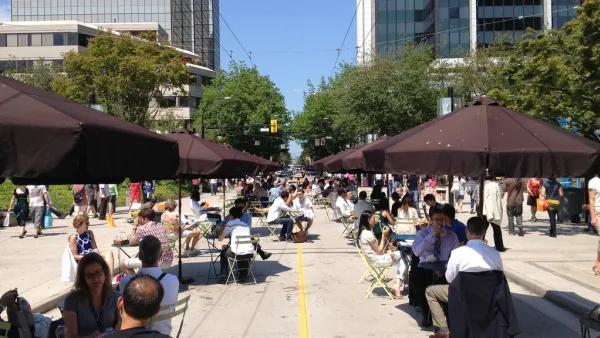
How Did Vancouver Decrease its Traffic While Growing its Population?
With its elegant skyline, walkable streets and stunning parks, Vancouver exemplifies great city-making. Add to the list of achievements the city's ability to reduce traffic by 20 to 30 percent since 2006 while growing its population by 4.5 percent.
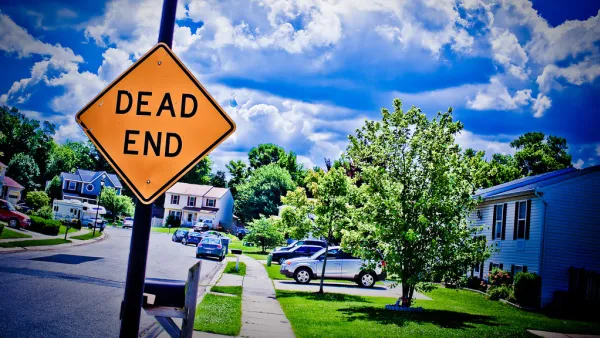
Suburban Sprawl Reaches the End of the Cul-de-Sac
The Washington Post speaks with Leigh Gallagher, author the new book “The End of the Suburbs”, about the decline of America's suburbs, models for suburban reinvention, and the correlation between neighborhood form and health and happiness.
The Positive Energy Potential of Suburban Sprawl
What if most cars were electrics, most electricity was generated locally, and new development was required to have solar? Would this paradigm make sprawl more energy sustainable than compact growth? A new paper argues yes.
Pop-Ups Show Promise and Peril of Modern City-Building
The temporary projects that enliven Britain's derelict and overlooked urban spaces offer a taste of the power of transformative placemaking. But they come hand in hand with increasing consolidation and homogenization in the architecture field.
To Sustain Success, Nashville Area Must Think Regionally
Two decades of phenomenal growth have transformed Nashville into 'one of America’s hottest success stories.' In an op-ed for The Tennessean, Bill Freeman argues that for the area to continue to grow wisely it will need to embrace regional planning.
A Look at Roads Not Taken Provides Path for L.A.'s More Public-Minded Future
A new exhibition of the bold designs that were never executed in Los Angeles provides lessons for today's leaders and planners. By imagining a more public-minded path for Los Angeles, it provides the impetus for creating such a future.
Urban Revivals Give Hope to Detroit Emergency Manager
In an interview with The Wall Street Journal, emergency manager Kevyn Orr explains how his own experiences living in once-derelict, now-thriving cities leave him optimistic about Detroit's revival.

FREE Course: Walkable City 1: Why Walkability?
After describing his path towards focusing on walkability as the essence of good planning, Jeff Speck marches through his five principal reasons for making more walkable places.
Reinventing Malls: Planning Alchemy—Turning Gray Fields Into Gold
The course focuses on the opportunities and imperatives that shape reinvention of mall sites.

City of Rosemead
Rutgers University, Edward J. Bloustein School of Planning and Public Policy
One Hundred Miles
University of Michigan School for Environment and Sustainability (SEAS)
Hunter College, City University of New York (CUNY)
The Architects Foundation
City of Cambridge
Montrose County
The Pocatello Development Authority









