Land Use
The Massive Redevelopment Plans for North St. Louis Failed—What Next?
Detroit has Dan Gilbert, and for a few years, it looked like St. Louis had Paul McKee. Now that McKee's massive plans for the redevelopment of North St. Louis have failed expectations, what has been lost and what, potentially, can still be gained?
Happy Hour Anyone? Mapping Liquor Licenses and Crime in Dallas
Questions of how to regulate the sale of alcohol, how to enforce public intoxication, and whether or not alcohol leads to crime can quickly divide communities into factions. So what evidence exists to help cities answer these questions?
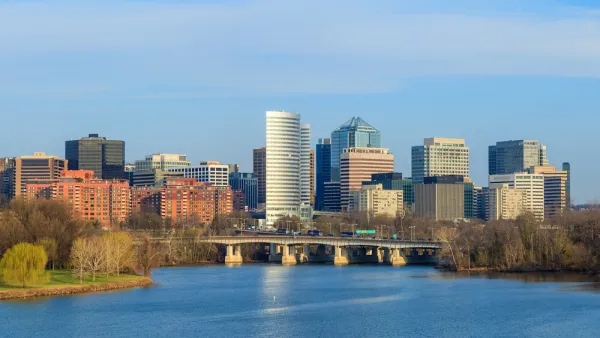
What the New Census Data Reveals About the Urban Suburban Divide
Newly released population data provides entre for a discussion about the nature of cities.

75 Cities Ranked by ParkScore 2015
The Trust for Public Land released its 2015 ParkScore today, ranking the 75 largest U.S. cities on the metrics of acreage, facilities and investment, and access.
Obama Administration Policy Announced to Protect Honeybee Habitat
At scale, the secret life of bees provides $15 billion in benefits to the country's agriculture industry each year.

It's Time to Talk About National Minimum Urban Density Standards
What would a policy that requires development to make more efficient use of land and resources (like water, for instance) look like?
Google's Loss is LinkedIn's Gain in Silicon Valley
The city of Mountain View chose to allot most of the redevelopment rights in its much sought-after North Bayshore area not to the city's largest employer and taxpayer but to LinkedIn's more conventional proposal.
'General Welfare' for the Next Generation
The "health, safety, and general welfare" of our communities are poorly served by the outcomes of the status quo.
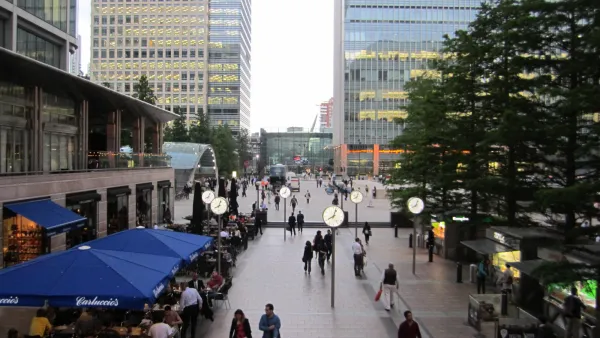
On the Creative Neighborhood's Two Basic Forms
Richard Florida discusses a study comparing the neighborhoods that house "creative" industries. Science and tech tends to favor low-density office parks, while arts and cultural industries prefer mixed-use urban districts.
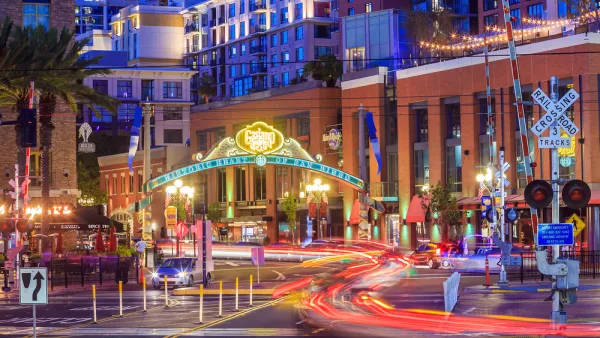
Stiff Opposition to San Diego Mixed-Use Mega-Project
In February, the city council approved One Paseo, a 1.4 million-square-foot mix of offices, residences, retail, and entertainment. The project's detractors have forced a referendum, putting a kink in San Diego's urbanist planning ambitions.
7 Lessons in Park Planning from the APA National Conference
What’s new in environmental planning, the value of multi-functional urban parks, and the importance of providing open spaces for an aging population discussed at a recent conference stood out to planner Clement Lau.
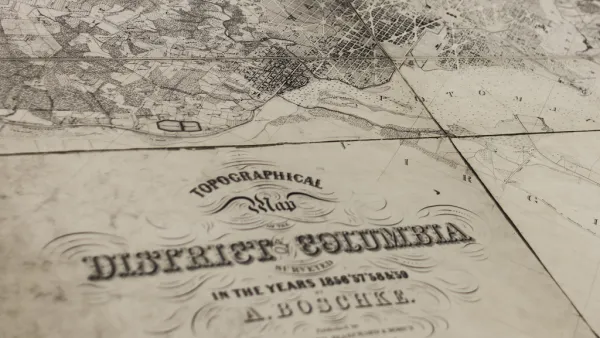
USGS Map Archive Now Easily Accessible
The U.S. Geological Survey has introduced topoView, an intuitive map-based tool making it far simpler to search and access its archive of 178,000 topographical maps dating from 1880 to 2010.
Controversial Wyoming Law Prohibits Data Collection on Open Lands
It might take a law degree to separate fact and fiction about the law, but Wyoming has gone to new lengths to limit the access of researchers, including Jane and John Q Public, to data found in open spaces.
A New Approach to Flood Control Makes 'Room for the River'
A radical approach to flood control in the Netherlands will expand the flood plain of the River Waal while also creating new neighborhoods where people can live and work.
Open Space Preservation Creates Rift Between Local, County Officials
Local officials in Lake County, located north of Chicago, are concerned about the revenue implications of a decision to preserve a parcel of land they view as a potential commercial development.
How Regulatory Changes Facilitate Transit Oriented Development
Darnell Grisby makes the case for focusing on ridership and boardings (rather than travel time) and clarifying joint development rules to better facilitate transit oriented development and transit oriented communities.
Boston Launching First Comprehensive Plan Since 1965
Better architecture has been a consistent theme of the tenure of Boston Mayor Marty Walsh. The city's first comprehensive plan since 1965 could be the key tool in producing the desired results.

Walkability 'Growing Pains' in Los Angeles
By many estimates, a city known for its pedestrian unfriendliness is developing pockets of local walkability. Minor disputes over pedestrian rights may add up to something bigger.

On the Pros and Cons of Driveways
Whether driveways are anti-urban or 'anti-pedestrian' depends on how we segregate street uses. As shared spaces where they cross sidewalks, driveways inform the wider question: what makes for a good street?

What Droughts Say About Planners and Water Officials
When water policy and land use planning operate in separate spheres, it's more difficult to design for efficient resource use. Better communication is needed in the drought-stricken southwest.

FREE Course: Walkable City 1: Why Walkability?
After describing his path towards focusing on walkability as the essence of good planning, Jeff Speck marches through his five principal reasons for making more walkable places.
Reinventing Malls: Planning Alchemy—Turning Gray Fields Into Gold
The course focuses on the opportunities and imperatives that shape reinvention of mall sites.

One Hundred Miles
County of Mendocino
planning NEXT
The Architects Foundation
University of Cincinnati Online
Montrose County
Northern Illinois Transit Authority (NITA)
The Pocatello Development Authority









