Government / Politics
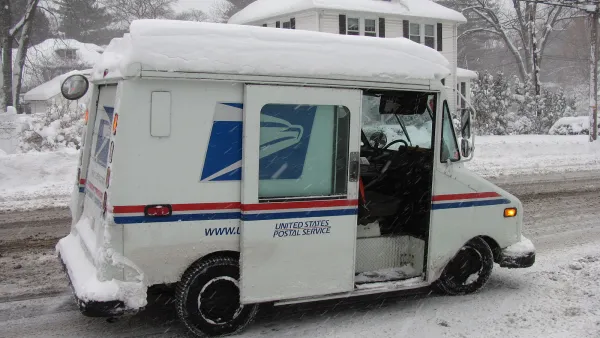
Sustainability Advocates Reject USPS Electrification Plan
Critics say the Postal Service's argument for its weak commitment to electrifying its vehicle fleet doesn't hold water.
The Built Environment in 2022: Challenges and Opportunities
As climate change, the pandemic, and a historic housing crisis continue to impact the nation, experts weigh in on the issues that could shape the future of the built environment in 2022.
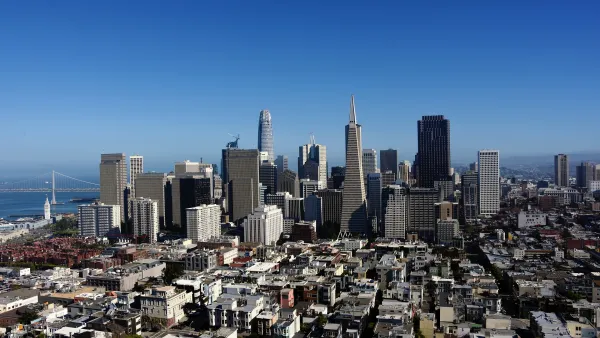
San Francisco's 1971 Urban Design Plan Echoes Today's Concerns
A 1971 effort to quantify the city's values and design goals reflects many of the same priorities that planners and residents face today.

California Governor Proposes Break on Gas Tax Hike
Governor Newsom has urged the state to give residents a 'gas tax holiday' by avoiding this summer's pending increase in the state's fuel tax.
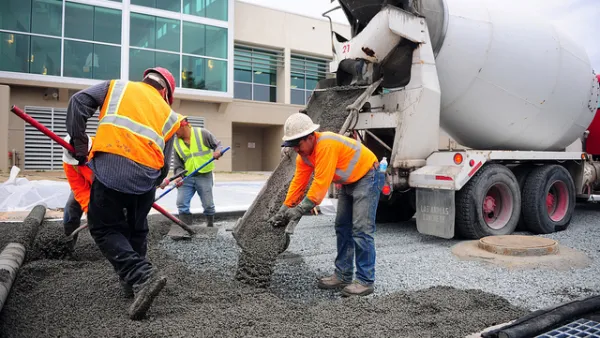
Small Communities Could Lose Out on Infrastructure Funding
Awarding federal funding via competitive grants could block grant opportunities for communities that need them the most.
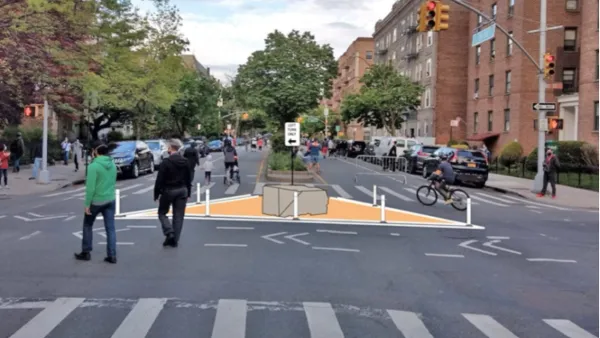
More Evidence That Open Streets Improve Safety
An analysis of New York's 34th Avenue shows substantial reductions in crashes and injuries, strengthening the body of evidence supporting car-free streets.
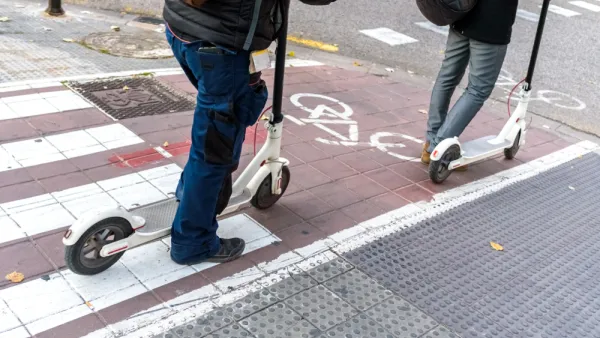
E-Scooter Helmet Laws Could Harm Ridership
Transportation experts warn that mandatory helmet laws for shared e-scooters could cripple the nascent industry and discourage casual rides.
Pandemic Endgame: Danish Epidemiologist's Prediction
Based on the results of a new study on the transmission of the Omicron variant in Denmark released by the Statens Serum Institut, Tyra Grove Krause, the institute's chief epidemiologist, said, "We will have our normal lives back in two months."

How Remote Work Could Reshape American Cities
If projections about remote work hold true, the resulting migration could shift economic centers, disperse housing market pressures, and transform the politics of small communities.
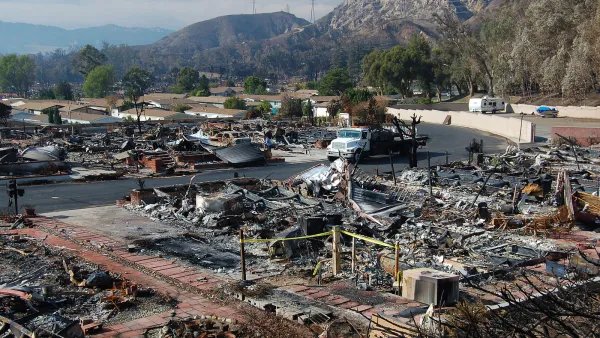
U.S. Communities Increasingly at Risk of Extreme Weather Events
As development pushes into more wildfire-prone areas and climate change makes extreme weather conditions more common, more Americans are experiencing the destructive impacts of climate disasters.
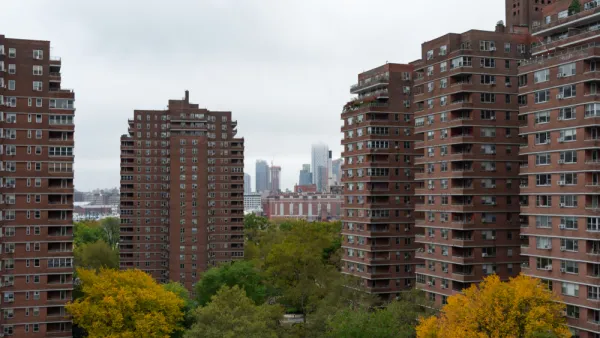
Private Developers to Renovate NYC Public Housing
A consortium of developers have secured a $600-million loan to renovate more than 1,600 units in the New York City Housing Authority's portfolio.
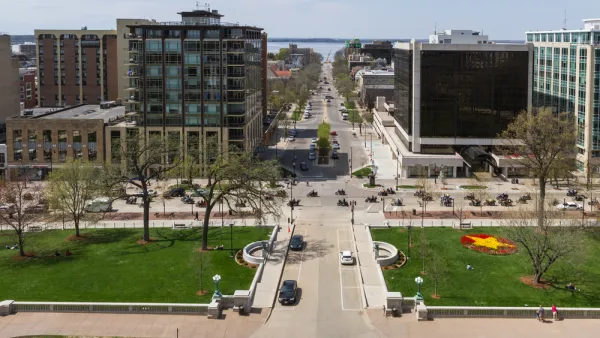
City Council Approves South Madison Housing Plan
A proposal to redevelop an area of South Madison with higher density and more housing options has drawn criticism from local residents who wanted to see more single-family housing included in the plan.

Delaware County Pauses Solar Applications In Response to Local Opposition
Large-scale solar developments face rising hostility from neighboring property owners who cite concerns about environmental degradation, reduced property values, and loss of farmland.
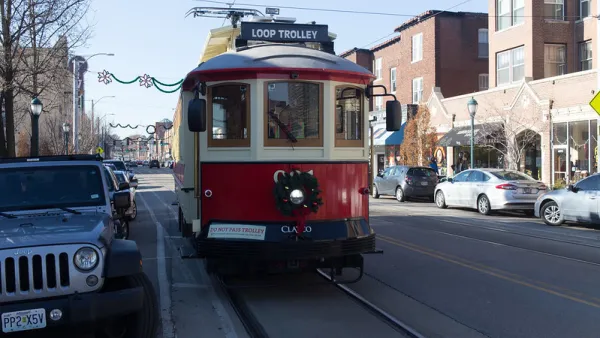
The Uncertain Future of the St. Louis Loop Trolley
St. Louis faces losing federal funds if the Loop Trolley remains defunct. But is the 2.2-mile line worth it?
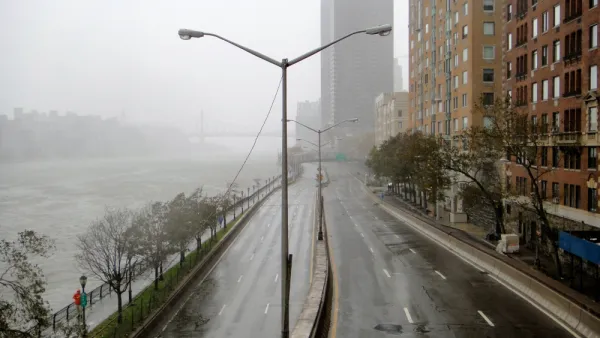
Saving Lower Manhattan
A debate over how to protect the East River waterfront from Sandy-level flooding and storm damage has delayed the project as community activists decry the city's last-minute change of plans.
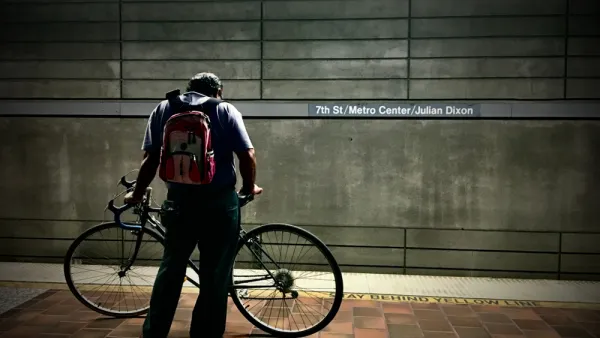
Equity Plus: Toward More Integrated Solutions
Many transportation equity strategies only address a small portion of the need. To be more effective, we need structural reforms that create more diverse and affordable transportation systems and more compact and multimodal communities.
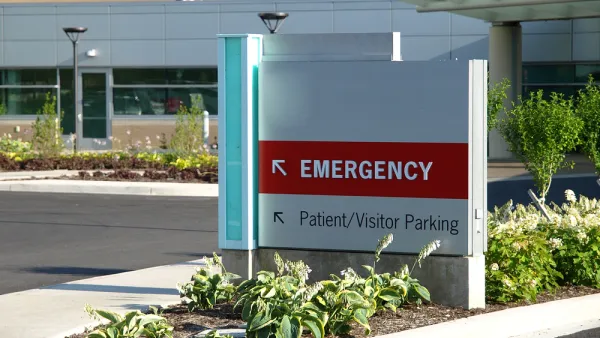
State Hospitalization Record Breaks as Omicron Surges
Infections from the Omicron variant, which early studies suggest cause less severe illness than the Delta variant, may be contributing to a record number of hospitalizations in Ohio, the highest since the start of the pandemic.
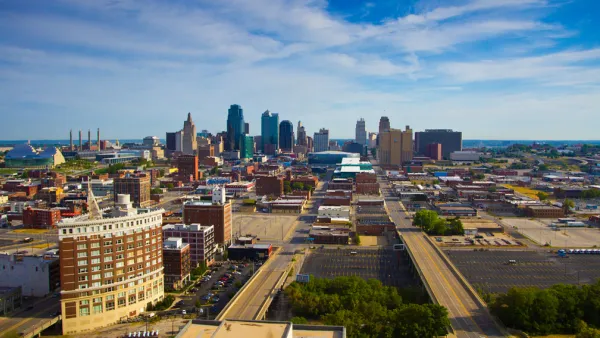
Bike Lanes Pitted Against Sidewalks in Kansas City
A proposed ordinance that would allow neighborhood associations to request removal of bike lanes has sparked a debate over how to prioritize bike and pedestrian infrastructure.
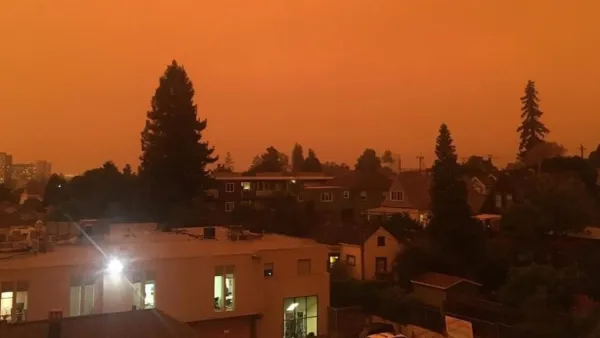
California Insurers Call for Pricing Based on 'Catastrophic Modeling'
Home insurers argue they should be able to base policy costs on modeling that accounts for future risks from climate change and overdevelopment.
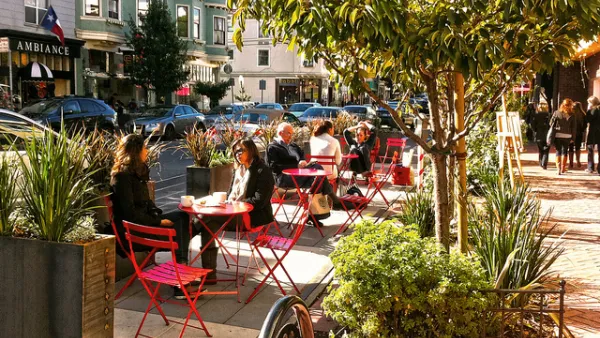
How the Pandemic Is Reshaping Cities
The social and economic upheaval of the last two years accelerated a shift in thinking about how we use public space and organize the urban realm.

FREE Course: Walkable City 1: Why Walkability?
After describing his path towards focusing on walkability as the essence of good planning, Jeff Speck marches through his five principal reasons for making more walkable places.
Reinventing Malls: Planning Alchemy—Turning Gray Fields Into Gold
The course focuses on the opportunities and imperatives that shape reinvention of mall sites.

City of Rosemead
Rutgers University, Edward J. Bloustein School of Planning and Public Policy
One Hundred Miles
University of Michigan School for Environment and Sustainability (SEAS)
Hunter College, City University of New York (CUNY)
The Architects Foundation
City of Cambridge
Montrose County
The Pocatello Development Authority









