Europe
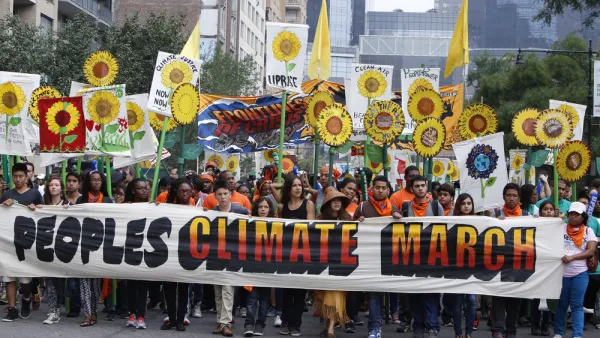
Climate Change Education to Be Compulsory in Italy
Critics of a plan to require Italian students to learn about climate change and sustainability say climate action can't wait for the next generation to come of age.
What Would Cities Look Like if They Were Designed by Women?
Cities are built by men, and so too often urban design does not reflect the needs, perspectives, and realities of women.

Just What the Planet Needs: More Oil Production
A surge of oil from four countries—Norway, Guyana, Canada and Brazil—will more than compensate for slowing growth of U.S. oil production. The new sources might cause oil prices to dip to $50 a barrel and slow the transition to electric vehicles.
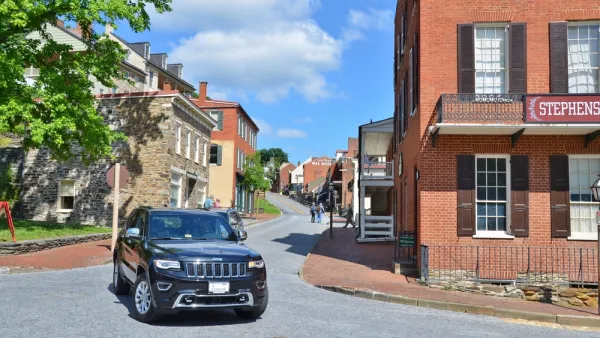
The Case for Banning SUVs
Global SUV ownership is skyrocketing, with consequences for carbon emissions and traffic safety. A few voices are now calling for bans on the large vehicles.
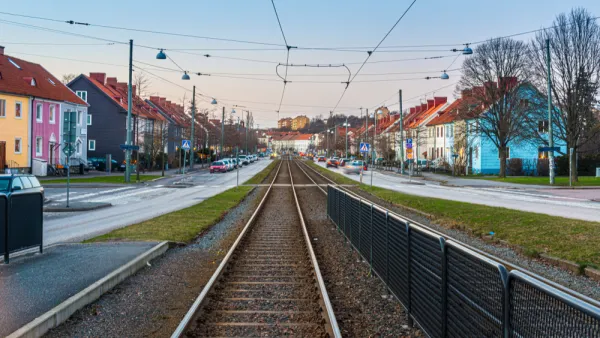
Free 'Test Rides' Win Transit Riders
The "Test Rides" program in Sweden is showing success in getting people to drive less and take transit more.
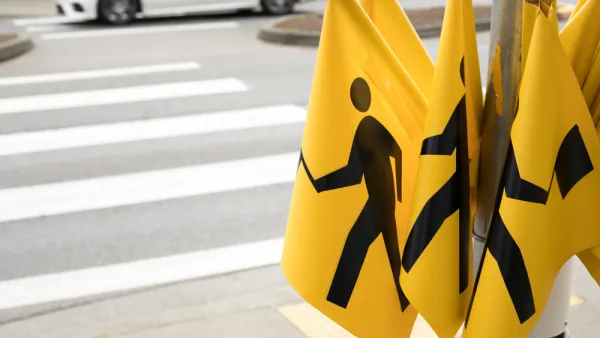
'Cars Are Death Machines'
Not one, not two, but three articles in the past week paint dire portraits of the world that cars have created.
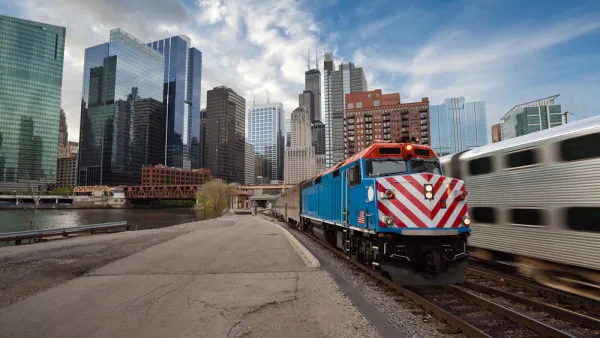
What's Hindering Regional Transportation in the U.S.?
Public transportation that serves regional areas makes sense, but the United States has been slow to pursue strategies and policies that foster these types of systems.
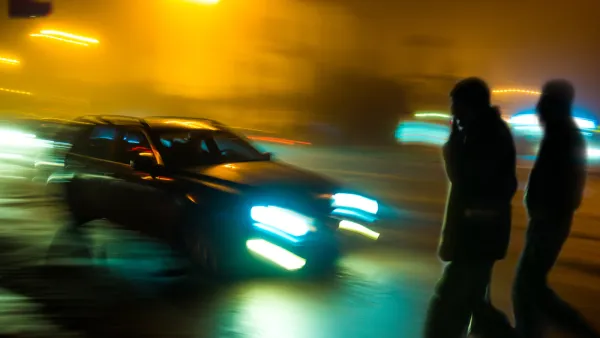
U.S. Lagging in Making Streets Safer for Pedestrians
Pedestrian deaths are on the rise in the United States, but cities have been slow to implement effective policies and road design measures to change the trend.
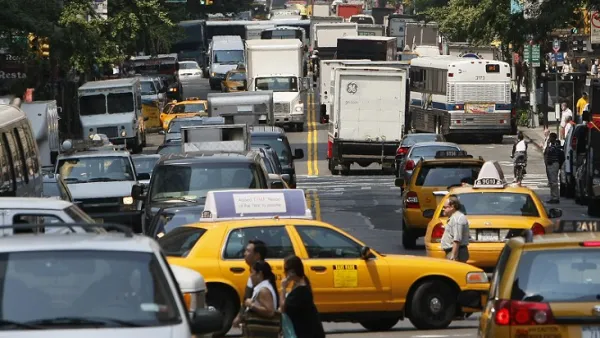
Cars Still Rule the Road. Is Change Possible?
The dominant narrative is that streets are for cars and infrastructure that accommodates driving is necessary for cities to grow. But cities ended up this way because of decisions that make other modes secondary.
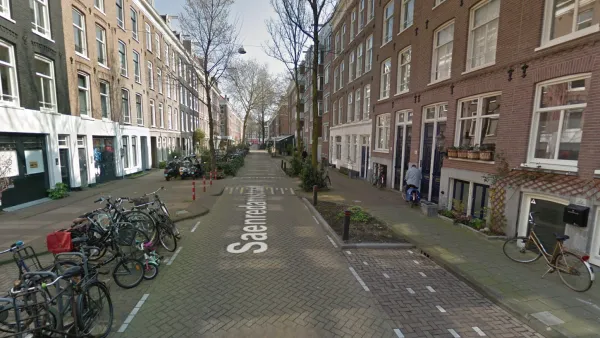
Watch What Happens When Parking Disappears From an Amsterdam Street
Eve Kessler shares news of a new film from Streetfilms that documents the efforts of a neighborhood in Amsterdam to activate a street liberated from parking.
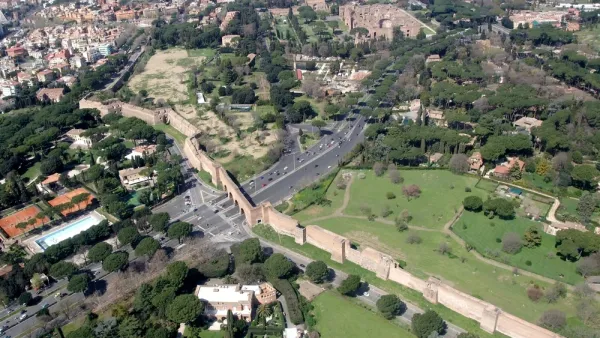
How Transportation Technology Determines the Footprint of Cities
The Marchetti Constant, the willingness of people to travel for about a half an hour to get to and from work, explains the size of cities in history, and the metropolitan areas of today.
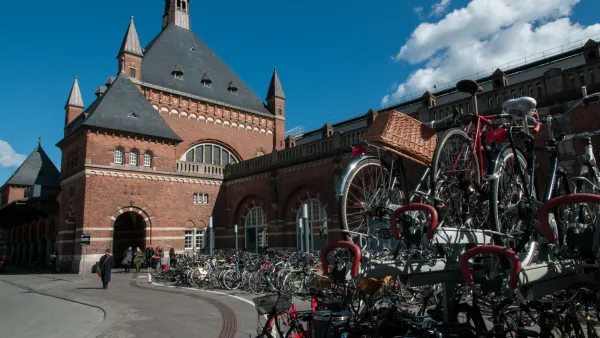
Copenhagen Strives to Be Carbon Neutral by 2025
The Danish capital has an ambitious goal to be the world’s greenest and most bike-friendly city, and it is taking big steps to make that happen soon.
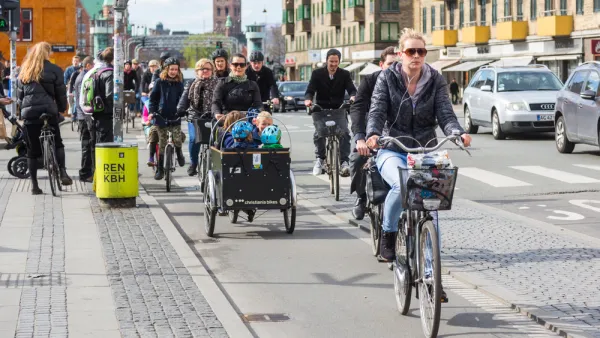
What's Behind Copenhagen's Success as a Cycling City?
Denmark's capital is a model city in terms of biking, but the reasons that bikes rule go beyond political leadership and robust infrastructure.
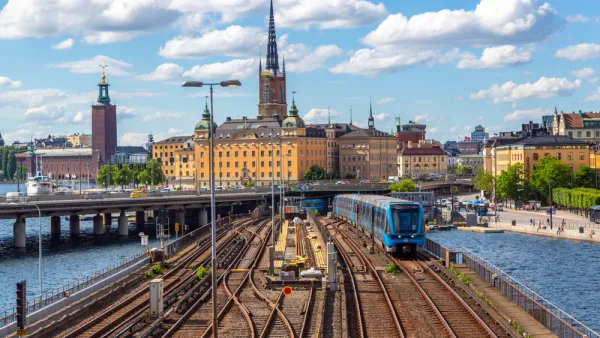
Train Travel Gains Popularity as 'Flight Shame' Trends in Europe
A greener life means fewer flights for many Europeans.
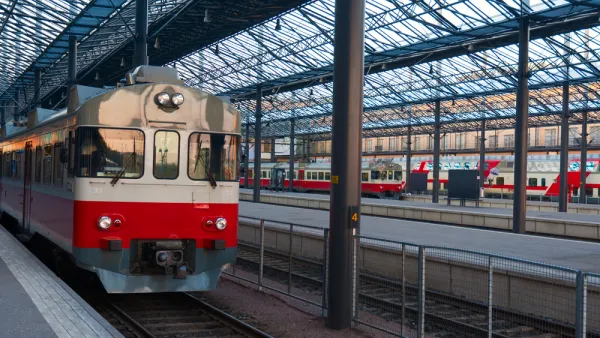
There's Still a Catch to Plans for the World's Largest Undersea Rail Tunnel
The country of Estonia is seeking more details on a plan to build the world's longest undersea rail tunnel between Helsinki and Tallinn.
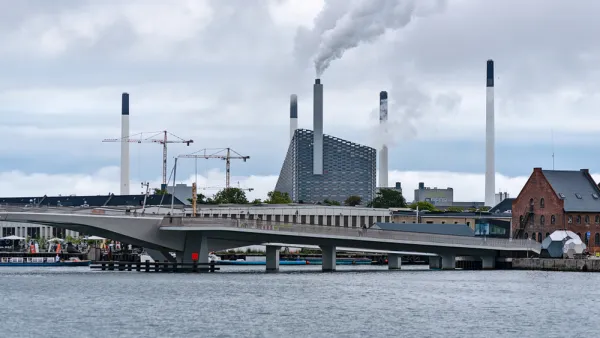
Denmark's Waste-to-Energy Plant: A Global Model of Sustainable Design
Bettina Kamuk, global market director for Ramboll, explains how a Copenhagen waste-to-energy facility meets air quality and emissions standards while providing low-carbon energy and recreational activity to the surrounding community.
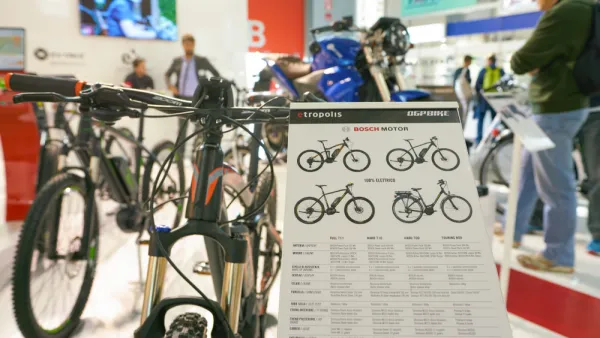
Study: E-Bikes Could Be Transportation Game Changers
A recent study out of Europe reveals the potential of electric-assist bikes (e-bikes) to transition mobility away from cars.
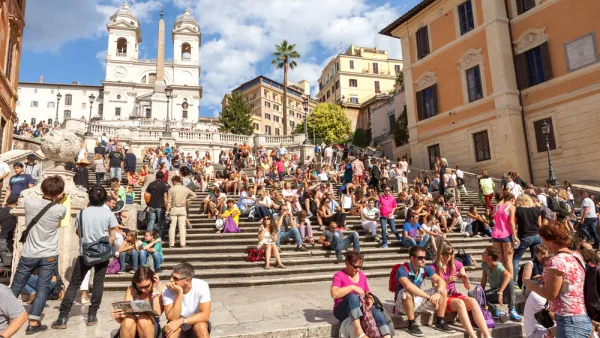
Denied: No Sitting on Rome's Spanish Steps
Rome's Spanish Steps are no longer a place for sitting.
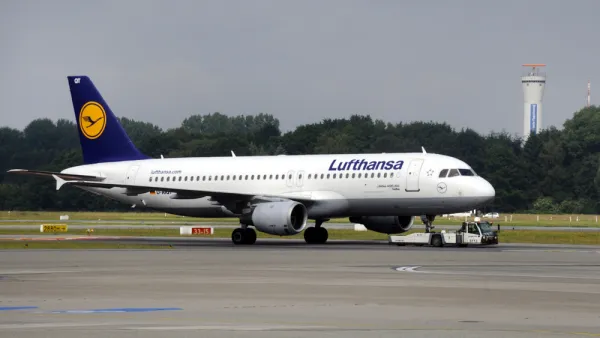
German Greens Want Domestic Air Travel to Be Obsolete by 2035
Alliance 90/The Greens, a political party in Germany, wants the country's domestic travel to shift completely to rail. Achieving that goal will require making air travel more expensive and rail travel cheaper and easier.
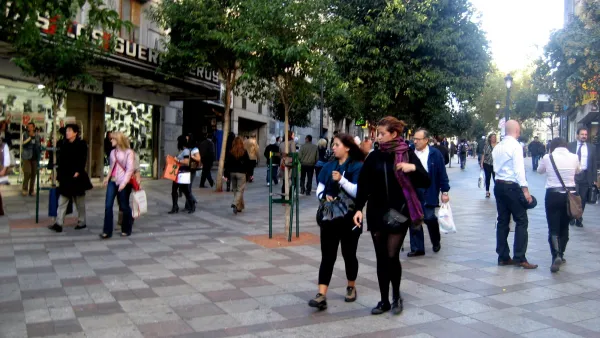
Driving Ban in Madrid Central Survives Despite Change of Leadership
In sharp contrast to France's yellow vest demonstrations against fuel tax hikes, Madrid residents took to the streets to keep them free of motor vehicles after new leaders were elected who vowed to rescind the driving ban enacted last November.

FREE Course: Walkable City 1: Why Walkability?
After describing his path towards focusing on walkability as the essence of good planning, Jeff Speck marches through his five principal reasons for making more walkable places.
Reinventing Malls: Planning Alchemy—Turning Gray Fields Into Gold
The course focuses on the opportunities and imperatives that shape reinvention of mall sites.

Greater Baltimore Committee
Eagle County Government
Harvard University Graduate School of Design
The Architects Foundation
University of Cincinnati Online
The Pocatello Development Authority
The Urban Renewal Agency of the City of Pocatello
Journal of the American Planning Association