Environment
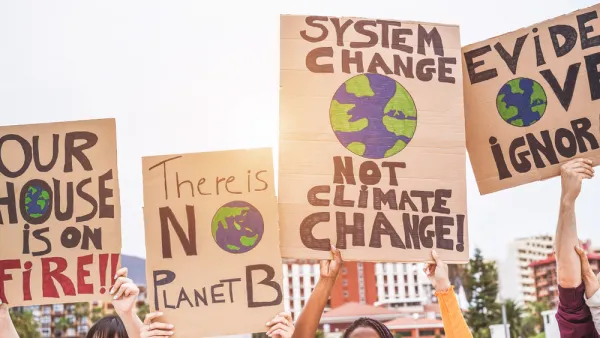
Survey: Mayors Concerned About Direct Impacts of Climate Change
Almost all U.S. mayors have some level of concern about climate change in their communities, but local leaders face some challenges in taking action.
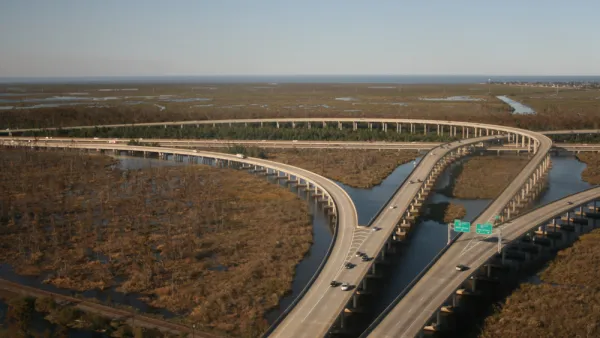
$50 Billion Coastal Master Plan Updated in Louisiana
Louisiana is losing coastal lands, quickly, along with the habitat and economic resources located there. A Coastal Master Plan plots $50 billion in spending to protect the coast.
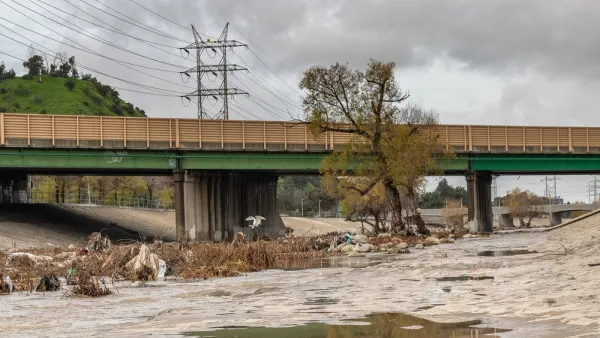
Downpours Yield 33 Billion Gallons of Captured Stormwater in L.A. County
County officials hope reclamation efforts will help the region reduce its dependence on imported water supplies.
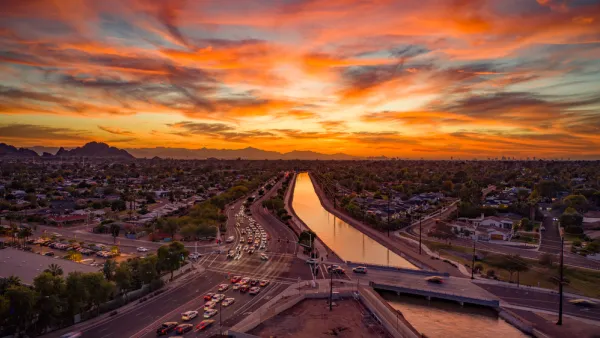
Scottsdale Cuts Water Supply to Nearby Suburb
The city claims it has no responsibility to provide water to the unincorporated Maricopa County community.
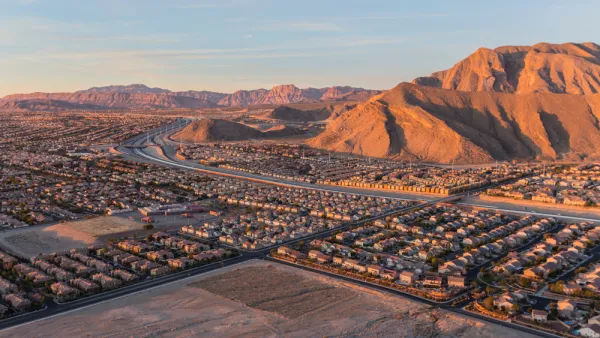
Zoning Has Support for Sprawl: Subdivision, Covenants, and Mortgages
Zoning codes are not the only kind of land use control that has built the U.S. residential market on the suburban model for more than a century, according to a recent article in The Urbanist.

Using Cellphone Data to Understand Park Use
A new University of Toronto study analyzes anonymous GPS data from smartphones to track how people use and interact with green spaces.

The Benefits of Walking in Urban Green Spaces
A new study by researchers in Virginia found that walking in a quiet urban setting with shade and greenery can significantly improve mood and reduce stress.
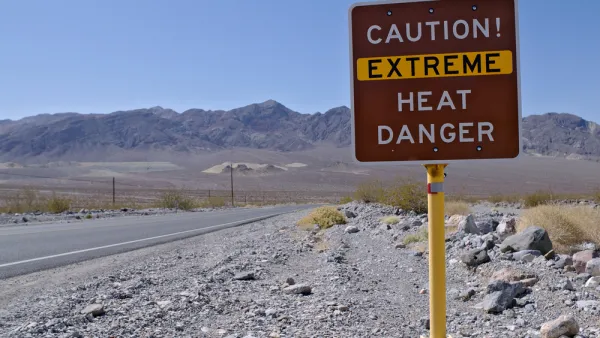
The Importance of Cooling Centers
A new UCLA study examines how formal and informal cooling centers are being used in Los Angeles County.

L.A.’s Water Diversions Threaten Critical Habitat Far to the North
Water levels at Mono Lake, nestled in a stunningly beautiful location on the eastern slope of the Sierra Nevadas that provides the eastern gateway to Yosemite, have fallen to a critical level of a local population of nesting gulls.
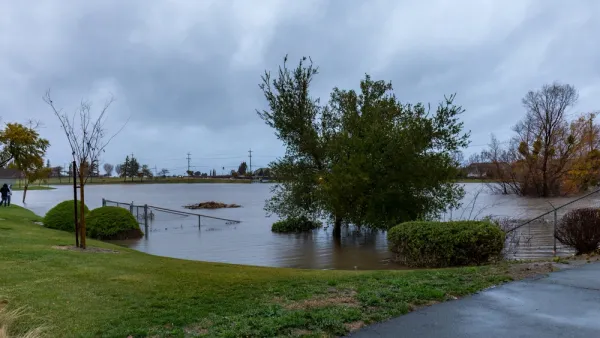
California’s Reservoirs are Filling Up, but For How Long?
Recent storms are bringing plenty of water to parched parts of California, but scientists warn the relief won’t be a long-term solution to longer, drier periods.

Small Modes Are Beautiful!
Active modes (walking, bicycling and their variants) and micromodes (e-bikes and e-scooters) can provide large climate emission reductions and other important benefits, if we let them. Small modes are important but often undercounted and undervalued.
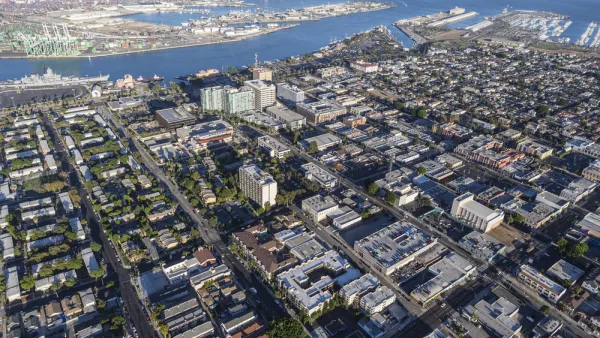
EPA Grants Target Environmental Justice
The agency will administer $100 million in grants to cities, states, and tribal nations as part of the Biden administration’s Justice40 initiative.
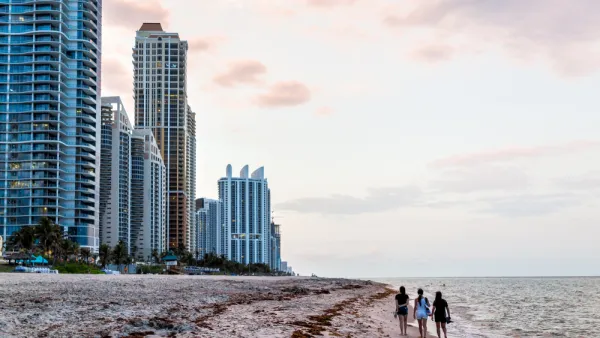
Miami-Dade Issues ‘Extreme Heat Action Plan’
The county’s plan addresses a range of infrastructure improvements and community resources that could limit the impacts of extreme heat waves.

The High Cost of Climate Disasters
Extreme weather events in the United States cost $165 billion and killed more than 474 people last year.

Federal Plan Takes Aim at Transportation Emissions
The U.S. National Blueprint for Transportation Decarbonization is designed to guide federal investment and regulations, focusing on electrification with a nod to transit investment and walkability.

Prioritizing Climate Change in Planning Projects
What should urban planners reconsider when engaging in sustainable development?

A $400 Billion City in the U.S. Desert
The latest futuristic city concept attracting attention on the internet is known as Telosa.
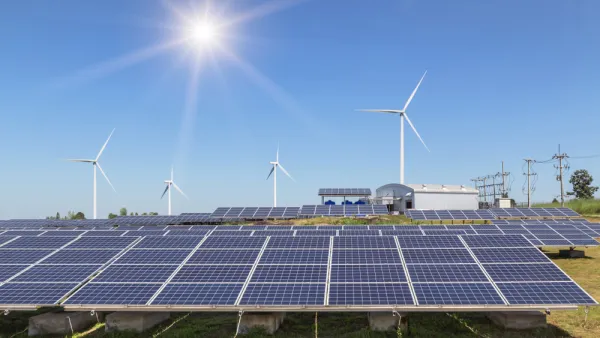
U.S. Greenhouse Gas Emissions Continue Post-Pandemic Rebound in 2022
Renewables generated more electricity than coal in 2022, according to preliminary estimates. Greenhouse gases still rose, however, due mostly to increased emissions from buildings.
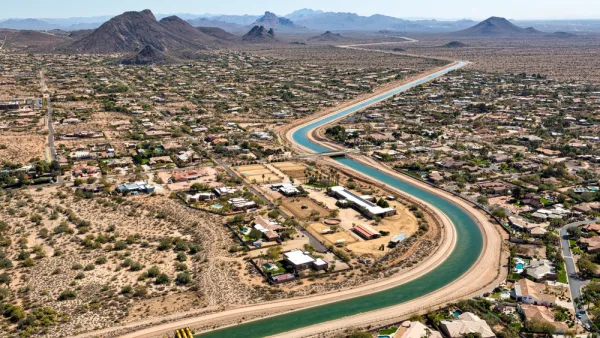
New Map Deepens Understanding of Cross-Border Aquifers
A new analysis of U.S. and Mexico groundwater supplies reveals 72 aquifers shared between the two countries.
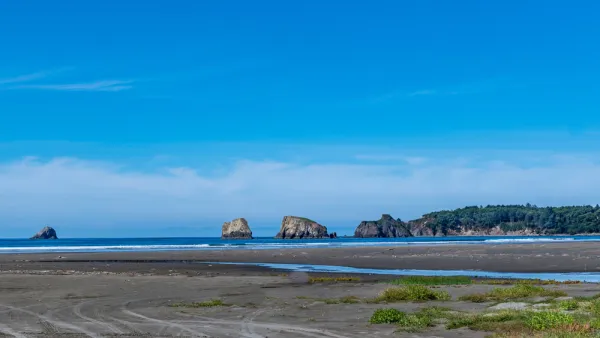
Federal Grants Fund Tribal Relocation Efforts
Tribal communities threatened by climate change are opting to relocate or engage in ‘managed retreat’ to save their villages from sea level rise, erosion, flooding, and other climate impacts.

FREE Course: Walkable City 1: Why Walkability?
After describing his path towards focusing on walkability as the essence of good planning, Jeff Speck marches through his five principal reasons for making more walkable places.
Reinventing Malls: Planning Alchemy—Turning Gray Fields Into Gold
The course focuses on the opportunities and imperatives that shape reinvention of mall sites.

City of Rosemead
Rutgers University, Edward J. Bloustein School of Planning and Public Policy
One Hundred Miles
University of Michigan School for Environment and Sustainability (SEAS)
Hunter College, City University of New York (CUNY)
The Architects Foundation
City of Cambridge
The Pocatello Development Authority
The Urban Renewal Agency of the City of Pocatello









