Environment
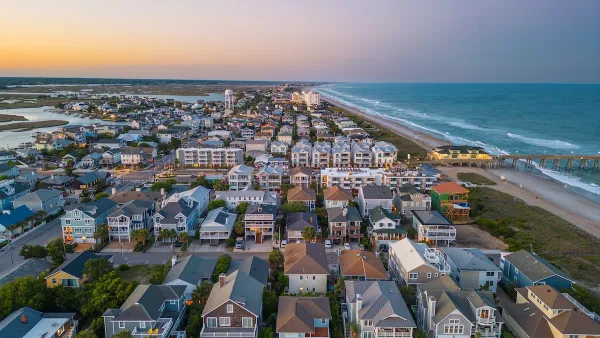
Rising Insurance Rates Squeezing Affordable Housing Developers
Spiking insurance costs in coastal areas prone to climate disasters are making it harder for low-income housing developers to keep building.
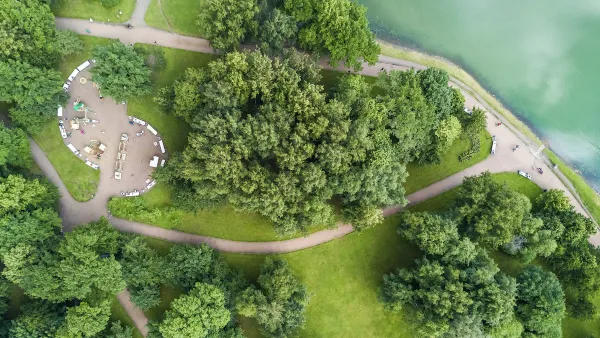
Not a Walk in the Park: What It Really Takes to Build Green Spaces
Park creation can take decades of perseverance to overcome financial, regulatory, and social hurdles, but the end result for the local community is more than worth it.
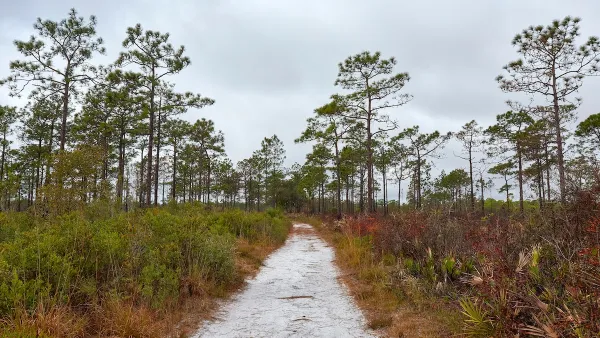
Harnessing GIS and Fire for Longleaf Pine Conservation
Scientists in Florida are using GIS technology to strategically manage prescribed burns, aiding in the restoration and biodiversity of longleaf pine ecosystems while enhancing climate resilience across the Southeast.

Urban Trees Have Bigger Impact in Hot, Dry Cities
The cooling effect of robust urban tree canopies is more pronounced in hotter, drier cities like Phoenix and Las Vegas.
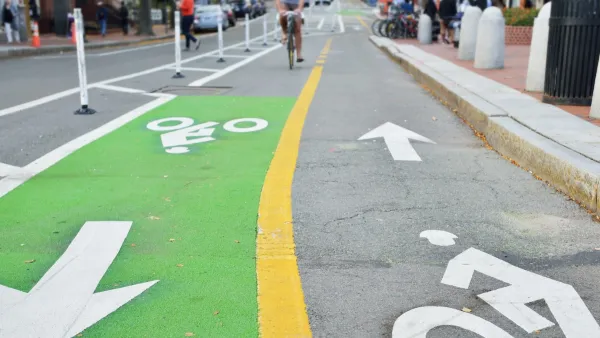
Book Review: Combining Sustainability and Smart Growth
A review of The Sustainable Urban Design Handbook, by architects Nico Larco and Kaarin Knudson.
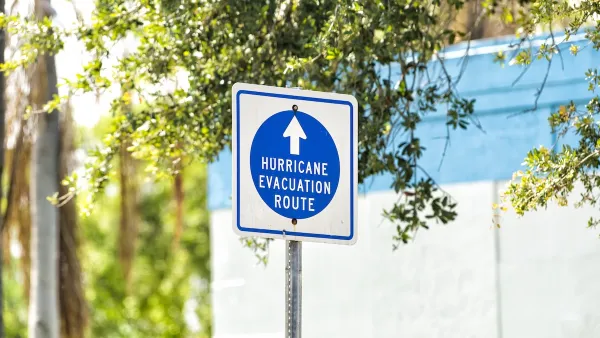
Will Hurricanes Drive Away Florida’s Retirees?
Some children of Florida retirees are urging their parents to leave hurricane-prone areas for safer regions.
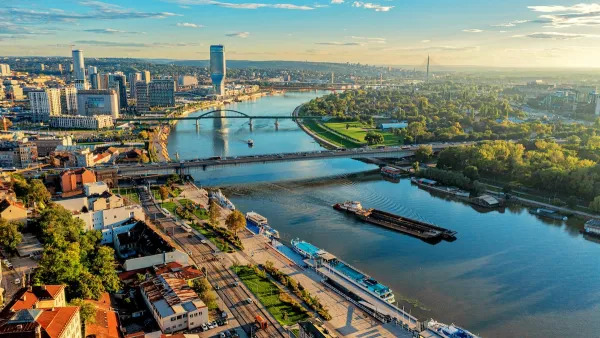
Report: European Rivers Are in Trouble
Some of the continent’s most important rivers are suffering from overuse and pollution.
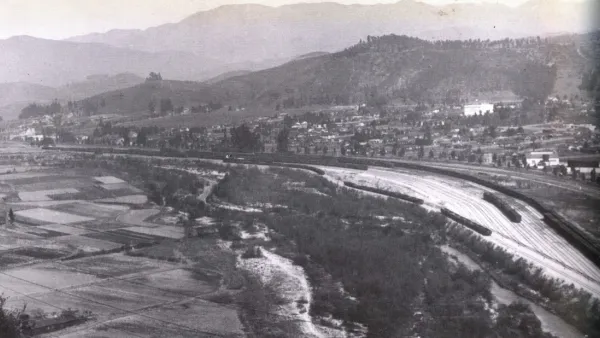
Fundraising Begins for Development of 100-Acre Park in Los Angeles
River LA has launched a capital campaign to develop the 100-acre Taylor Yard Park, featuring amenities like a welcome pavilion, wetlands, and a pedestrian bridge, with completion costs estimated at over $1 billion.

Oil Refinery Closure Offers Relief for Impacted Communities
The sudden closure of the Phillips 66 refinery in Los Angeles has been welcomed by environmental and community activists, raising hopes for reduced pollution.
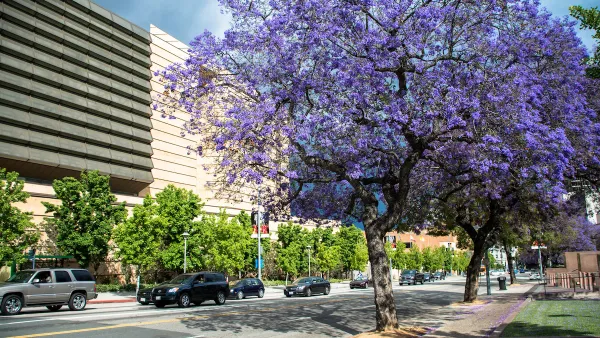
Addressing Tree Canopy Disparity in South Los Angeles
A new study highlights the complex challenge of addressing tree canopy disparities in South L.A., where historical environmental injustices, budget constraints, and competing community priorities hinder efforts to increase equitable tree coverage.
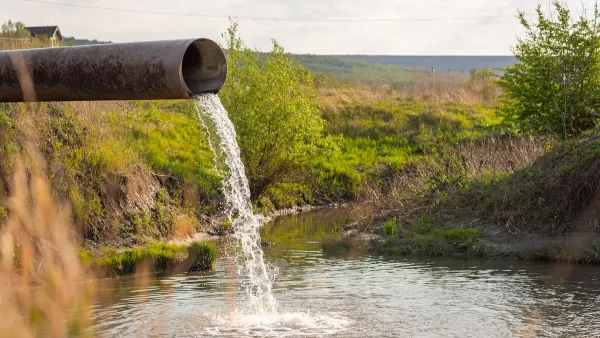
Supreme Court Could Curb EPA’s Water Quality Regulation Powers
A suit brought by the city of San Francisco argues that the agency’s language around water treatment and discharge is too vague and imposes retroactive penalties.
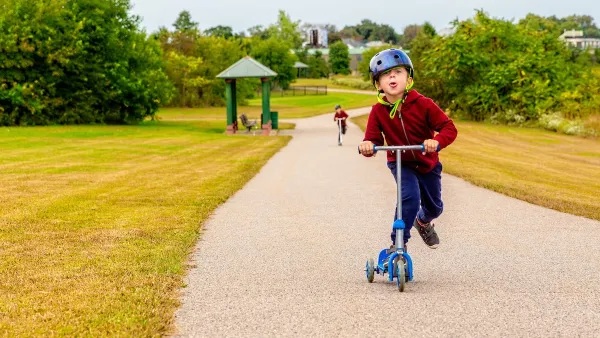
How Local Parks Promote Equitable Outdoor Access
Targeted investments in local parks, improved infrastructure, and enhanced transit connectivity are essential strategies to close the nature gap and ensure equitable outdoor access for underserved communities.
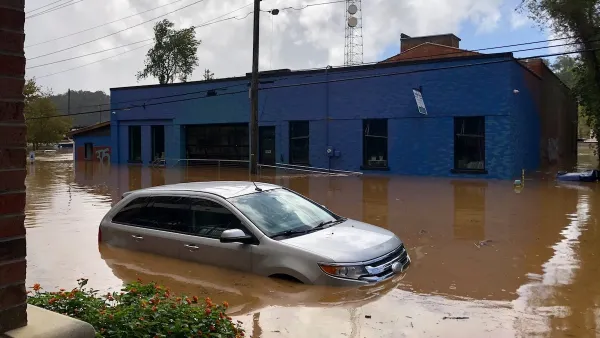
Love Letter to Asheville
A River Arts District resident and urbanist reflects on her experience in the former “climate haven” in the aftermath of Hurricane Helene.
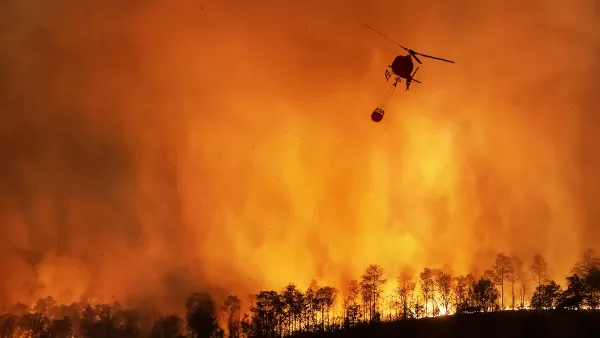
California Fire Dashboard Tracks Statewide Resilience Efforts
The online map builds a comprehensive database of fire prevention and mitigation efforts at every level of government to help agencies coordinate their work and understand the impacts of projects.
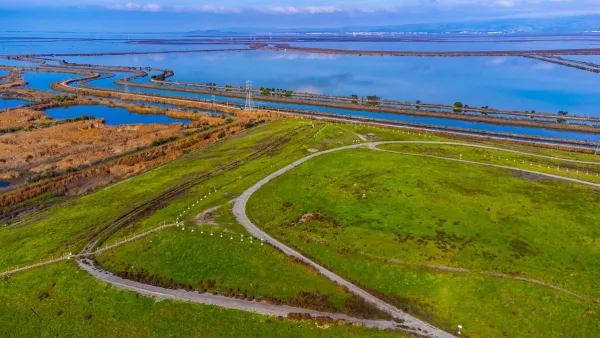
Insights and Innovations from the California Land Recycling Conference
The 2024 CLRC showcased innovative strategies for transforming brownfields into sustainable, equitable community assets, emphasizing environmental, social, and economic empowerment through land reuse.

Exploring Ocean Iron Fertilization: A Potential Climate Solution
Researchers are exploring ocean iron fertilization as a potential method for removing atmospheric carbon dioxide, emphasizing the need for controlled trials to determine its effectiveness and ecological impact in combating climate change.
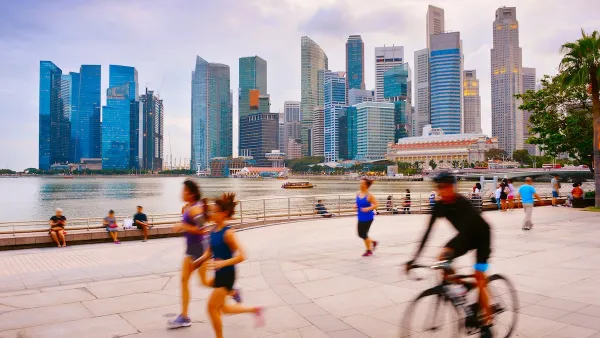
Singapore: A Model for Longevity and Quality of Life
Singapore's remarkable rise in life expectancy, driven by government policies on health, green spaces, and social cohesion, has earned it the distinction of being named the world's sixth “Blue Zone.”

Urban Farming Addressing Hunger (and More) in Pittsburgh
Urban farming provides opportunities to increase food security in addition to other benefits.
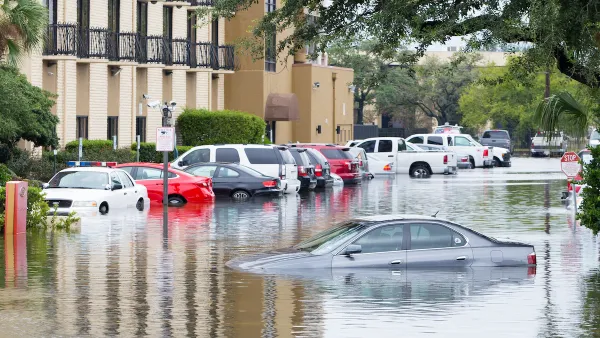
Migration to Disaster-Prone Areas Persists
Regions at high risk for flooding, wildfires, and other climate-fueled disasters continue to see rapid population growth.
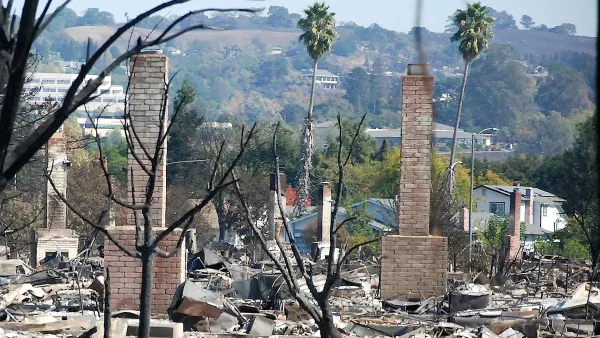
Sonoma County Bans Evictions During Disaster Recovery
Low-income renters face an increased risk of eviction after a natural disaster. Most cities and states don’t offer any protection.

FREE Course: Walkable City 1: Why Walkability?
After describing his path towards focusing on walkability as the essence of good planning, Jeff Speck marches through his five principal reasons for making more walkable places.
Reinventing Malls: Planning Alchemy—Turning Gray Fields Into Gold
The course focuses on the opportunities and imperatives that shape reinvention of mall sites.

City of Rosemead
Rutgers University, Edward J. Bloustein School of Planning and Public Policy
One Hundred Miles
University of Michigan School for Environment and Sustainability (SEAS)
Hunter College, City University of New York (CUNY)
The Architects Foundation
City of Cambridge
The Pocatello Development Authority
The Urban Renewal Agency of the City of Pocatello









