Energy
$7 Billion Later, Shell to Withdraw from Arctic Oil Drilling
Environmentalists could have saved themselves a lot of demonstrating had they known that Shell Oil would pack up their drilling rigs after only six weeks of exploratory drilling in the Chukchi Sea off Alaska. Insufficient oil and other reasons cited.
California's Oil Battles Move from Legislature to Air Resources Board
Big Oil may have defeated Gov. Jerry Brown's oil reduction goal in the legislature this month, but there are other avenues for the green governor to pursue his climate change agenda. The Low Carbon Fuel Standard was renewed by CARB on Sept. 25.
China to Start Cap-and-Trade to Limit Greenhouse Gas Emissions in 2017
President Xi Jinping announced a landmark commitment on Sept. 25 to commence a cap-and-trade program in 2017, going further than the U.S. to limit emissions.
Controversial Atlantic Coast Pipeline Project Moves Forward
This week Duke Energy and Piedmont Natural Gas submitted permits to the Federal Energy Regulatory Commission to build a 550-mile natural gas pipeline across three mid-Atlantic states.
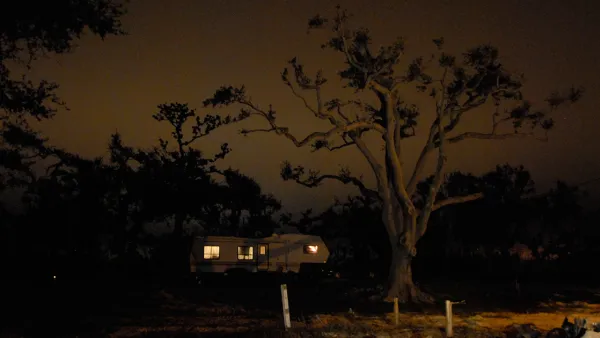
The Katrina Cottage Legacy
The New Urbanist Katrina Cottages initiative for the Gulf Coast appeared to be a failure but their legacy lives on in the SmartDwellings and in the Tiny House movement.
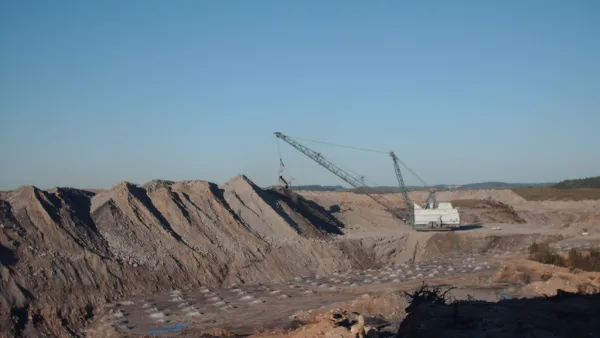
Appalachian Coal's Last Wheezing Breath
As the nation abandons old-school West Virginia coal, a scarred and cratered landscape remains. Can residents build a new economy and overcome the legacy of an often-brutal industry?
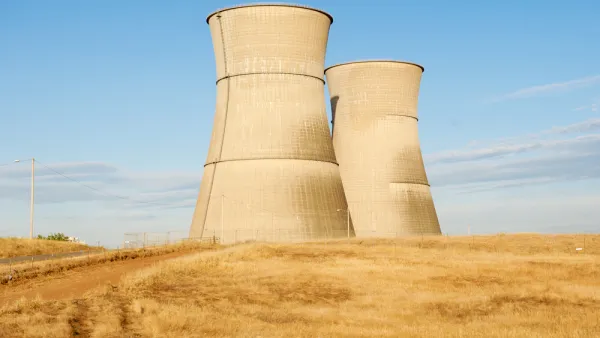
Solar Power Approved for Site of Defunct Nuclear Plant
A nuclear plant shut down by a vote of the people in the 1980s will find new life as a solar project.

Carbon-Saving Urban Development Makes Economic Sense
A new report stresses the importance of international cooperation on low-carbon development.
California Won't Require 50 Percent Reduction In Oil Consumption After All
An ambitious energy-climate bill strongly backed by Gov. Jerry Brown was stripped of one of its three goals—to reduce oil consumption in half by 2030. The other two goals, increasing the renewable portfolio and increasing energy efficiency, remain.
Drivers Enjoy Lowest Gas Prices in 11 Years on Labor Day Weekend
Not since 2004 have gas prices been this low, an outcome of a glut of oil on the market from producers amidst a slowdown of demand from China. No surprise that driving is at all-time hime. Prices are expected to drop below $2 per gallon by Christmas.
Offshore Wind Ambitions Stall in New Jersey
The Garden State once dreamed of becoming a global leader in offshore wind electricity generation. Now its plans look dead in the water.
California Caps Income Eligibility for Electric Vehicle Rebates
Californians with incomes of $250,000 or more, or couples earning half a million dollars or more, have lost their eligibility to receive most state electric vehicle rebates as a result of a required vote by the California Air Resources Board.
World's Newest Form of Marine Renewable Energy Launched in Hawaii
It's called Ocean Thermal Energy Conversion, or OTEC, and the world's largest plant was dedicated in Hawaii on August 21. It produces renewable energy by using the temperature difference between the ocean's deep cold water and warm surface water.
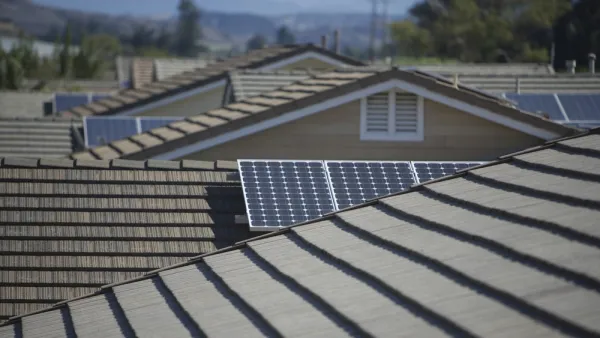
Google Debuts Rooftop Solar Mapping Tool
Currently in its early stages, Project Sunroof tracks how much sun every roof receives. Then it estimates the costs and savings if rooftop solar were installed. Right now, the tool only covers the Bay Area, Fresno, and Boston.
Rotterdam Development Makes Energy Efficiency History
A 72-unit development in Rotterdam—the town in upstate New York, that is, not its namesake in The Netherlands, is one of the first in the United States to be called net-zero: it consumes as much energy as it produces.
Global Call for Ideas Reveals Promising Resilience Solutions
Superstorm Sandy spurred the New York City Economic Development Corporation to form the RISE:NYC program, a global competition for innovative solutions to post-disaster resiliency. Arup's Sarah Wesseler spoke with them to learn more.
California Cap-And-Trade Surprise: Cash Flows Out-of-State to Reduce Emissions
California industries are buying offsets in lieu of purchasing carbon allowances or reducing carbon emissions, and most of the offsets are spent out-of-state, assisting the recipients economically as well as reducing greenhouse gas emissions.
EPA Proposes Rule to Reduce Methane Emissions from New Oil and Gas Wells
On the heels of President Obama's Clean Power Plan rule that reduces carbon dioxide emissions from power plants, the new rule focuses on the other major greenhouse gas, methane, and rather than coal, it is focused on oil and gas drilling.
Op-Ed: Texas Should Lead, Not Litigate, on Clean Power
A Houston Chronicle business columnist argues in defense of the Obama Administration's new environmental rules.
Can California Cut Oil Use in Half by 2030?
A bill working its way through the California State Legislature would require the state to reduce petroleum its consumption by half in 15 years. CALmatters, a nonprofit journalism venture, seeks to find out if it is even possible.

FREE Course: Walkable City 1: Why Walkability?
After describing his path towards focusing on walkability as the essence of good planning, Jeff Speck marches through his five principal reasons for making more walkable places.
Reinventing Malls: Planning Alchemy—Turning Gray Fields Into Gold
The course focuses on the opportunities and imperatives that shape reinvention of mall sites.

City of Rosemead
Rutgers University, Edward J. Bloustein School of Planning and Public Policy
One Hundred Miles
University of Michigan School for Environment and Sustainability (SEAS)
Hunter College, City University of New York (CUNY)
The Architects Foundation
City of Cambridge
Montrose County
The Pocatello Development Authority









