Community / Economic Development
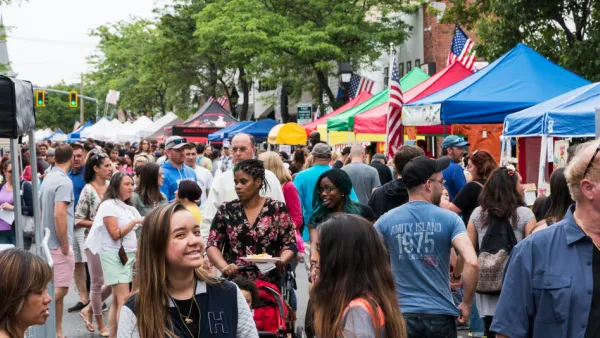
An Overlooked Economic Powerhouse for Small Cities
Attracting a major employer or a tech company is not the only economic development strategy that deserves attention and investment.
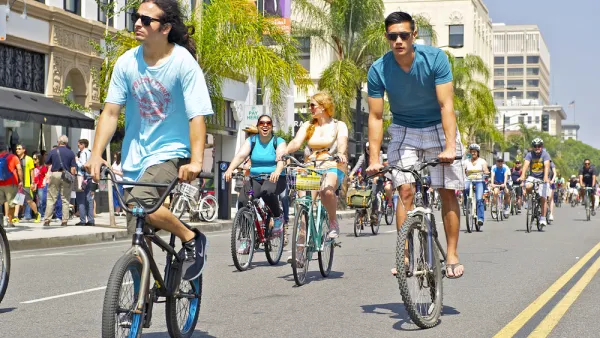
CicLAvia Helping Restaurants Keep Outdoor Dining
CicLAvia is working with the city to make its "al fresco dining" program permanent.
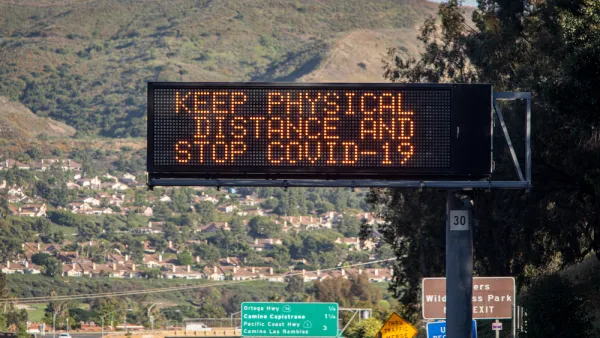
Returning to the Office: Will Vaccinations Be Required?
A survey by Kaiser Health News of 15 of America's largest companies found that none are considering vaccine mandates, but most offer employee incentives. Mandates may be more of consideration after the FDA approves the vaccines.
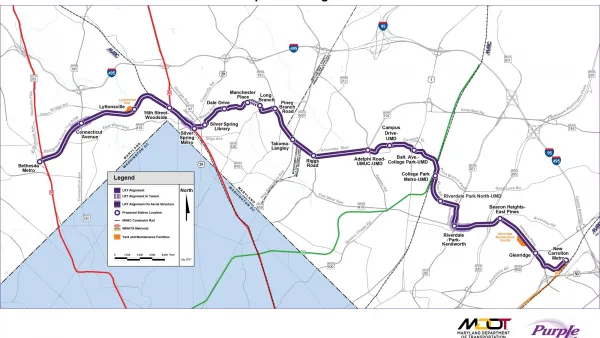
New Tool Demystifies Regulations Around Maryland's Purple Line
The tool aims to help stakeholders "cut through regulatory complexity" and ensure equitable access to the light rail line's economic benefits.
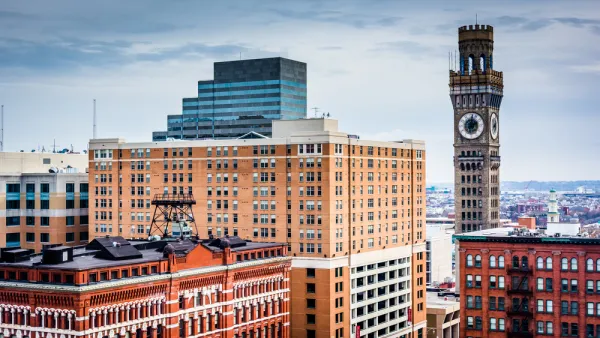
Proposed Bill Could Fund Redevelopment of Baltimore's 'Highway to Nowhere'
The Reconnecting Communities Act would provide funding for retrofitting highway infrastructure and reconnecting neighborhoods cut off by road projects.
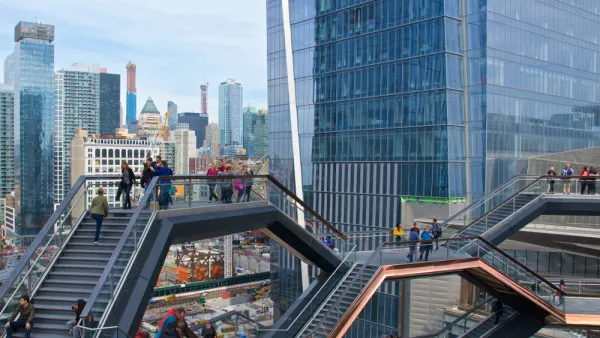
Suicides Prompt New Public Access Rules for the Vessel at Manhattan's Hudson Yards
The Vessel is reopening after closing for four months due to a rash of suicides.
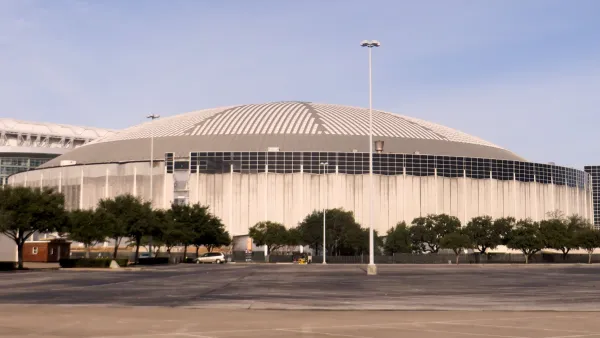
Renewed Efforts to Redevelop Houston's Historic Astrodome
A nonprofit hopes to create a viable plan for the iconic stadium—and find a way to pay for it.
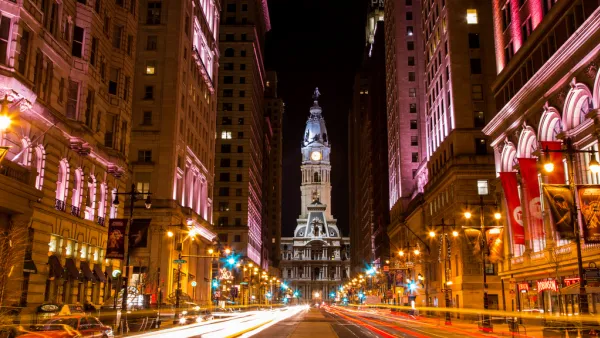
Philadelphia Accelerator Fund Will Finance Black and Brown-Led Affordable Housing
The fund seeks to level the playing field by making it easier for Black and brown developers to gain access to capital.
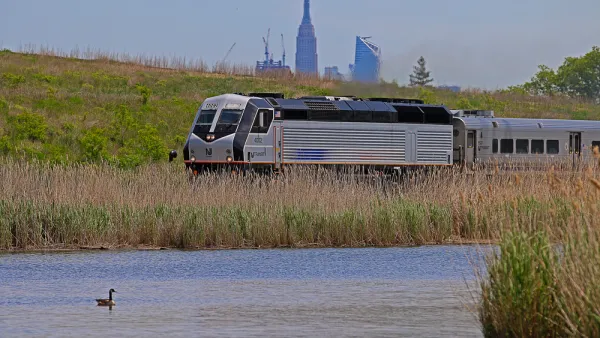
The High Cost of Adapting Commuter Rail for the Post-COVID Future
U.S. commuter rail systems, primarily designed to bring workers to and from central business districts, must adapt to serve a broader population as the traditional workday changes.
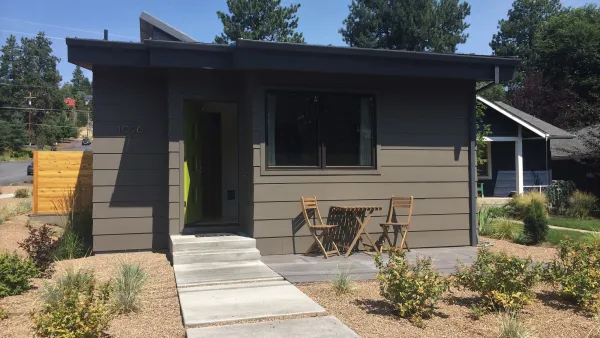
San Diego Residents Challenge the City's ADU Regulations
Residents in some of the city's single-family neighborhoods worry about the potential impacts of ADU construction on local character and parking.

A Daring 50-Year Vision for the San Francisco Bay Area
The SPUR Regional Strategy sets a new standard for planning advocacy, not only for the depth and breadth of its vision, but for its skill in execution.
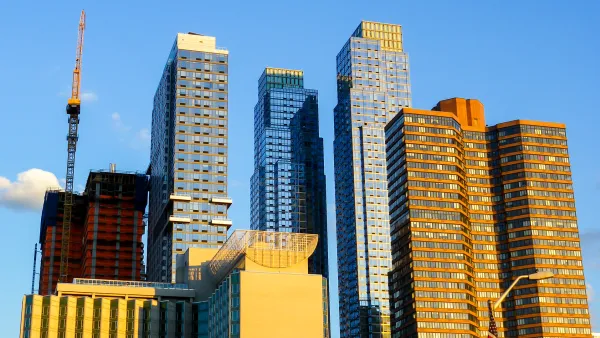
The Future of Central Business Districts
Urbanist Richard Florida assesses post-pandemic possibilities for neighborhoods that once relied on 9-to-5 workers.
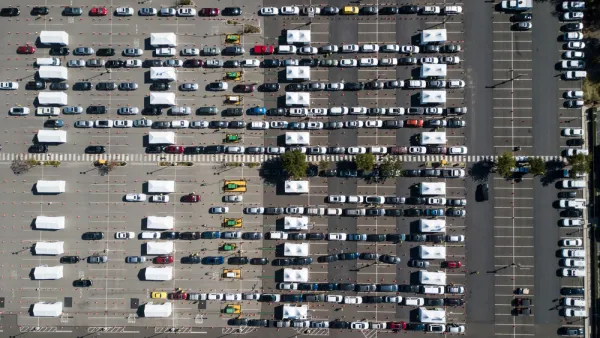
COVID Vaccines Are Already Changing Cities
Here are just a few ways urban environments are transforming and reinventing themselves in the wake of the coronavirus.
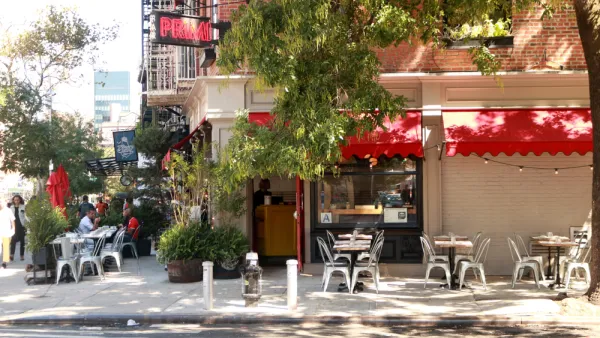
Car-Free Streets Benefit Restaurants, Yelp Survey Shows
Restaurants in areas designated as "slow streets" during the pandemic saw a boost in consumer interest.

A Microfarm Grows in an L.A. Front Yard
The founder of Asante Microfarm hopes his farm will serve as a model for bringing fresh produce to underserved communities.
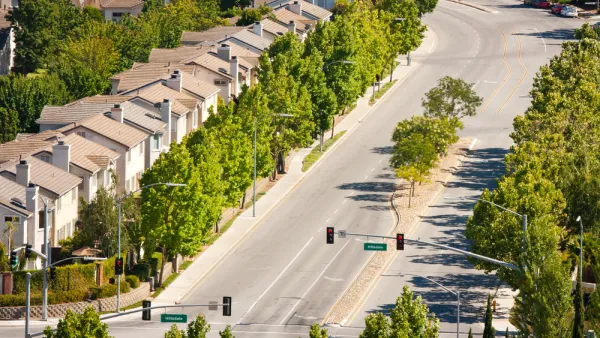
Approaching Land Use and Transportation as Interconnected Issues
One researcher argues that the division between transportation and land use policymaking at the federal level has harmed communities of color and encouraged unchecked sprawl.
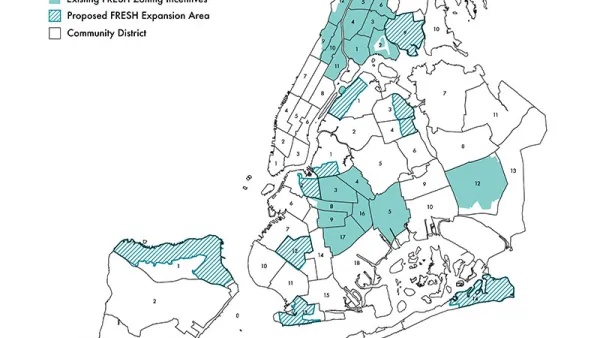
Zoning Incentives for Supermarkets: New York Expands its FRESH Program
The FRESH program, previously offering zoning incentives for grocery store development in 19 districts around New York City, will expand to 11 new locations.
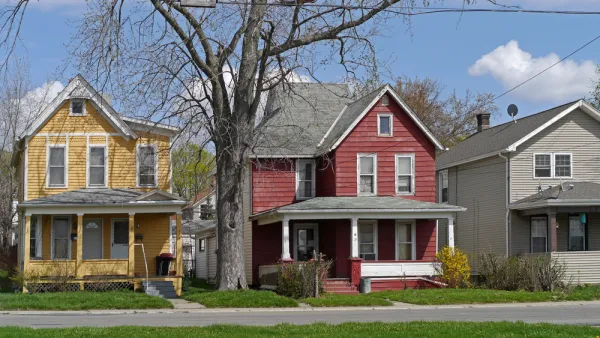
Opinion: Freeze Property Taxes in Gentrifying Neighborhoods
A proposed bill in the Texas legislature would help prevent displacement of homeowners in areas experiencing reinvestment and redevelopment.
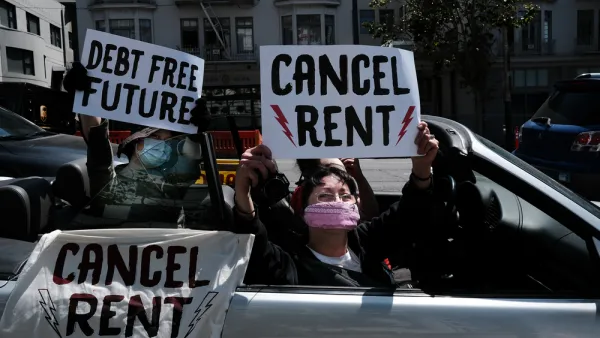
Report Breaks Down Pandemic Rent Burdens by State and Metro Area
The share of U.S. households facing rent debt is decreasing as the economy begins to recover from the pandemic, but rent debt is still concentrated by geography and demographics around the country.
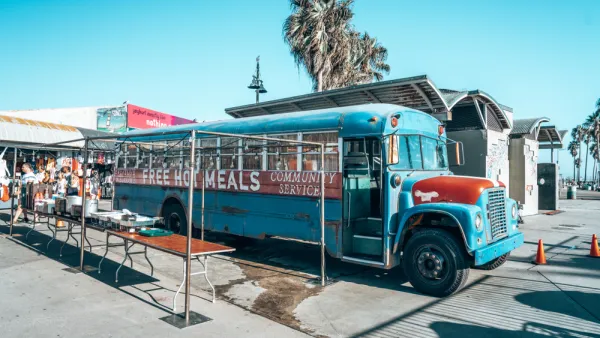
L.A. Could Consider Parks for Sanctioned Camping Locations for People Experiencing Homelessness
L.A. residents are demanding solutions for the city's growing number of people experiencing homelessness, but they don't tend to like those solutions when they include allowing people experiencing homelessness to stay in the neighborhood.

FREE Course: Walkable City 1: Why Walkability?
After describing his path towards focusing on walkability as the essence of good planning, Jeff Speck marches through his five principal reasons for making more walkable places.
Reinventing Malls: Planning Alchemy—Turning Gray Fields Into Gold
The course focuses on the opportunities and imperatives that shape reinvention of mall sites.

City of Rosemead
Rutgers University, Edward J. Bloustein School of Planning and Public Policy
One Hundred Miles
University of Michigan School for Environment and Sustainability (SEAS)
Hunter College, City University of New York (CUNY)
The Architects Foundation
City of Cambridge
Montrose County
The Pocatello Development Authority









