Community / Economic Development
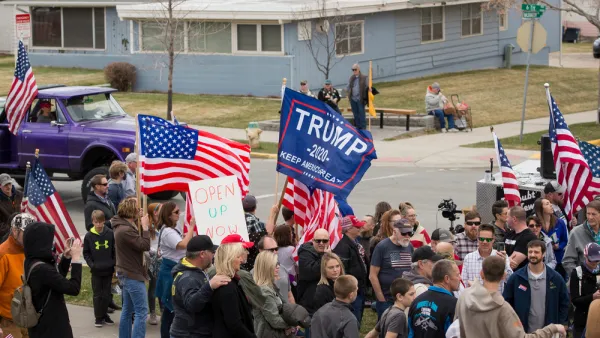
President Trump's Plan to Reopen the Economy Rests with States
After initially saying that he had total authority on how and when to reopen the economy, Trump handed the responsibility to the 50 governors to make their own decisions and offered guidance in the form of a three-phase plan that relies on testing.
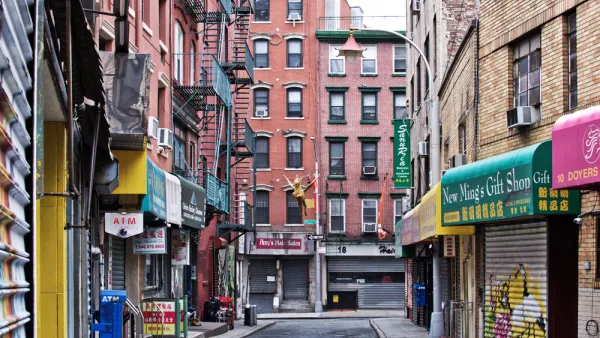
The Geography of Low-Income Job Losses
The historic job losses of the past two months have hit the most vulnerable workers harder than others, so far. The Urban Institute estimated and mapped where more low-income jobs have been lost.
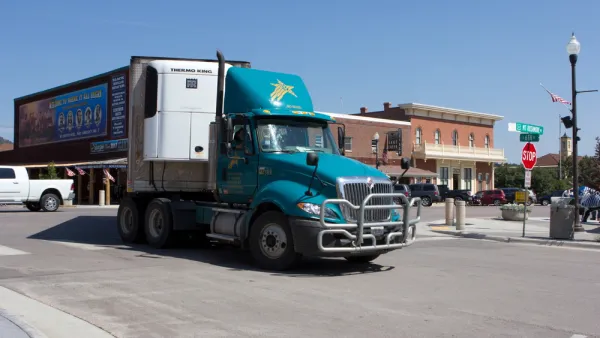
Coronavirus Shuts Down Food Processing Plant as President Pushes Reopening Economy
As President Donald Trump eyes May 1 for "opening up states," he might want to look at states that never shut down businesses to understand his public health advisor's warning that "the virus makes the timeline."
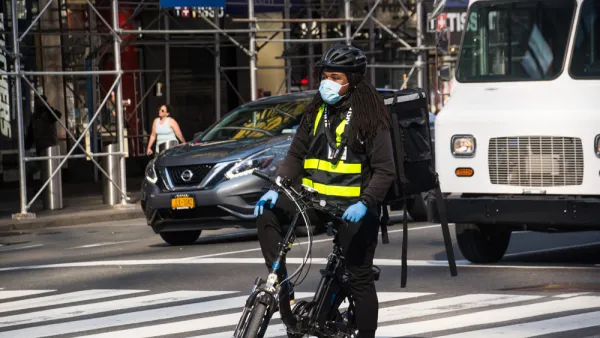
Watch: The Future of Cities After COVID-19
An expert panel convened to discuss the effect of the coronavirus on the foundations of society and contemporary life. The future, both the remaining time dealing with the pandemic and after, is becoming more clear with every passing day and week.
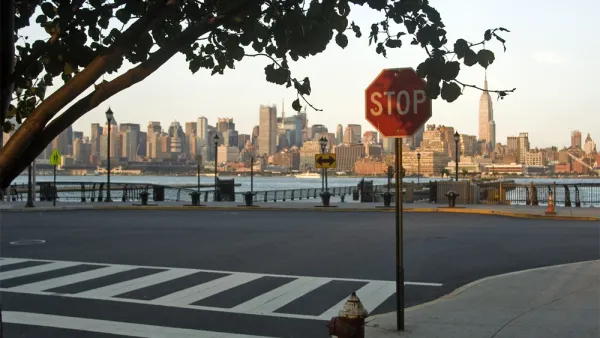
How the Post-Pandemic Future Could Resemble the Pre-Pandemic Future
Response to coronavirus challenges in urban settings will likely be a continuity of work started decades ago.
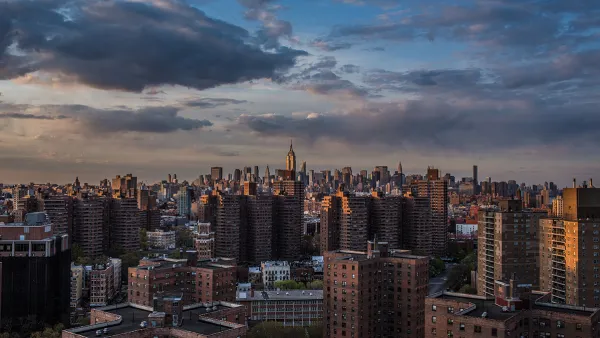
Expanding Housing Choice Vouchers Would Strengthen the Safety Net
An expanded housing voucher program is needed to address the medium- and long-term economic consequences of COVID-19.
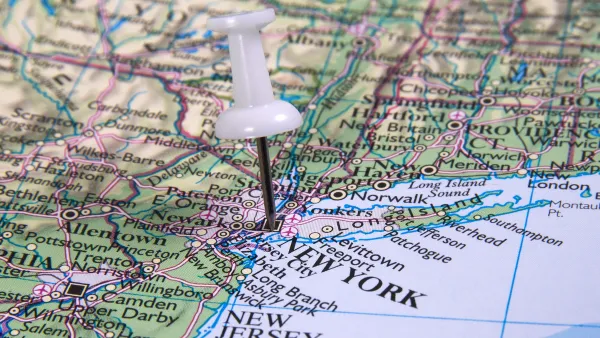
Part II: The New Regionalism of the Coronavirus Pandemic
Part I was shutting down the economy on a multi-state basis in the absence of federal leadership. Part II will be opening them up in spite of federal assertiveness.
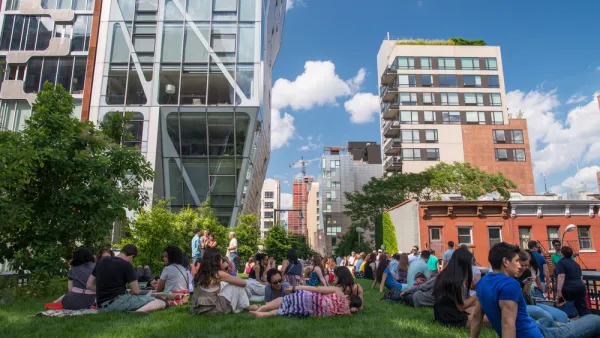
Superstar Cities Are Struggling Now, But Could Recover to Gain Even More Economic Power
The public health and economic crises caused by the coronavirus are threatening to further entrench inequality in America—between regions and within cities.
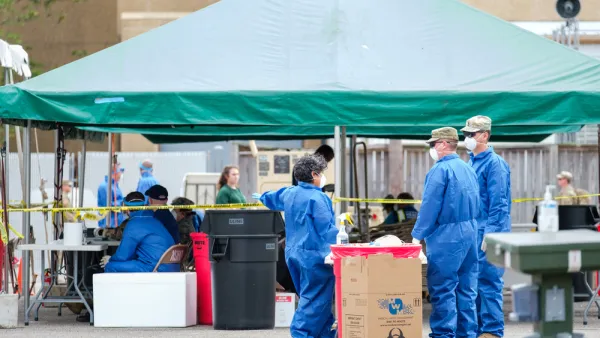
Concern About the Direction of the Next Federal Stimulus Bill
Congressional leaders are discussing the shape and size of the next federal stimulus bill. The following critique argues that the next bill should do more to expand testing, contact tracing, and quarantine capacity at the state level.
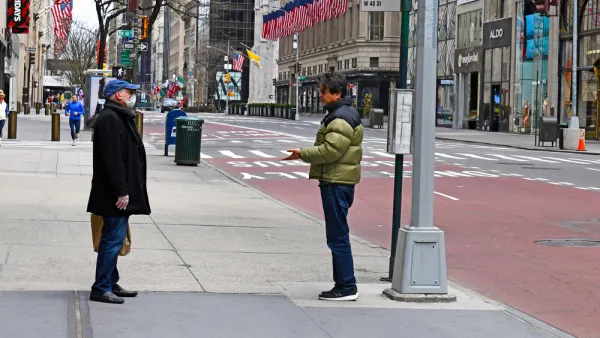
Lessons from Pandemics: Comparing Urban and Rural Risks
Many people assume that infectious disease risks make cities dangerous, but this is generally untrue. Other factors have more effect on pandemic risk and mortality rates, making cities safer and healthier than rural areas overall.

Disaster Gentrification and COVID-19
Disaster gentrification is a widely documented phenomenon, like in New Orleans after Hurricane Katrina. The coronavirus and the resulting economic downturn could have similar consequences.
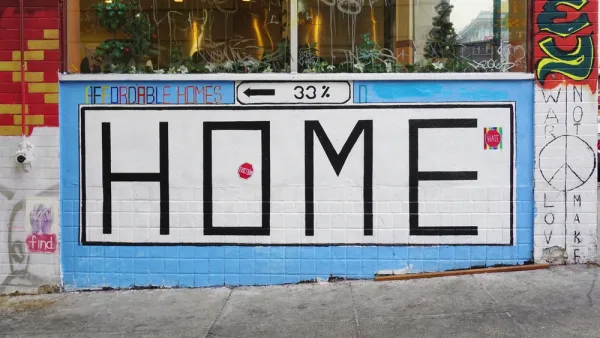
Safe At Home: Securing Affordable Housing in a Pandemic
An interview on the critical importance of securing quality affordable housing during the pandemic, coupled with the challenge of responding to the operational needs of ongoing development projects.
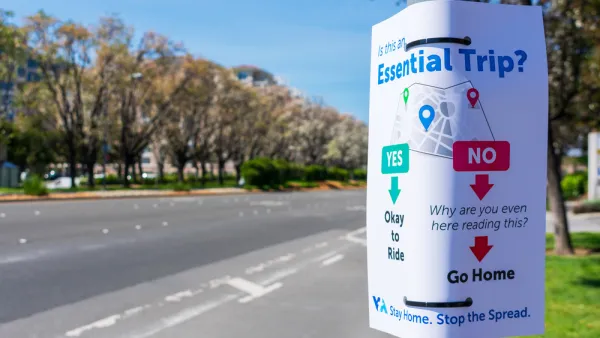
Opinion: Transit Has Always Been an Essential Service
Ridership is the wrong way to think about the importance of public transit.
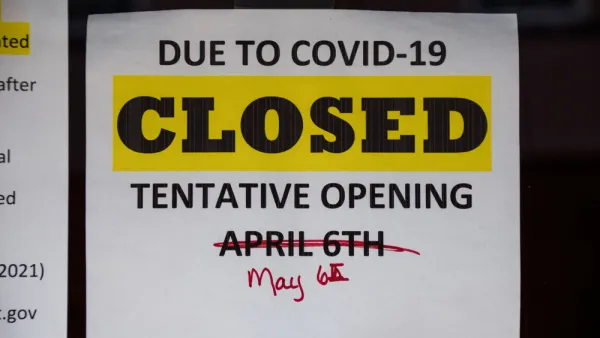
Coronavirus Signs Say So Much
The signs of the times say much more than words can express.
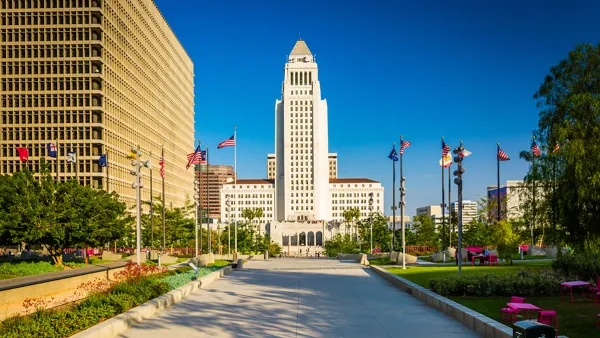
L.A. Department of City Planning Goes Remote
Los Angeles Department of City Planning Director Vince Bertoni shares the status of the planning department and the daily challenges of providing public-facing service and community meetings under social distancing orders.
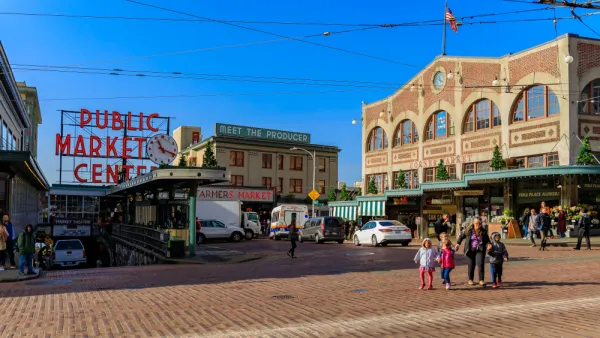
Project For Public Spaces Launches Initiative to Improve Marketplaces Worldwide
Project for Public Spaces' Market Cities Initiative seeks to understand and addresses challenges faced by the public marketplaces to improve market infrastructure and promote healthy food systems in local communities.
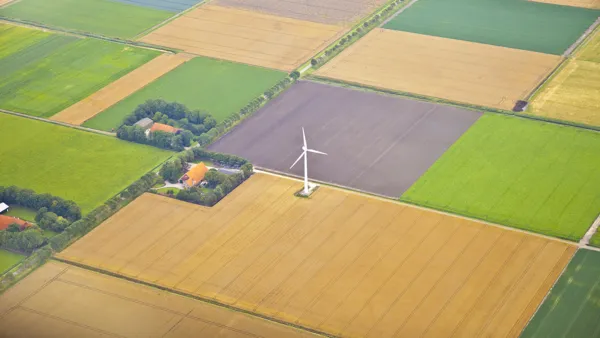
We Need a Rural New Deal
Just as the original New Deal was in large part designed to address the dire challenges rural America faced in the 1930s, today's rural community economic development practitioners can learn from the Green New Deal.
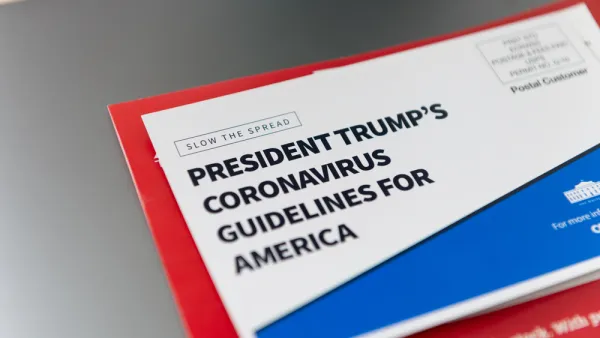
States Not Unified in Response to Coronavirus Pandemic
Public health experts were pleased that Trump extended his coronavirus guidelines, but they remain advisory, left to state and local governments to implement. Nine states have yet to issue stay-at-home orders, leaving the nation vulnerable to COVID.
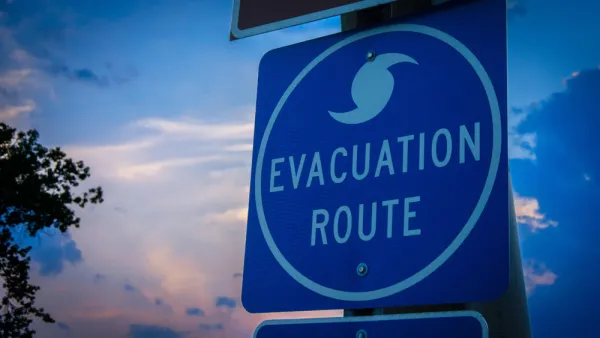
Deciding Not to Rebuild After Climate-Related Disasters
Officials in cities along the East Coast are realizing that maybe they shouldn’t rebuild on land that repeatedly floods. But that’s easier said than done.

Community Development Is Crucial in This Moment
The pandemic is highlighting the crucial necessity of community developers’ work. Here’s what the field will need to play its part in the recovery.

FREE Course: Walkable City 1: Why Walkability?
After describing his path towards focusing on walkability as the essence of good planning, Jeff Speck marches through his five principal reasons for making more walkable places.
Reinventing Malls: Planning Alchemy—Turning Gray Fields Into Gold
The course focuses on the opportunities and imperatives that shape reinvention of mall sites.

City of Rosemead
Rutgers University, Edward J. Bloustein School of Planning and Public Policy
One Hundred Miles
University of Michigan School for Environment and Sustainability (SEAS)
Hunter College, City University of New York (CUNY)
The Architects Foundation
City of Cambridge
Montrose County
The Pocatello Development Authority









