British Columbia
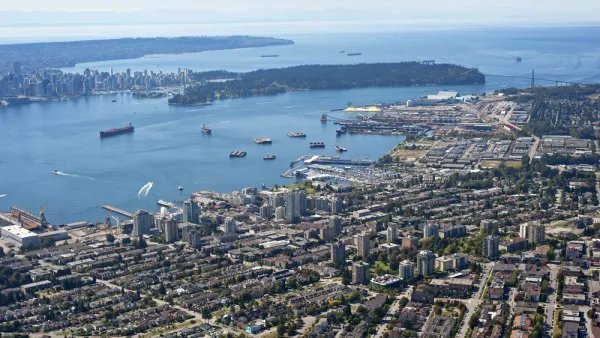
Industrial Meets Residential in New Vancouver Zoning
Vancouver created its MX zone as a solution to a persistent challenge for planners—how to retain industrial jobs and affordable housing in downtowns.
After Keystone Delay, Enviros Challenge Other Pipelines
After successfully stalling the Keystone XL pipeline that would transport tar sands crude from Alberta to Gulf area refineries, environmental activists are targeting other proposed pipelines, although the result may be more crude-by-rail shipments.
Study Provides Lessons in Bike Lane Politics
Eric Jaffe examines the successful (on the third try) bike lane on the Burrard Street Bridge in Vancouver as a case study in pushing a difficult project through to completion.
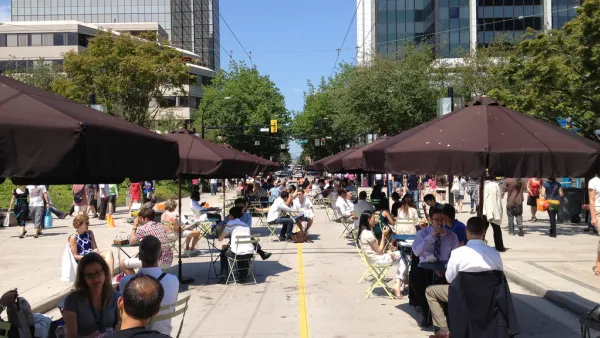
What Can Vancouver Teach Melbourne?
Melbourne has topped numerous global lists for its quality of life, but it certainly has room to improve. Former Vancouver Planning Director Brent Toderian sees lessons from his hometown for the world class city down under.
An Ancient, Neighborhood-Based Technology could Heat Vancouver
A system similar to that which heated Roman baths could become a key cog in the future of heating in Vancouver, British Columbia.
U.S. Supreme Court Approves California's Low Carbon Fuel Standard
A key regulation in California's war on global warming emissions withstood a major court challenge by the energy industry—both oil and corn ethanol—when the U.S. Supreme Court declined to hear their challenge to an Appeals Court ruling on June 30.
Foreign Investors Driving Up Housing Costs, Creating Zombie Communities
A slew of analysis in recent weeks has examined the negative consequences of foreign real estate speculation in cities like New York City, London, and Vancouver.
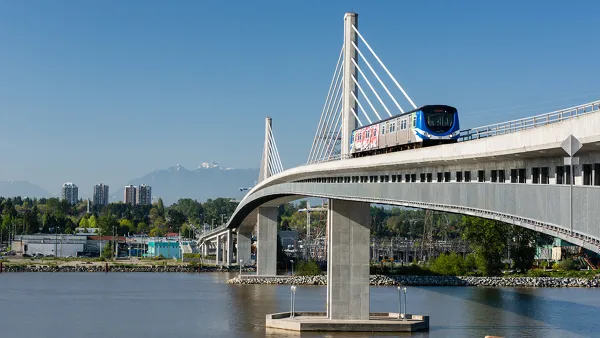
First-Day Ridership Projected at 250,000 for Vancouver's Broadway Subway
City staff recently released revised first-day ridership projections for a proposed subway in Vancouver. The numbers seem astronomical and a strong support for the cause. But can the project get the finding it needs?
Vancouver Could Remove Parking Minimums for Condo Developments
Vancouver’s Transportation 2040 plan allowed for the easing of parking minimums for residential developments in parts of the city, and now city planners are beginning to explore where and how condos can be built without parking.
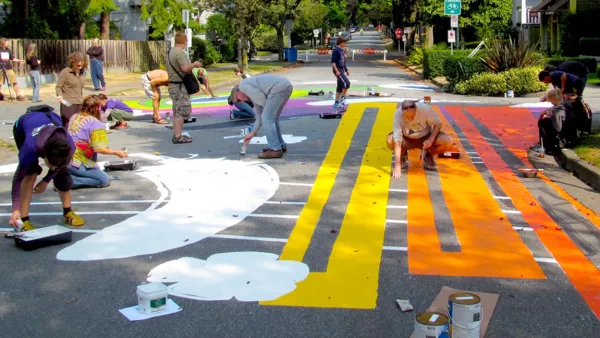
10 Lessons in More Engaging Citizen Engagement
With cities seeking to involve diverse voices in city-making to get beyond “the usual suspects,” Vancouver urbanists Brent Toderian and Jillian Glover examine how cities in their region are finding new ways to increase civic participation.
Should Planners Encourage Diverse Neighborhoods?
In an opinion piece for the Vancouver Sun, a trio of academics argue that, contrary to popular belief, socially mixed neighborhoods can be damaging to the supposed beneficiaries: low-income groups.
Multiple Choice Referendum to Decide Vancouver's Transit Future
British Columbia will proceed with a public referendum on transit spending for the province. In an interesting wrinkle, Premier Christy Clark says the referendum will offer multiple choices. City leaders are concerned about the possible outcomes.
Techniques for Bridging the Activist-Developer Divide
A frank discussion about growth and development at a recent Vancouver forum revealed the extensive common ground shared developers and neighborhood activists, and promising techniques for bridging their traditional divide.
Does Vancouver Ban Herald the Death of the Doorknob?
Amendments to Vancouver's building code adopted in September will require lever handles on all doors in newly built housing beginning next March. Could such code changes soon be adopted far and wide?
And the Award for Worst Traffic Goes to…
Vancouver, Canada, has the worst traffic of any North American city according to the latest TomTom Traffic Index rankings. Los Angeles takes second place.
At West Coast Climate Pact Signing, Brown Justifies His Support for Fracking
Calif. Gov. Jerry Brown has made climate protection a centerpiece of his policy agenda, yet he has also embraced the controversial technology of fracking to tap his state's huge shale oil reserves by signing SB 4. He explains his position here.
Were Vancouver's 2010 Olympics Worth the Investment?
A new report says the investments made in hosting the 2010 Winter Olympics in Vancouver were worth it. But could the area have gotten the same benefits without the Games?
The Corner Store: Mark of a "Dynamic Neighbourhood"
In Vancouver, the presence of corner stores indicates diverse, dynamic, and affordable neighborhoods. But is the disappearance of such stores from neighborhoods across the city a sign that residential areas are becoming unbalanced?

Despite Urban Building Binge, Canada Remains a Country of Suburbs
A high-rise residential building boom has transformed the skylines of Vancouver and Toronto over the past two decades. But despite the evident rise in the popularity of urban living, Canada's suburbs and exurbs continue to dominate growth trends.
How Did Vancouver Decrease its Traffic While Growing its Population?
With its elegant skyline, walkable streets and stunning parks, Vancouver exemplifies great city-making. Add to the list of achievements the city's ability to reduce traffic by 20 to 30 percent since 2006 while growing its population by 4.5 percent.

FREE Course: Walkable City 1: Why Walkability?
After describing his path towards focusing on walkability as the essence of good planning, Jeff Speck marches through his five principal reasons for making more walkable places.
Reinventing Malls: Planning Alchemy—Turning Gray Fields Into Gold
The course focuses on the opportunities and imperatives that shape reinvention of mall sites.

KFH Group Inc.
Greater Baltimore Committee
Eagle County Government
The Architects Foundation
University of Cincinnati Online
The Pocatello Development Authority
The Urban Renewal Agency of the City of Pocatello