Book review: “Women Changing Cities: Global Stories of Urban Transformation” brilliantly demonstrates how feminist urban planning creates spaces that serve everyone.


This review is part of a special collaboration between Planetizen and Booked on Planning, a biweekly podcast where AICP planner Stephanie Rouse and Jennifer Hiatt chat with authors of the latest books shaping urban planning today. Listen to the episode with today’s author in the player below.
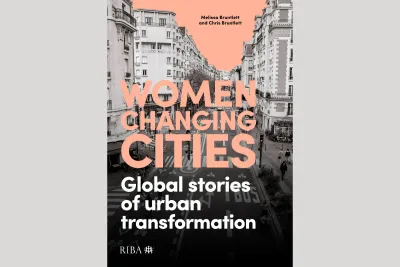
In “Women Changing Cities: Global Stories of Urban Transformation,” urban mobility advocates Melissa and Chris Bruntlett deliver an inspiring exploration of how women leaders are transforming cities around the world. For generations, cities have largely been designed by and for able-bodied, full-time working men. “Women Changing Cities” reveals what happens when that narrative changes. From Paris to Bogota, Barcelona to Manila, the Bruntletts showcase real-world case studies of women who prioritize empathy, care work and accessibility over car-centric infrastructure and status-quo politics.
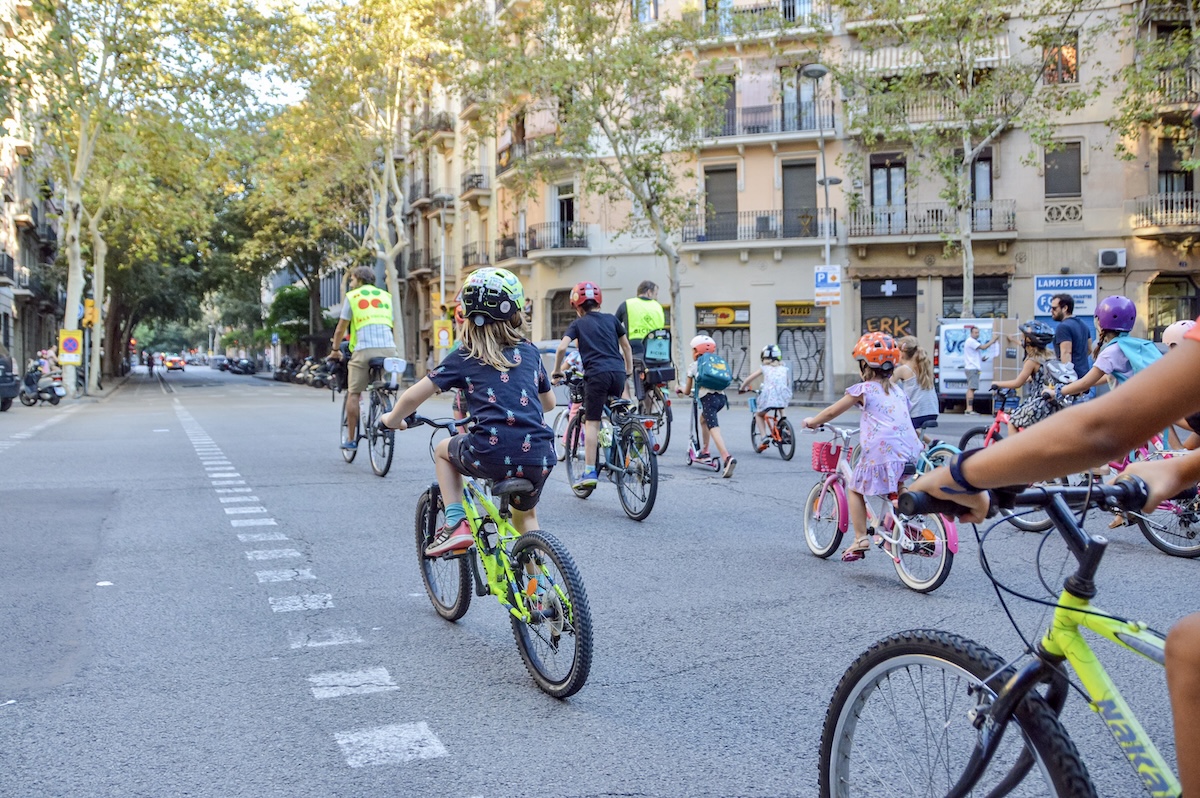
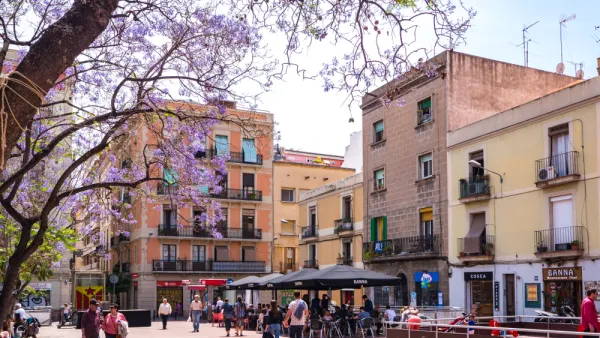
The book focuses on 11 cities, each given its own chapter that highlights a different area of city improvement. We see Barcelona restoring liveability block by block with their famous superblock system, Bogotá building a legacy around care work, Montreal getting ahead of the curve on human-centred design and Delhi digitizing the right to the city.
A few city leaders highlighted in the book focused on the human side of city life. Brussels, for example, highlights the need to endure fierce opposition, Kampala shows how to change attitudes through sheer persistence, Manila is a premier case study in organizing through Biyahenihan, Sydney is assembling an ecosystem of changemakers and Mexico City making room for the generation coming next. The book wraps with Tirana, Albania’s focus on planning around children in a post-communist landscape, and Paris' leaders, who are converting a city for passing through into a city for passing time.
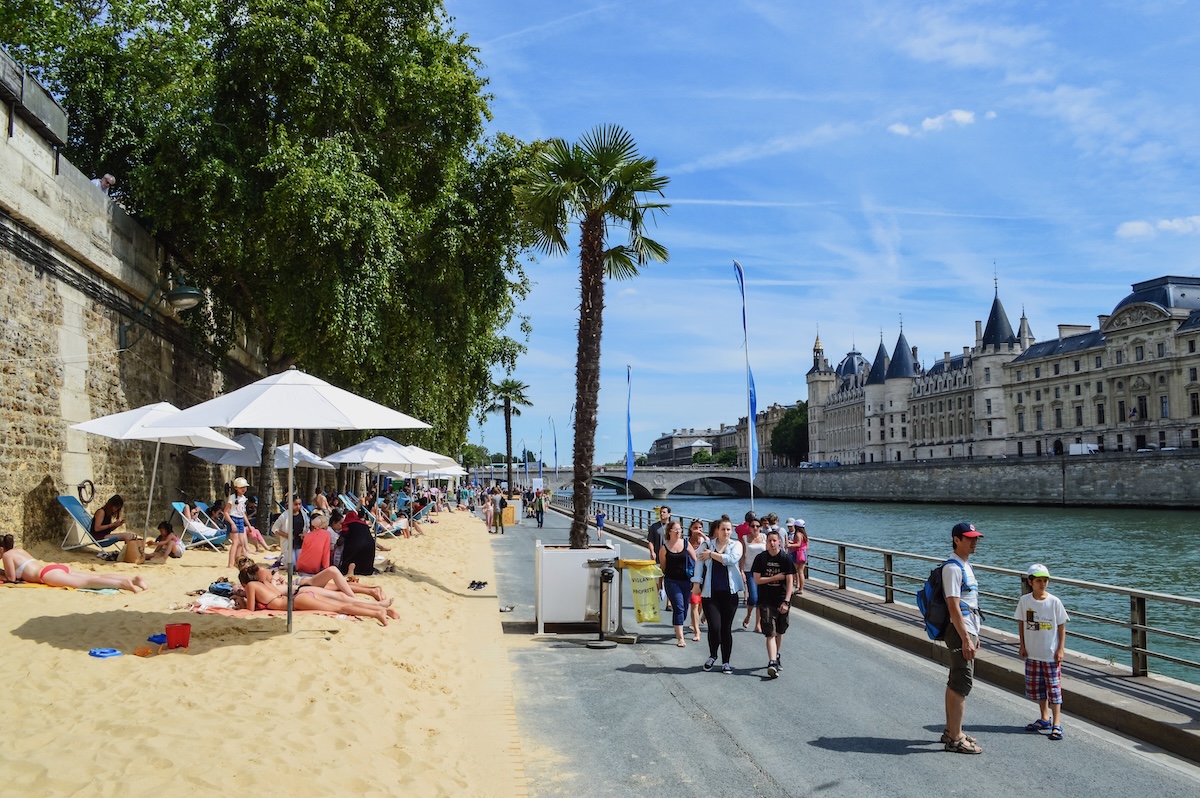
The book demonstrates how feminist urban planning creates spaces that serve everyone — from caregivers with strollers to elderly residents to school children. Readers get an inside look at impactful projects, such as Paris’s “School Streets” or Barcelona’s famous superblocks, showing how public space can be reclaimed for human connection. The stories highlight female leaders who aren’t afraid to make controversial decisions, driving meaningful change despite often intense opposition. While many of the women profiled in the book are elected leaders with the most power in their communities to push change forward, several cities show how local advocates and concerned residents can also lead the way to create more sustainable and equitable communities.
The Bruntletts write with warmth, clarity and optimism. They combine well-researched policy insights with rich personal narratives that make complex urban concepts accessible to anyone interested in community building, gender equity or sustainable development. The book would make a great coffee table addition as it is filled with images from their travels, allowing anyone who picks up the volume to see these communities firsthand and get a good look at how women-led cities are creating meaningful improvements and change.

Wayfinding Symbols Across the World
Metro stations, train stations and streetcar systems have distinct ways of showing how to get from one area to another. TheCityFix's Jonna McKone looks at mass transit systems from Mexico City to Paris and the visual representations used in each one.
Could Los Angeles Emulate Barcelona’s ‘Superblocks’?
A proposal in the city council could bring the ‘superblock’ model to Los Angeles, opening up neighborhood streets to more biking, walking, and public amenities.

From Paris to Portland: The 15-Minute City Goes Mainstream
Raising the bar on the 20-minute neighborhood model, cities around the world are embracing the appeal of the 15-minute city during the coronavirus pandemic.

Planetizen Federal Action Tracker
A weekly monitor of how Trump’s orders and actions are impacting planners and planning in America.

California plans to bury El Niño’s downpour
If the state plays its cards right, it may be able to store a billion acre-feet of El Niño’s water in aquifers.

Desperate measures: Advocates weigh draining Lake Powell to fill Colorado River
Draining the reservoir could reduce evaporation losses by a couple hundred thousand acre-feet.

California city breaks ground on transit connector
The project includes three mobility hubs and a pedestrian bridge.

After public outcry, Massachusetts city releases housing development tracker
Cambridge’s tracker currently shows 250 housing projects in various stages of development.

40 years after approval, Chicago breaks ground on new park
The park honors Jean Baptiste Point du Sable, the city’s first permanent non-native settler.

FREE Course: Walkable City 1: Why Walkability?
After describing his path towards focusing on walkability as the essence of good planning, Jeff Speck marches through his five principal reasons for making more walkable places.
Reinventing Malls: Planning Alchemy—Turning Gray Fields Into Gold
The course focuses on the opportunities and imperatives that shape reinvention of mall sites.

City of Rosemead
Rutgers University, Edward J. Bloustein School of Planning and Public Policy
One Hundred Miles
Hunter College, City University of New York (CUNY)
The Architects Foundation
University of Cincinnati Online
City of Cambridge
Montrose County
The Pocatello Development Authority

