That’s right, you heard me.



This column is a delightful bonus installment of an eight-part series in partnership with Chicago-based transit planner extraordinaire Joshua Woods, who authors Thoughts About Cities. Titled “Transit Planning 101,” it’s the transit planning boot camp you wish you got in planning school. Learn more about Joshua and the inspiration for the column, and read his other installments here.
An excerpt from my recent Planetizen column, “What is Good Transit”:
This is by no means an exhaustive list of what makes Good Transit, but a transit authority that provides service that is available, reliable, fast, and safe is probably providing what its passengers would consider Good Transit.
Honorable mentions:
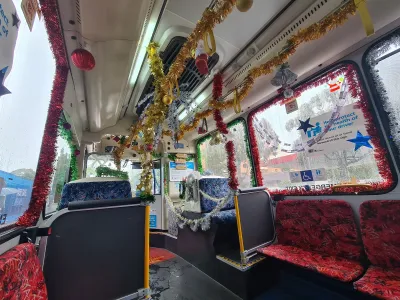
- Good Transit is fun. The Kansas City Streetcar Authority hosts the KC Streetcar Holiday Jam annually, with live musical performances on select trains.
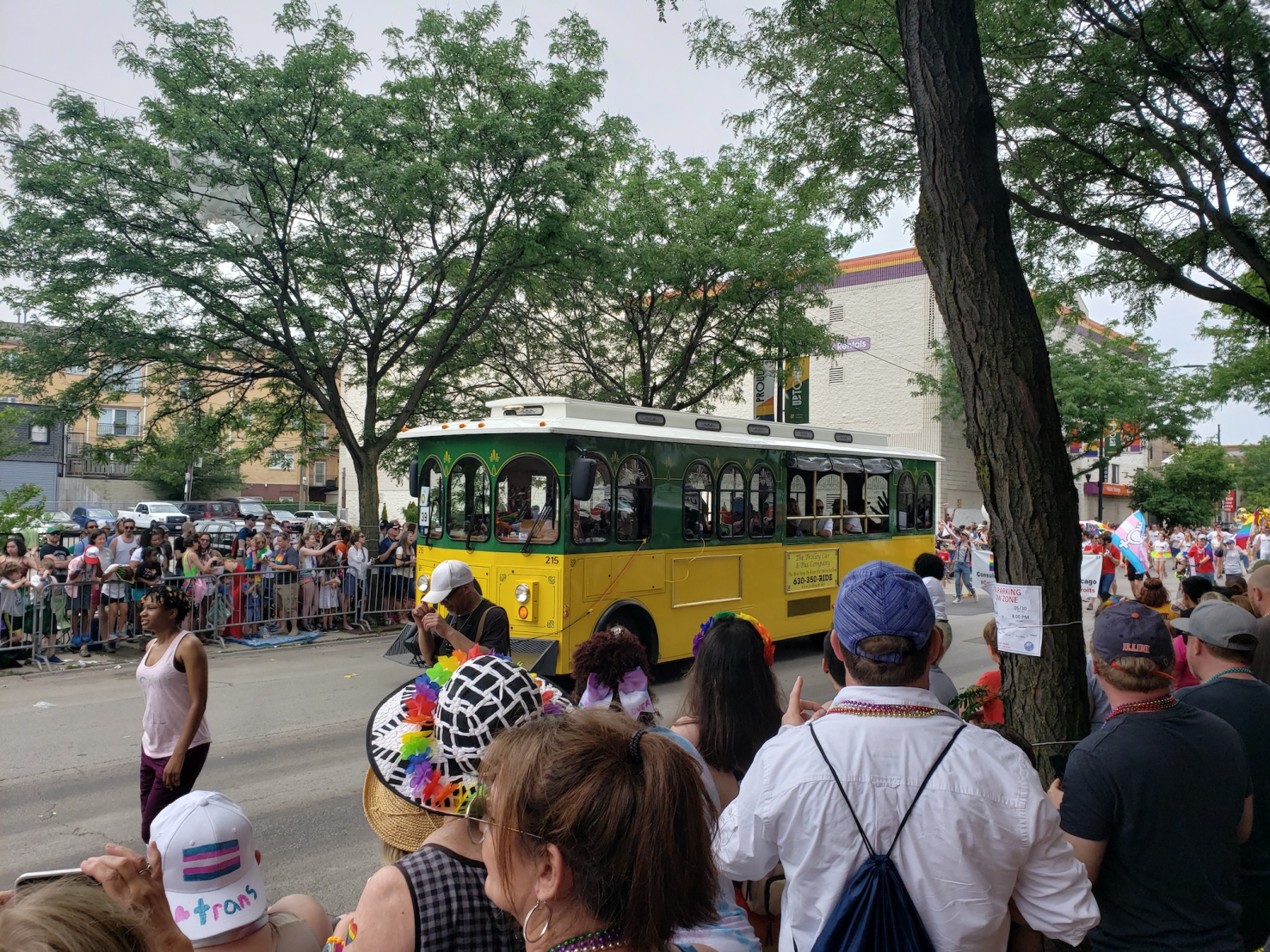
So I might have buried the lede a little bit about my being a part time bus driver. Some of the buses that I drive are actually replica trolleys. I’ve even done the whole narrated sightseeing tour gig complete with the ugly headset, and stuck-in-traffic banter. Yes, there is a bell and, yes, I will ring it. Happily.

There are plenty of good reasons to charter a bus. If you’re planning an event where a good number of people are all going to the same place, a bus might be the easiest solution. You immediately throw out ~30% percent of the utility behind those reasons once you reach for a trolley. Yes, the vehicle is nostalgic and kitschy, but those wooden seats are hell on your back, the thing hits bumps with everything it's got, it’s 90 percent blind spot, and there’s a reason you rarely see them going over 40mph. People rarely want to open the sides to make it an open air experience because it’s either too hot, too cold, or too windy.
Still, after driving trolleys for the past few years, it still amazes me how reliably people go crazy for trolleys. If I pull up in a climate controlled J4500 bus with reclining leather seats and tv screens…
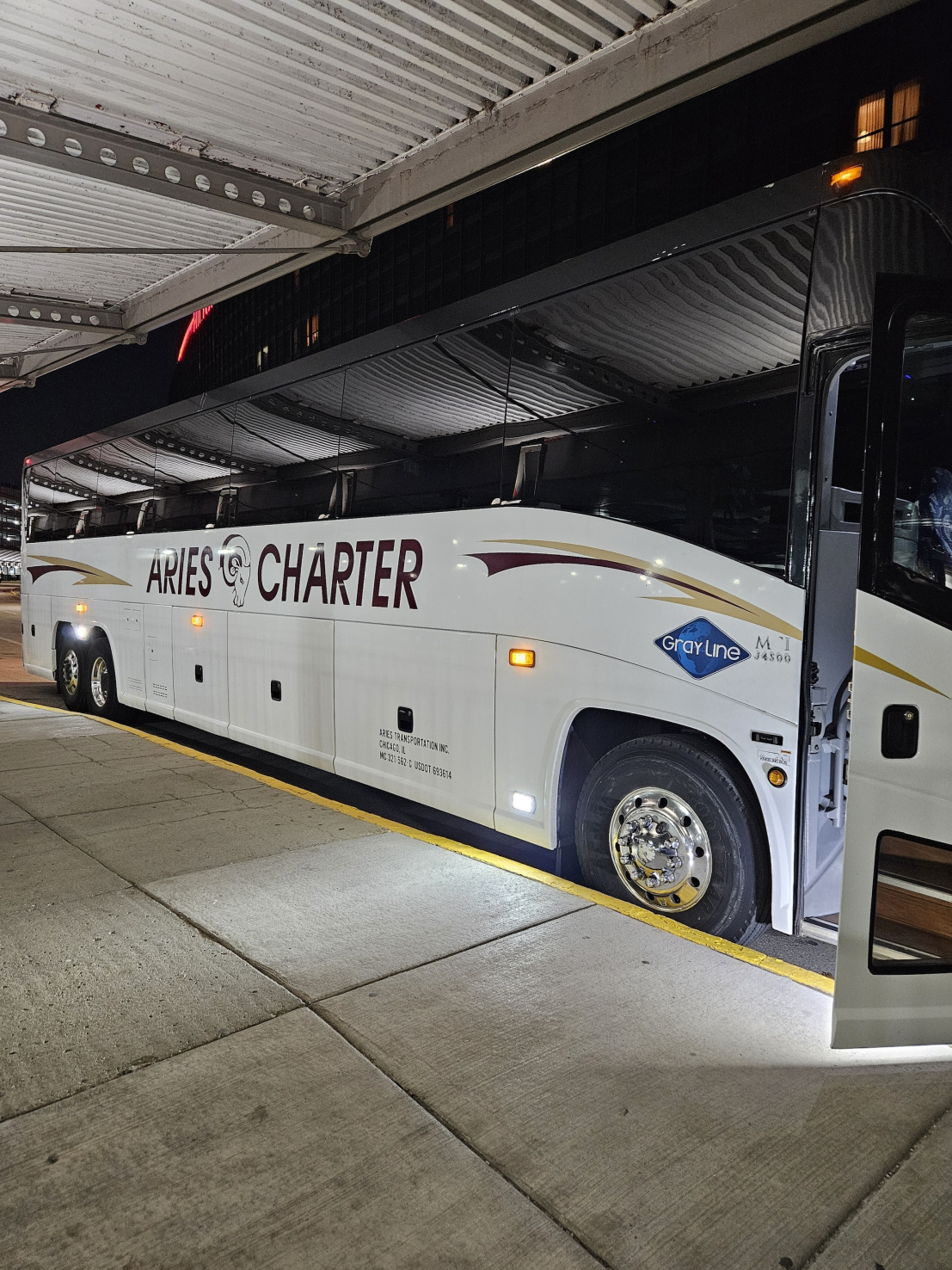
…I might get a “nice bus,” particularly if it’s a brand new bus. I can pull up late in a trolley in nearly any condition and people go NUTS. Particularly vocal subgroups include kids, parents looking for free/cheap things to do with their kids, older people and drunk people.
Why do people love trolleys? Because trolleys are fun.
More than that, trolleys signal that something fun is about to happen. However serious you think your day is about to be, take it down about 15 percent because you’re about to get on a ridiculous vehicle, and likely do a ridiculous thing.
The company I drive trolleys for also operates regular commuter shuttles between office buildings and the commuter rail stations serving downtown Chicago. These shuttles typically use refurbished transit buses or motorcoaches, but occasionally, we’ll have to throw a trolley on a route to cover for a downed bus (a bus is a bus after all). When this happens, it’s rewarding seeing the passengers, maybe downtrodden by the past 8 hours, perk up when they realize their bus ride to the train is going to be a trolley ride today. Even if it gets a little cold, or their hair does get blown about a bit, once they’re back home, maybe under a blanket with a warm beverage, they’ll probably reflect on the fact that they had an impromptu trolley ride and smile.
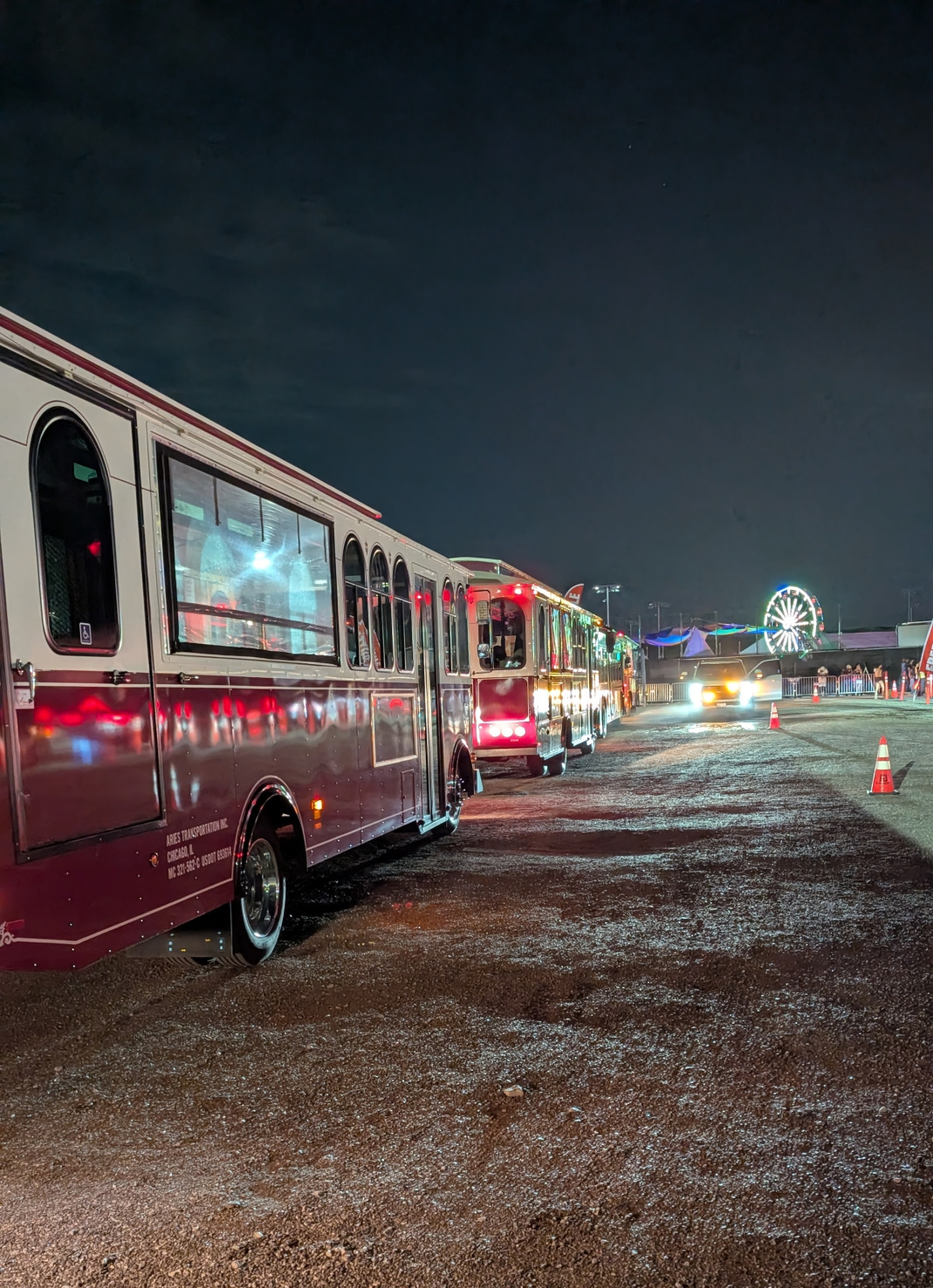
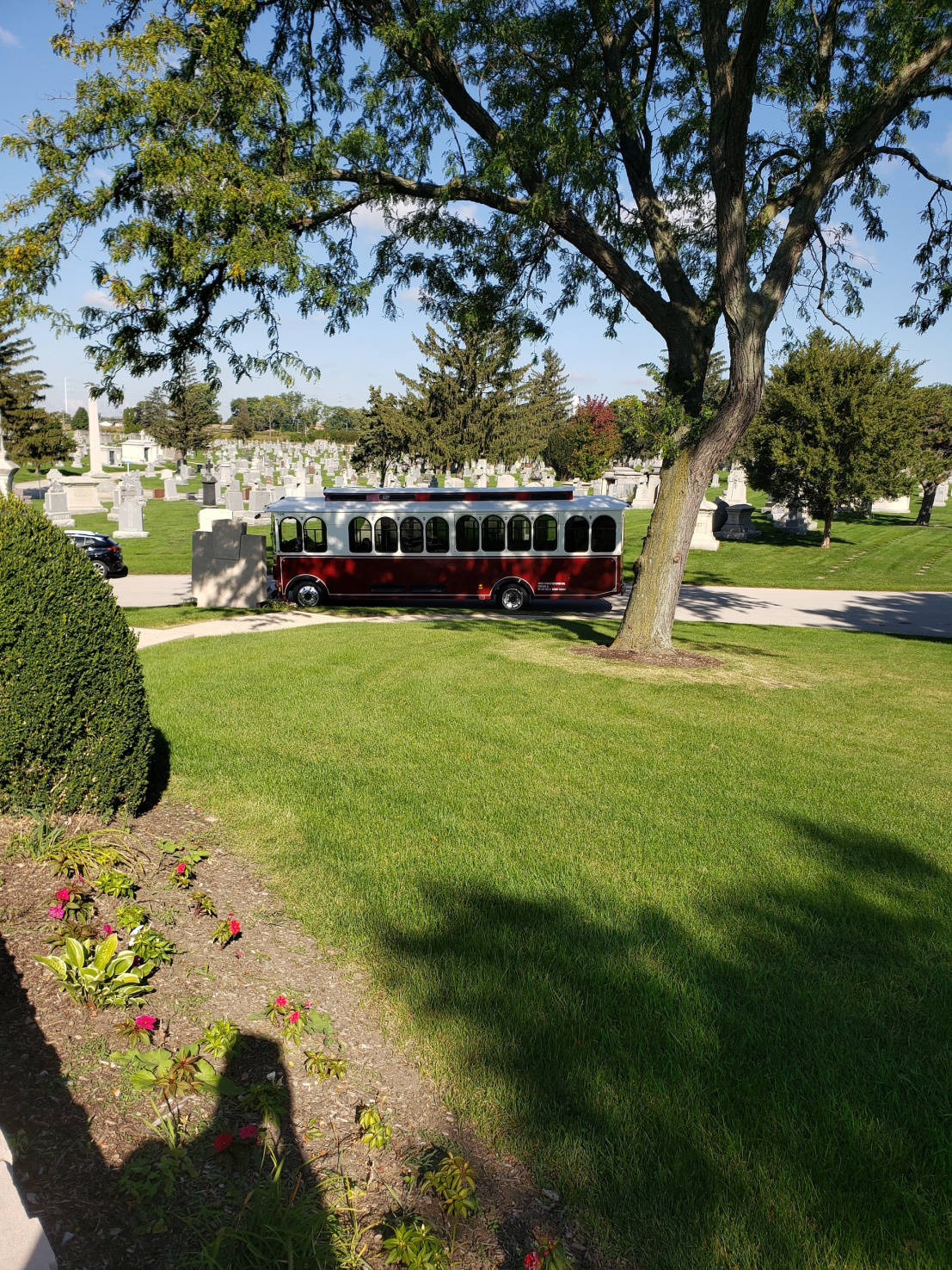
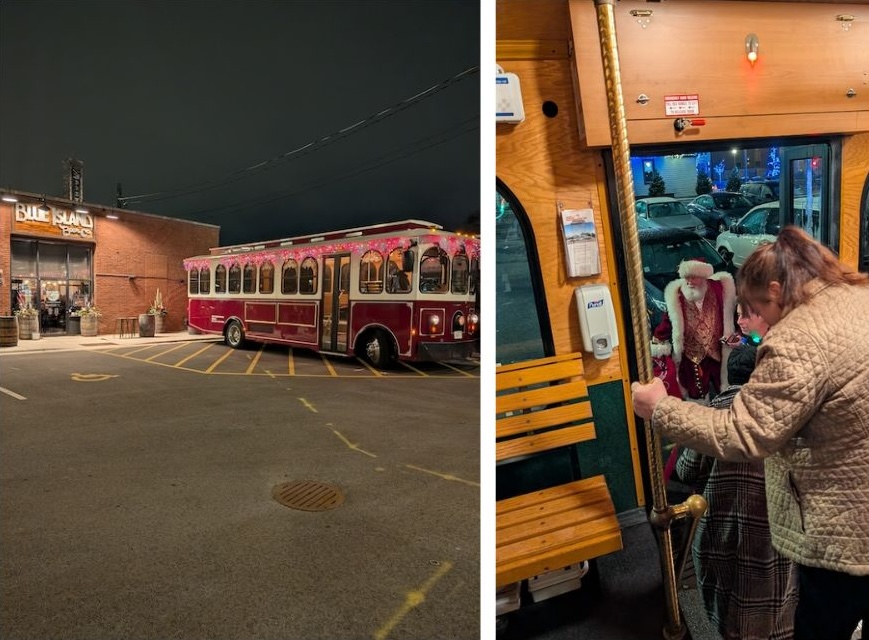
A lot of the discussion around public transit in the United States centers around providing the transit service that people need or, lately, preserving the service that currently exists, because people need it to get around. In our pursuit of transit that people need, we often overlook the transit that people want. In a moment where we’re asking the public to pitch in a few more of their hard earned tax dollars to save transit, there’s easier political capital to be found leaning into what people want, than projecting a version of what they need onto them. If people want a trolley, then tastefully give them a trolley.
Aside: I think this is where microtransit shows value. It leaves people with a broader view of what public transit can be, and, if done well, a positive association with transit. Throw in a gimmick like cute little electric GEMs around a cute town square, and you’re getting dangerously close to fun.
The limits of a gimmick
I think gimmicks get a bad rap. In its most benign form, a gimmick is just a tool for drawing a little attention. A little razzle dazzle for the people. A tchotchke. For a well run transit authority delivering Good Transit, a tasteful gimmick, like a tourist-oriented route that operates trolleys, or a super artistic bus wrap, or a fully electrified bus route or two, signals that they can provide high quality transit service, with a little razzle dazzle.
Conversely, for a poorly run transit authority not delivering Good Transit, a gimmick signals more of the same...

If, in your pursuit of making transit fun, you find yourself questioning a gimmick, here’s my guidance:
- Make sure there’s something worthwhile behind the gimmick. People don’t dislike a gimmick. They dislike being ripped off. At the end of the day, people just want to get there. Someone attempting to rely on transit that is NOT reliably getting them where they need to go, is not going to be amused by a gimmick. Worse still, someone that tried transit on account of a gimmick and found themselves stranded might make up their mind on transit for good.
- Don’t overdo it. One tchotchke is a cute lens into your background. Fifty tchotchkes are eclectic at best, tacky at worst. To continue with trolleys, some transit agencies, in an effort to make their system feel fun and cool and approachable, will run all of their routes with trolleys. This approach often overshoots fun (especially if the trolley comes hourly) and threatens a maintenance nightmare. Trolleys are a specialized fleet with unique maintenance requirements. They also represent vehicles that might not be interoperable throughout the system. Make sure you have the maintenance bandwidth to support this before making a decision like procuring a fleet of trolleys. In general, if the gimmick threatens Good Transit, it’s not worth it.
- Make sure your people actually think it’s fun. This gets down to knowing the public that ride the system, and bus drivers that drive the routes. I mentioned earlier that people go nuts for trolleys. I’ll admit, I was being a bit hyperbolic. While most people go nuts when I pull up with a trolley, there are days I pull up and the people get on without a word about it. It just doesn’t do it for some people, and that’s fine. Learn what reads as fun in your community. The fun part? This advocates for experimentation and iteration.
The ultimate example of good transit being fun
I frequently end my I Hope This Helps roundup pieces with “a moment for whimsy,” where I try to share something lighthearted and unserious I encountered that reminded me to leave space for levity. I do this to combat the impulse to assume that serious times require serious solutions that must come from someplace serious. A wise oracle once said, “I learned early on — don’t take life too seriously. There are things you should take seriously like loving yourself, allowing other people to love you, which is a big one. Most of the other things are really not that serious.”
In that spirit, a master class in blending Good Transit, gimmicks, and fun. Disney Transit.

What Is Good Transit?
Good Transit is frequent. Good Transit is reliable. Good Transit is (reasonably) fast. Good Transit feels safe.

Fisticuffs: The argument AGAINST fare-free transit
If a terrible bus becomes free, will it truly free you?
It's a Bus! It's a Van! It's… Microtransit?
Microtransit is in vogue. Cultivating a strong understanding for what it can and can't do will help prevent you from getting rizzed up by this charismatic mode of transportation.

Planetizen Federal Action Tracker
A weekly monitor of how Trump’s orders and actions are impacting planners and planning in America.

Amtrak, CN end decades-long dispute with eight-year agreement
The new operating agreement establishes an updated framework for the companies to work together, including processes to resolve disputes.

Nation's most wind-powered state turns to coal as data centers increase energy demand
For the first time in decades, Iowa has increased its generation of coal power.

Alabama scores up to $2.5 billion federal loan for largest infrastructure project in state’s history
The Mobile River Bridge and Bayway Project aims to ease congestion at Alabama’s worst bottleneck.

Trump is considering data centers on 6 states' public land — some state officials say they had no idea
If the administration approves the proposed projects, data center and data center-related developments will cover 17,600 acres of public land.

Despite court ruling, Trump is keeping nearly all wind projects in the US on hold
At least 110 wind energy projects have not heard from the government since a federal judge ruled that the Trump administration's freeze on wind turbine clearances was likely illegal.

FREE Course: Walkable City 1: Why Walkability?
After describing his path towards focusing on walkability as the essence of good planning, Jeff Speck marches through his five principal reasons for making more walkable places.
Reinventing Malls: Planning Alchemy—Turning Gray Fields Into Gold
The course focuses on the opportunities and imperatives that shape reinvention of mall sites.

KFH Group Inc.
Greater Baltimore Committee
Eagle County Government
The Architects Foundation
University of Cincinnati Online
The Pocatello Development Authority
The Urban Renewal Agency of the City of Pocatello

