Asia-Pacific
China, Japan, other South East Asian countries, Australia, New Zealand, and Pacific Islands countries.
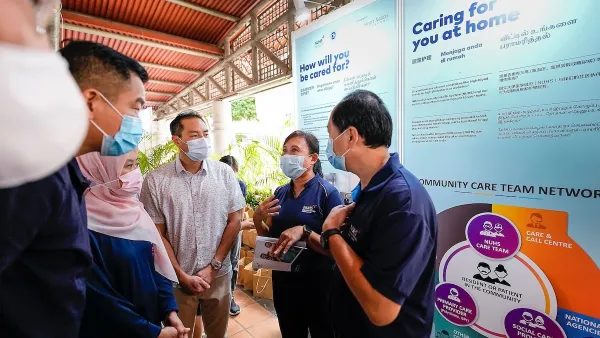
The city is the health system
Your healthcare system treats you after you get sick. Your city decides whether your health declines at all. Singapore is proving that planning is preventive medicine.
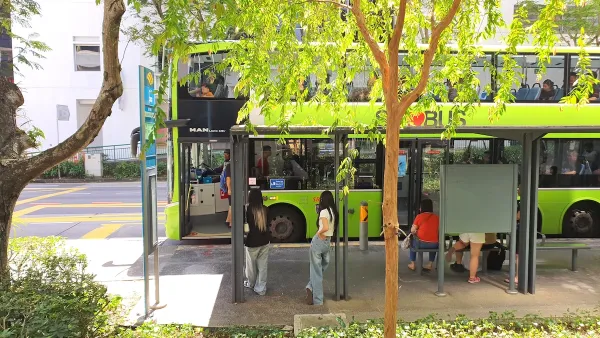
Eating, littering on Singapore buses now a fineable offense
Passengers who put other riders in danger may be charged thousands of Singapore dollars.
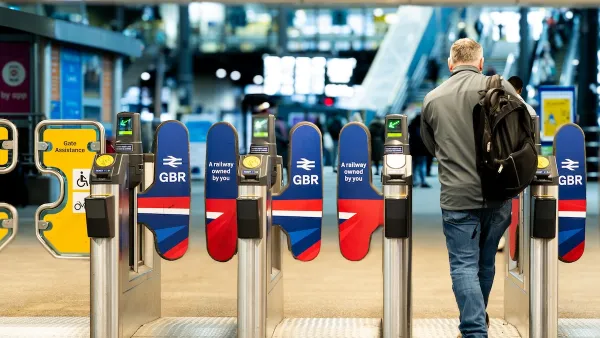
To privatize, or not to privatize? Lessons from Britain and Japan's railways
When Britain and Japan faced the consequences of monopolistic public transit, both countries divided their transit up into regional private companies — and saw very different outcomes.
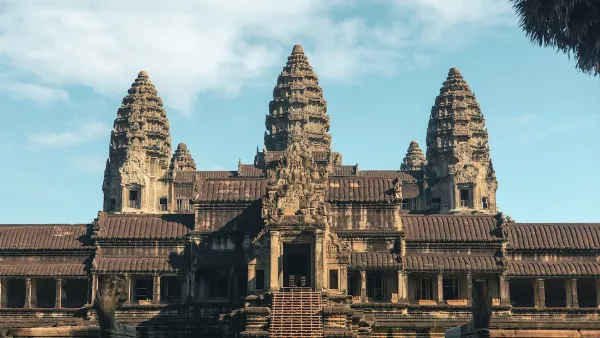
What the fall of earth's largest pre-industrial city can teach us about urban sprawl
Angkor was a low-density metropolis. It lasted six centuries, until it could no longer maintain its infrastructure in a changing climate. Today, it offers planners a sobering warning about the risks of dispersed urban living.
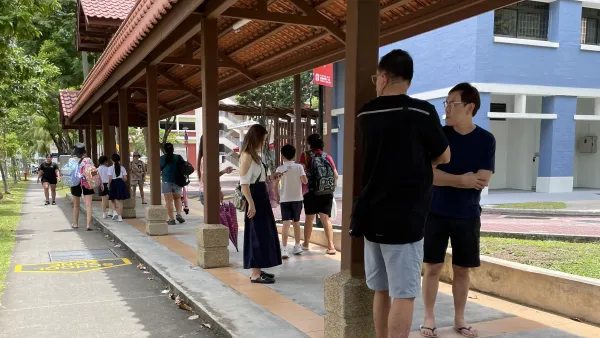
Singapore's secret to keeping transit cool in sweltering heat
The tropical city state known for superior transit has a tip or two for keeping transit manageable as cities heat up.
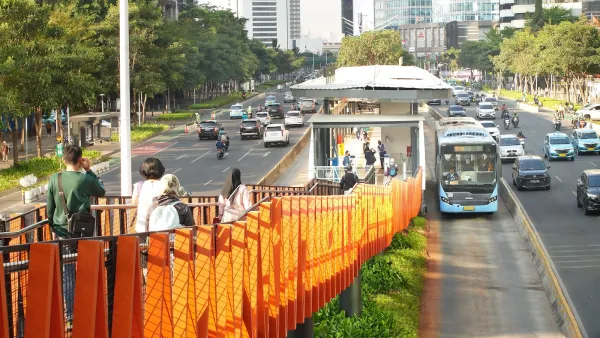
How Jakarta built the world's largest BRT system
Once known for total gridlock, the Indonesian capital has transformed itself into a public transit leader.

Japan’s bullet trains to debut private pods with 5G wifi windows, “invisible audio bubbles”
The compartments have “personal sound zones” with noise-cancelling technology embedded in the seats, and wifi-infused glass that promises interruption-free streaming and video calls.
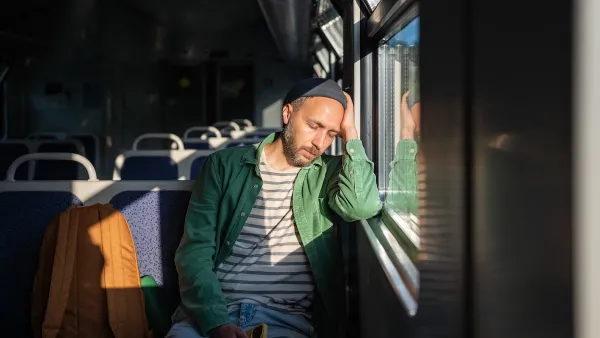
Study: Cramped Quarters Worsen Sleep — but not as Much as Long Commutes
A Japanese study links commutes over 50 minutes to higher rates of insomnia and daytime sleepiness.

Sea Level Rise is Drowning This Pacific Island Nation; They Have a Plan
The nation of Tuvalu has created an ambitious plan to relocate its entire population and preserve key cultural and historic resources as rising seas threaten to wipe it out within three decades.
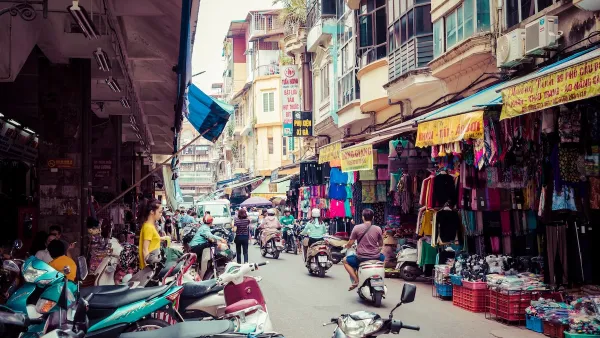
Hanoi to Ban Gas-Powered Two-Wheelers, Later Cars
City officials hope that electrifying motorcycles, a ‘lifeblood’ of Vietnamese transportation, will have a positive impact on air quality and noise in the city’s downtown.
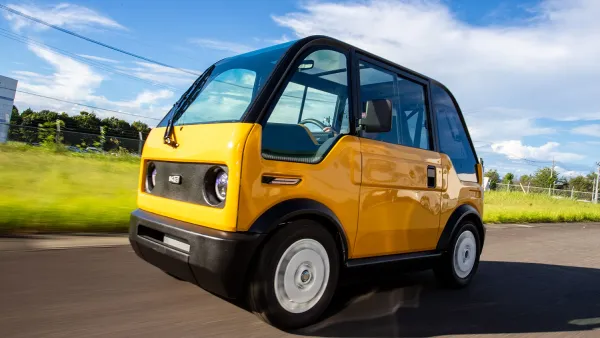
The Tiny, Adorable $7,000 Car Turning Japan Onto EVs
The single seat Mibot charges from a regular plug as quickly as an iPad, and is about half the price of an average EV.
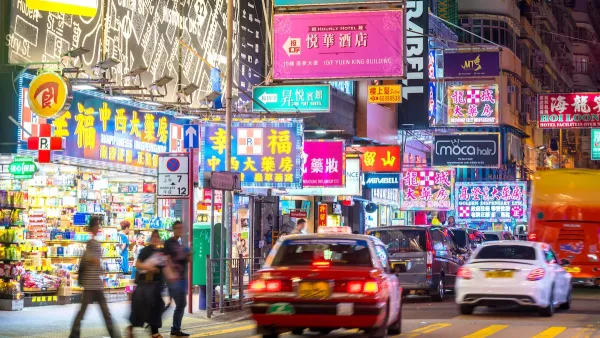
Hong Kong Cab Hailing App Folds — and Uber Takes Over
HKTaxi launched a year before Uber came to town. Now, it’s shutting down. Lawmakers worry a monopoly looms.
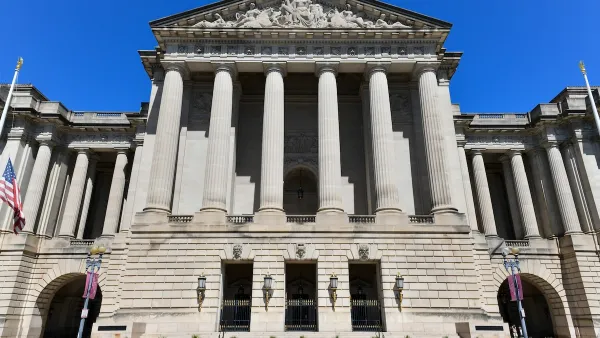
Advancing the National Asian Pacific American Museum
Supporters are mobilizing, fundraising, and facilitating the creation of a compelling Congressional report to secure authorization for a Smithsonian museum that represents and preserves the diverse histories and cultures of Asian Pacific Americans.
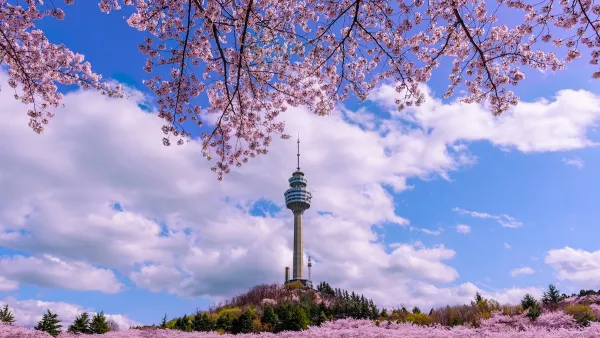
Seoul’s Urban Parks Blossom with Books
The Reading in Seoul Garden event invited residents to enjoy free reading and relaxation activities, including digital and live programs, in scenic parks, fostering a sense of community amid the city’s autumn landscapes.
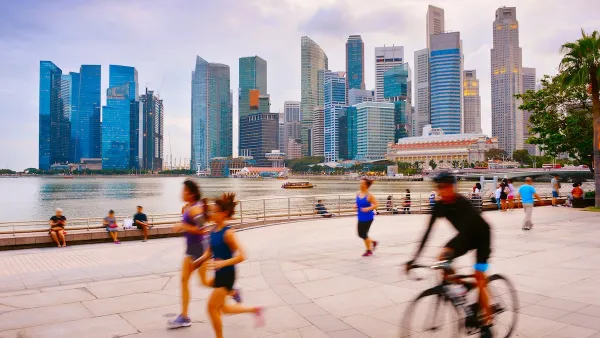
Singapore: A Model for Longevity and Quality of Life
Singapore's remarkable rise in life expectancy, driven by government policies on health, green spaces, and social cohesion, has earned it the distinction of being named the world's sixth “Blue Zone.”
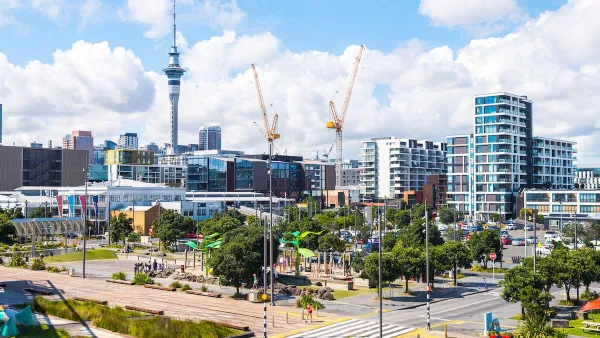
New Zealand Zoning Reform Targets Housing Production
New national rules will prevent local councils from limiting development in an effort to ease the nation’s housing crisis.
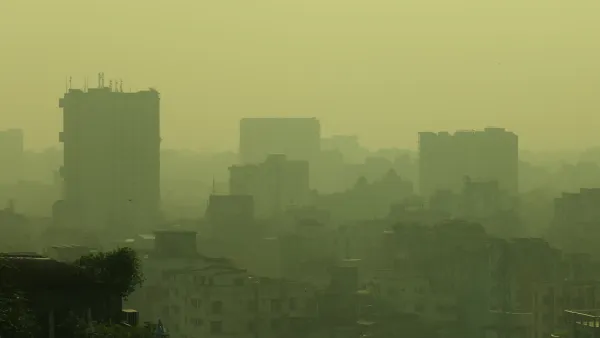
Air Pollution World’s Worst Public Health Threat, Report Says
Air pollution is more likely to take years life off the lifespan of the average human than any other external factor, according to a recent report out of the University of Chicago.
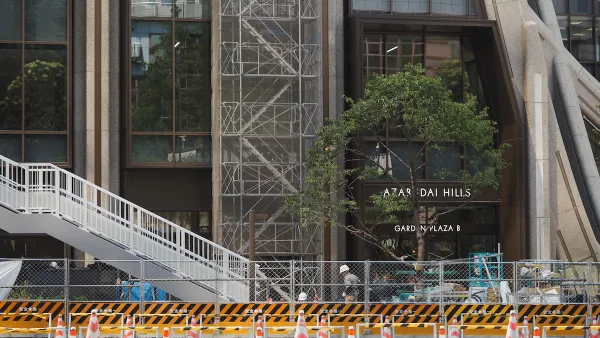
A New Tallest Skyscraper for Japan
The Toranomon-Azabudai reaches 330 meters into the sky, far lower than international standards but taller by 30 meters than the previous tallest building in Japan.
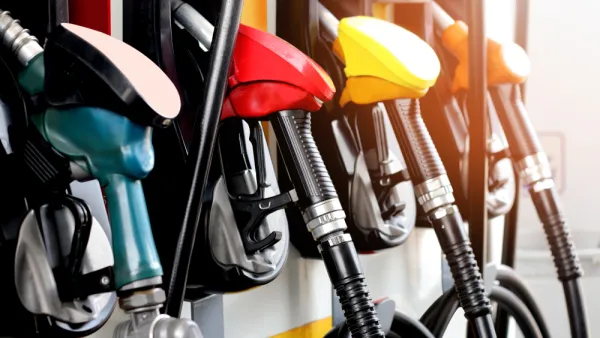
OPEC Plus Decision to Reduce Oil Output Could Lead to Global Recession
A decision earlier this month by a group of the world's largest oil exporters to drastically reduce oil production to stem the decline in oil prices could be a ‘tipping point’ for a global recession, says the International Energy Agency.
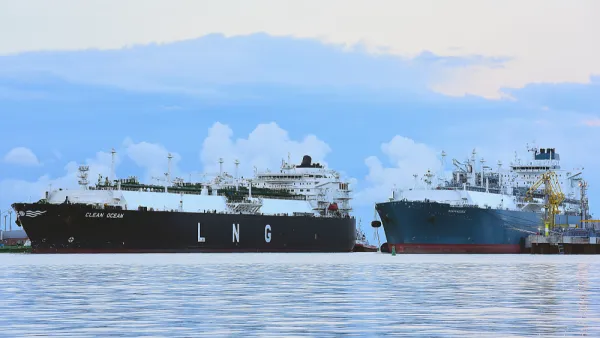
Europe's New Energy Infrastructure Begins to Emerge
When Russia invaded Ukraine on February 24, Russian President Vladimir Putin hoped to quickly redraw national boundary lines in Eastern Europe. The region's energy infrastructure, particularly pipelines carrying natural gas, may change sooner.

FREE Course: Walkable City 1: Why Walkability?
After describing his path towards focusing on walkability as the essence of good planning, Jeff Speck marches through his five principal reasons for making more walkable places.
Reinventing Malls: Planning Alchemy—Turning Gray Fields Into Gold
The course focuses on the opportunities and imperatives that shape reinvention of mall sites.

City of Rosemead
Rutgers University, Edward J. Bloustein School of Planning and Public Policy
One Hundred Miles
University of Michigan School for Environment and Sustainability (SEAS)
Hunter College, City University of New York (CUNY)
The Architects Foundation
City of Cambridge
Montrose County
The Pocatello Development Authority









