Passengers who put other riders in danger may be charged thousands of Singapore dollars.


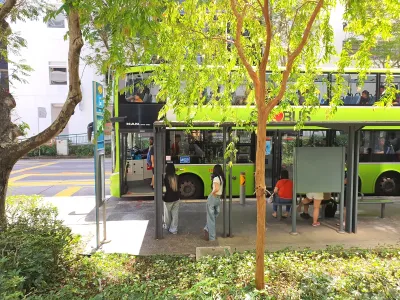
Singapore bus passengers may be fined hundreds of Singapore dollars for playing music out loud or having conversations on speakerphones as part of a crackdown on “disruptive” behavior, Lex Harvey writes for CNN Travel. Eating, drinking, putting one's feet up on the seats or littering are also fineable behaviors, costing riders up to 500 Singapore dollars, or $390.
“Serious offenses like causing danger to fellow commuters or ‘the soiling of any part’ of a bus or other transit infrastructure carry a maximum penalty of 5,000 SGD,” CNN Travel reports.
These penalties for bus riders were already in place on Singapore’s subway system. A statement from the Land Transit Authority, which oversees public transit in Singapore, reads, “Public transport is a shared space, and every commuter has a part to play in ensuring a gracious and pleasant commuting environment.”
Read the full story: Listening to loud music on a Singapore bus? It’ll cost you

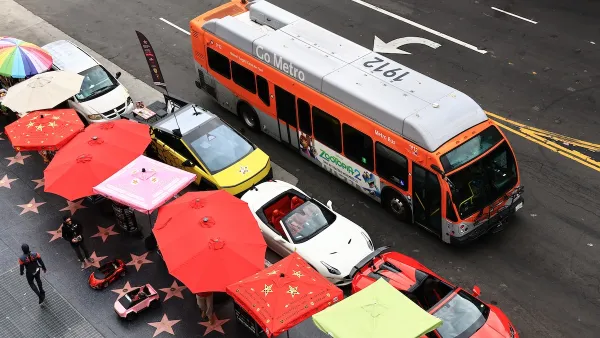
LA Metro’s ultimatum: no extra buses for LA28 if federal funding isn’t imminently secured
If Metro does not provide additional buses, LA28 organizers will have to find a new way to manage Olympic traffic. LA28’s budget does not include a line item for transit.
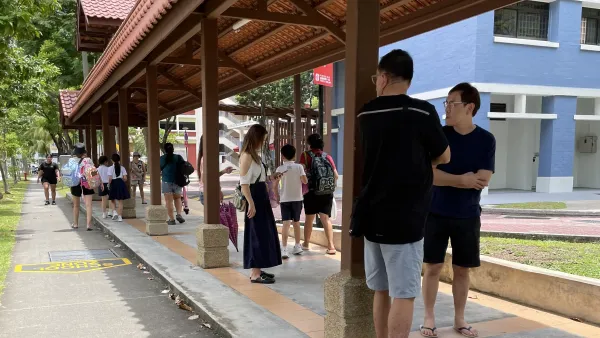
Singapore's secret to keeping transit cool in sweltering heat
The tropical city state known for superior transit has a tip or two for keeping transit manageable as cities heat up.
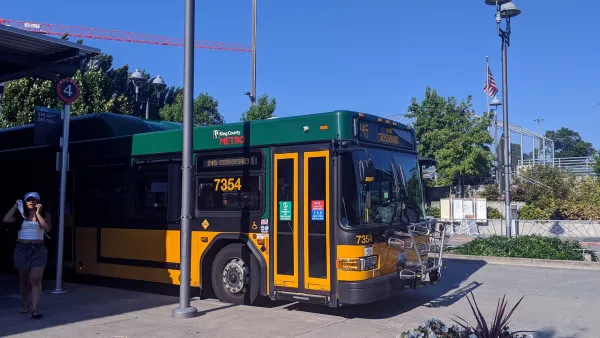
King County Metro adds 3,000 weekly bus trips, more connections to rail
King County Metro and Sound Transit are both making major adjustments to their bus networks to improve light rail connectivity across the region.

Planetizen Federal Action Tracker
A weekly monitor of how Trump’s orders and actions are impacting planners and planning in America.

Amtrak, CN end decades-long dispute with eight-year agreement
The new operating agreement establishes an updated framework for the companies to work together, including processes to resolve disputes.

Northwest rail fans eager for Sept. 30 debut of Amtrak’s Airo fleet
Get ready for that new train smell and more seats. But they won’t go faster or run more frequently on the Cascades route in Washington and Oregon.

This rural Oklahoma town doesn’t want a data center. It may not be able to stop the project
With the project outside city limits and little county oversight of unincorporated land, officials are considering measures to gain local control.

Trump administration unlawfully slashed $7 billion in clean energy grants, judge rules
The Environmental Protection Agency ended the Solar For All program, which provided the grants, after President Donald Trump’s inauguration.

Record-breaking wildlife overpass in Colorado brings 91% reduction in animal collisions
Prior to the overpass, vehicles were hitting one deer per day on Colorado’s Interstate 25.

FREE Course: Walkable City 1: Why Walkability?
After describing his path towards focusing on walkability as the essence of good planning, Jeff Speck marches through his five principal reasons for making more walkable places.
Reinventing Malls: Planning Alchemy—Turning Gray Fields Into Gold
The course focuses on the opportunities and imperatives that shape reinvention of mall sites.

City of Thousand Oaks
City of Wisconsin Rapids
Harvard University Graduate School of Design
The Architects Foundation
University of Cincinnati Online
The Pocatello Development Authority
The Urban Renewal Agency of the City of Pocatello