The nation of Tuvalu has created an ambitious plan to relocate its entire population and preserve key cultural and historic resources as rising seas threaten to wipe it out within three decades.


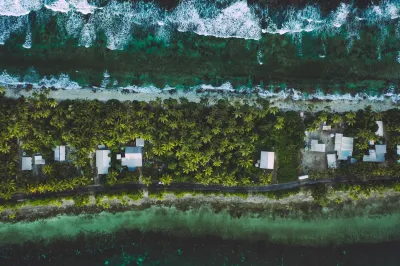
The Pacific nation of Tuvalu is planning a wholesale relocation as it faces the prospect of being submerged due to sea level rise within the next 25 years.
As Fernanda González explains in Wired, “The country’s average altitude is just 2 meters above sea level, making it extremely vulnerable to rising oceans, flooding, and storm surges, all exacerbated by the climate crisis.”
The nation of 11,000 is now working with Australia on an unprecedented climate visa program that will allow 280 Tuvaluans to move to Australia as permanent residents each year. “Penny Wong, Australia’s foreign minister, said in a statement that the program gives Tuvaluans a chance to settle in Australia ‘with dignity as climate impacts worsen.’ She added that this initiative reflects the deep trust between the two nations and that Tuvaluans are expected to make a valuable contribution to Australian society.”
Tuvalu is also creating 3D scans of its islands and moving government functions to digital environments in order to preserve its national identity and, potentially its sovereignty as a ‘virtual state.’
Other island nations will need to make similar plans as sea level rise threatens low-lying countries all over the world. “For example, sea levels in the Gulf of Mexico have recently risen at three times the global average, according to a study published in Nature in 2023.”
FULL STORY: The First Planned Migration of an Entire Country Is Underway

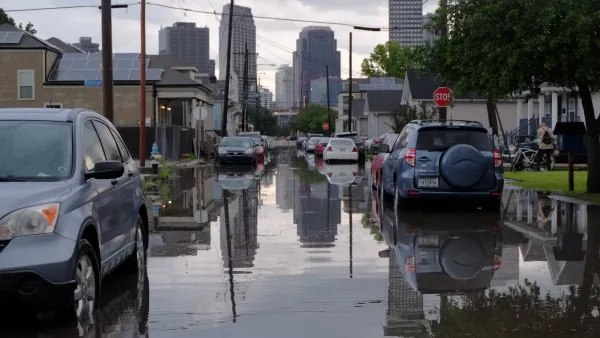
Study: New Orleans sea level rise is at 'point of no return'
Research shows that the city could be surrounded by water by the end of this century.
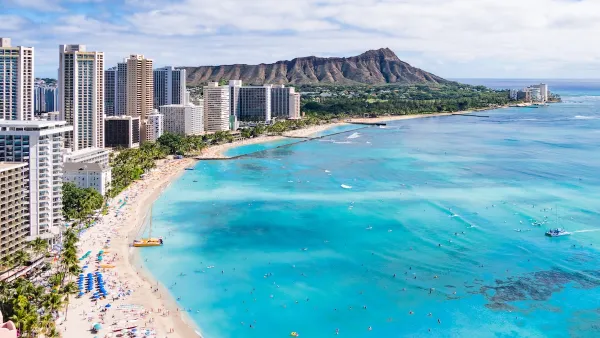
Rising Above: Innovative Solutions for Waikīkī’s Sea-Level Challenges
The University of Hawaiʻi at Mānoa’s award-winning Waikīkī sea-level rise adaptation project combines science, architecture, and community input to create scalable solutions for climate resilience and coastal flood mitigation.
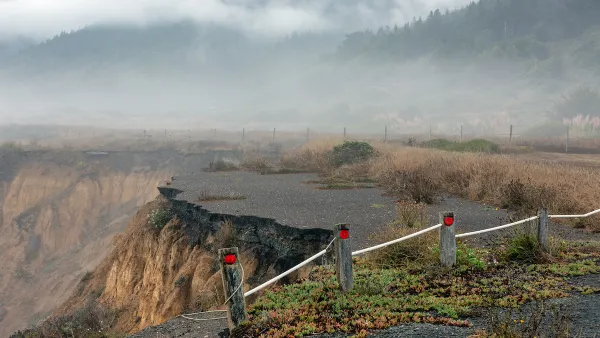
Lessons in ‘Planned Relocation’
How communities can manage climate-induced relocation successfully and equitably.

The state-sanctioned urbicide of Austin
People don’t kill cities. Freeways do.

US to reduce Colorado River water deliveries to Mexico
A new Colorado Treaty amendment reduces Mexico’s Colorado River water allocation by 250,000 acre feet.

New Jersey’s second-largest city bans standalone data centers
Jersey City will continue to allow co-location facilities, such as those meant for research institutions that store their own data.

Amtrak not solely to blame for New Jersey commuter rail's unreliability, report finds
A new study from the Garden State Initiative found that NJ Transit’s budget grew 20% across a 4 year period, but reliability declined significantly over the same period.

EPA erases limits on planet-warming pollution from power plants
Under Monday’s plan, power plants would still have some limits on how much mercury, arsenic and other contaminants they can emit.

Phoenix announces new on-demand transit service, more frequent RAPID buses
Both new services will launch in October, and are part of Phoenix's Project Effective Access Solutions for Easing Congestion.

FREE Course: Walkable City 1: Why Walkability?
After describing his path towards focusing on walkability as the essence of good planning, Jeff Speck marches through his five principal reasons for making more walkable places.
Reinventing Malls: Planning Alchemy—Turning Gray Fields Into Gold
The course focuses on the opportunities and imperatives that shape reinvention of mall sites.

Eagle County Government
Harvard University Graduate School of Design
Nashville Planning Department
The Architects Foundation
University of Cincinnati Online
The Pocatello Development Authority
The Urban Renewal Agency of the City of Pocatello
Journal of the American Planning Association