United States

Upzoning Modestly Increases Housing Supply and Affordability, Study Says
A new study by researchers at the Urban Institute finds new evidence that upzoning produces housing supply and reduces costs, while downzoning does the opposite.

With Lyft in Trouble, Will Citi Bike Ride On?
The popular NYC bike share system will likely survive the company’s current financial setbacks, but other, smaller bike share systems may not be so lucky.

Dramatic Decline in New EV Models to Qualify for Federal Tax Credit
The Treasury Department released long-awaited rules required by the historic Inflation Reduction Action on March 31 that will determine which electric vehicle models purchased after April 17 will qualify for a federal credit up to $7,500.

Holding Oil Companies Accountable for California's High Fuel Prices
Gov. Gavin Newsom signed into law a first-in-the-nation bill that would penalize California's oil refineries for excessive profits. Will it lower the state's highest-in-the-nation fuel prices?

Lessons in Affirmatively Furthering Fair Housing
With HUD seeking comments on a revamped version of the Affirmatively Furthering fair Housing Rule, now is a good time to seek lessons from the one state to attempt to implement the federal rule at the state level.

Five Years Later: What Have Opportunity Zones Accomplished?
Two recent studies are among the first to attempt a comprehensive account of the effects of the Investing in Opportunity Program, one of the signature place-based policies of the Trump era.

Op-Ed: How ADUs Can Ease the Housing Crunch
With the right policies in place, basement apartments, converted garages, and backyard cottages can create a significant number of affordable housing units.

Single-Staircase Buildings: A Design Solution to a Political Problem?
One writer argues that single-staircase buildings solve an architectural problem and make buildings more interesting, but the political problem of the U.S. housing crisis goes much deeper.

Code Reforms to Ease the Housing Crisis
Ten recommendations for zoning code changes that could make housing more affordable.

Comparing Downtown Recovery Across U.S. Cities
The Downtown Vitality Index measures how central cities are adjusting to post-pandemic conditions.

Immigration Grows, Population Drops in Many U.S. Counties
International immigration to the country’s most populous areas tripled even as major metropolitan areas continued to lose population.

Maps: How Much of Your City is Parking?
The percentage of land dedicated to parking in the central districts of major U.S. cities ranges from 4 percent to as much as 42 percent.

Millennials Now Majority Homeowners
Just over half of people in the ‘Y’ generation now own homes, but the largest generation also continues to dominate the rental market.

Parking Reform Gains Momentum
More cities and states around the country are recognizing the value of eliminating parking requirements.

‘Arrested Mobility’: How Transportation-Related Laws Impact Black Americans
A far-reaching new study highlights the disproportionate effect of biking and walking laws on the mobility of Black Americans.

Opinion: Free Fares Won’t Solve the Transit Crisis
“The biggest US transit agencies must be allowed to simply focus on delivering high-quality service. There is no Plan B.”

The Return of ‘Catalog Homes’
Sets of pre-approved housing plans can lower construction costs, shorten timelines, and encourage more badly needed housing production.

‘Train Daddy’ Andy Byford to Oversee Amtrak’s High-Speed Rail Efforts
Byford, who formerly ran NYC Transit and Transport for London, could bring renewed vigor to the agency’s plans to expand regional rail in the United States.

Report Calls for ‘Sustained and Significant’ Investments in Affordable Housing
The National Low Income Housing Coalition’s annual report highlights the shortage of affordable and available housing units for low-income households.
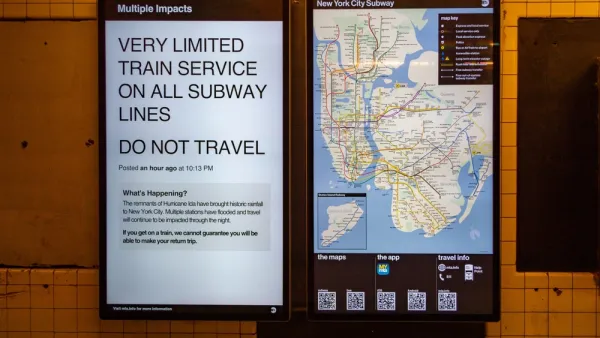
FTA Announces Disaster Relief Funding for Transit
A $212 million program is aimed at helping transit agencies and cities affected by flooding, hurricanes, fires, and other disasters maintain transit operations and boost the resilience of their systems.

FREE Course: Walkable City 1: Why Walkability?
After describing his path towards focusing on walkability as the essence of good planning, Jeff Speck marches through his five principal reasons for making more walkable places.
Reinventing Malls: Planning Alchemy—Turning Gray Fields Into Gold
The course focuses on the opportunities and imperatives that shape reinvention of mall sites.

One Hundred Miles
County of Mendocino
planning NEXT
The Architects Foundation
University of Cincinnati Online
Montrose County
Northern Illinois Transit Authority (NITA)
The Pocatello Development Authority









