United States
Is National Rent Control the Right Answer?
Proposed legislation from Alexandria Ocasio-Cortez is a move toward more progressive housing policy. But critics say the one-size-fits-all approach is not the best solution for addressing the national housing crisis.
New Priorities, Not More Money, Need to Reform Federal Transportation Policy
Transportation for America, one of the leading advocacy organizations for multi-modal funding at the federal level, has announced a drastic change to its agenda.

The Fascinating World of Urban Evolution
Animals are not only evolving in remarkable ways to meet the challenges of urban environments, but they are doing it quickly.
These Transit Agencies Want You to Build on Their Land
Transit providers are often major landowners in their communities, controlling underutilized properties like park-and-ride lots or storage and maintenance facilities. These sites are also opportunities to provide desperately needed affordable housing
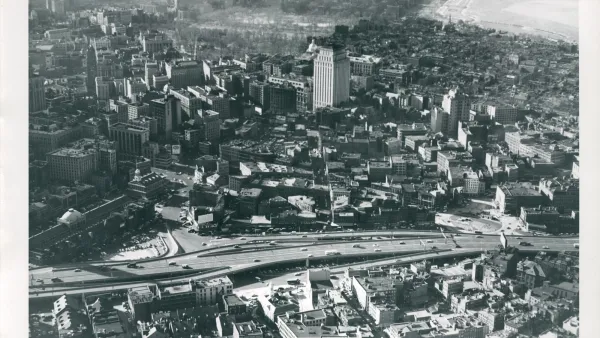
Watch: The Dark Side of Eminent Domain
In cities like Boston, the government’s right to take private property displaced residents and destroyed vulnerable neighborhoods and communities.
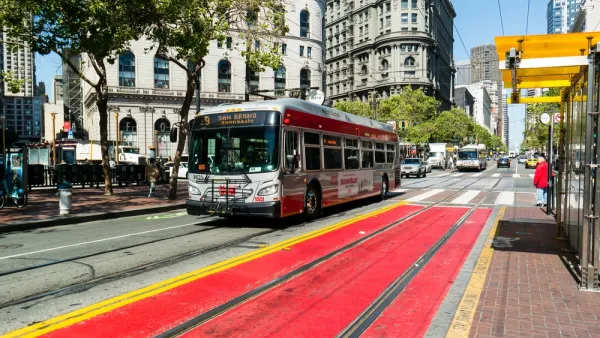
Trump Administration Suddenly Holding California to Higher Environmental Standards
The U.S. Environmental Protection Agency wants to force the state of California to spend highway money on public transit, because of the environment.
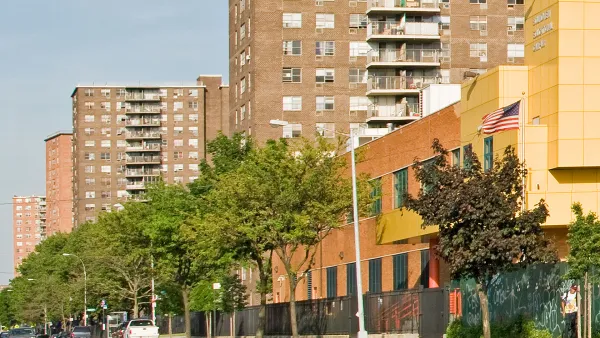
Census Tract Changes Could Expand Opportunity Zones
Tract boundary revisions for the 2020 Census could mean new opportunity zone designations as well.
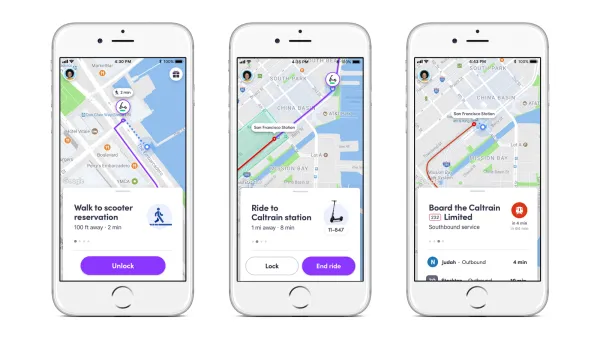
Lyft App Offers Multimodal Travel Information
The app is expanding to include information about public transit and micromobility options as part of Lyft’s goal to make travel easier.
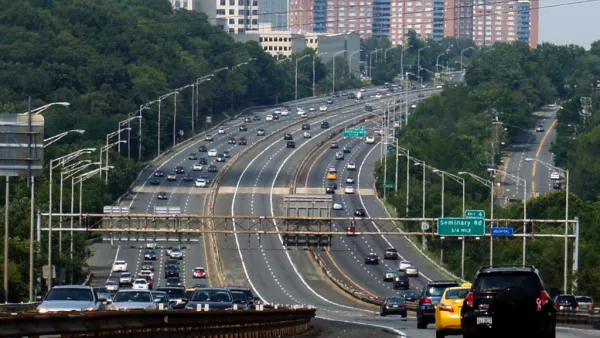
Solo-Occupant Hybrid Vehicles Lose Access to Carpool Lanes
A change in federal law on Monday meant that over 16,000 Virginia motorists must double or triple-up when using carpool lanes in Virginia. Next month, electric vehicles will need three occupants to drive free on I-395 when HOV lanes become HOT.
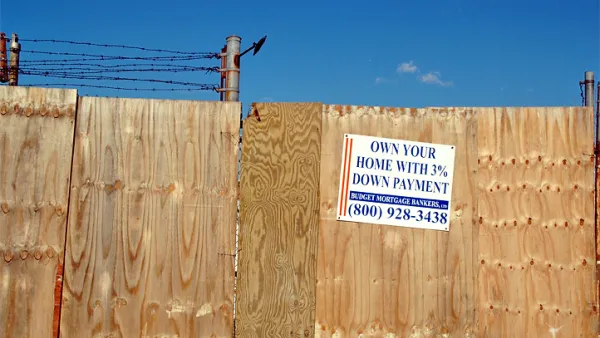
The Future of the Community Reinvestment Act
In a new policy brief and a series of working papers, housing experts consider the future of the Community Reinvestment Act, the federal law enacted in 1977 to combat redlining and discrimination in mortgage markets.

Household Sizes Growing in the U.S. for the First Time in 160 Years
This decade is likely to produce demographic news that will shock anyone born after 1850.
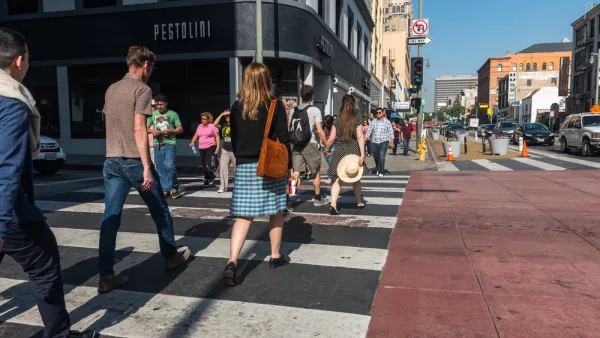
L.A.'s Strategy for 'Safe, Mobile, and Sustainable' Streets
Streets LA General Manager Adel Hagekhalil lays out his priorities and plans for transforming Los Angeles into a system of world-class streets.
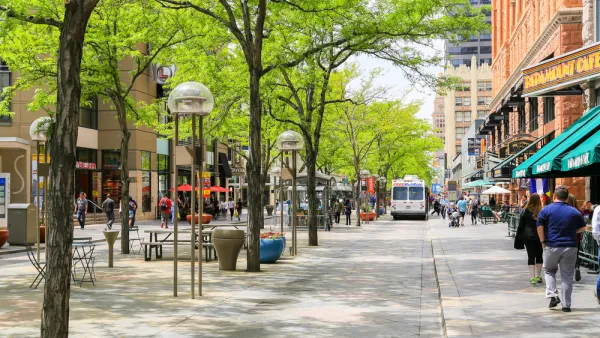
The Past and Future of Pedestrian Malls
Pedestrian malls, a common urban design goal of the 1960s and 1970s have so fallen out of fashion that failed examples from history are cited as boogeyman like "bridges to nowhere" and "big digs."
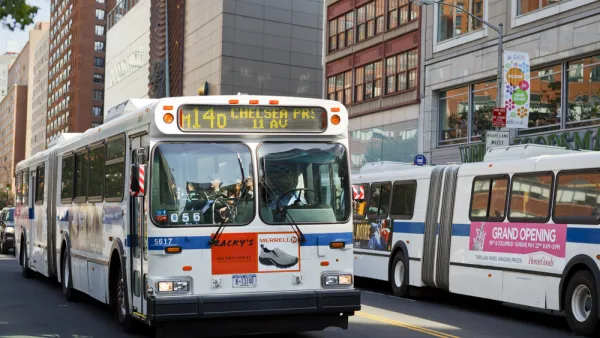
The Radical Remaking of a New York Street Launches This Week
The 14th Street Busway will make its debut on Thursday of this week. Cars will be prohibited from the street and buses will gain newfound freedom, in a model that duplicates other efforts in Europe and Canada.
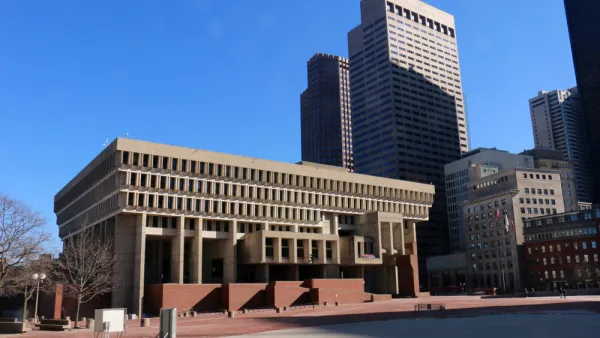
Boston's Zoning Board Called Out for Conflicts of Interest
The Boston Globe reports on reasons to suspect more conflicts of interest than there appears on the Boston Zoning Board of Appeal.
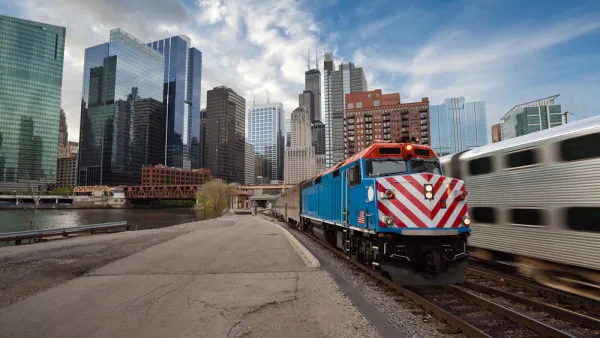
What's Hindering Regional Transportation in the U.S.?
Public transportation that serves regional areas makes sense, but the United States has been slow to pursue strategies and policies that foster these types of systems.
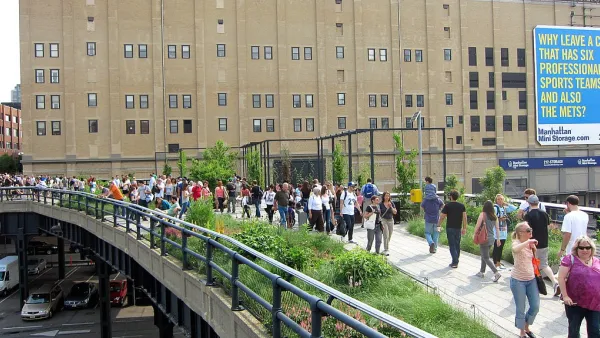
How to Prevent 'Green Gentrification'
A new report examines a range of strategies that limit the displacement effects of park projects.
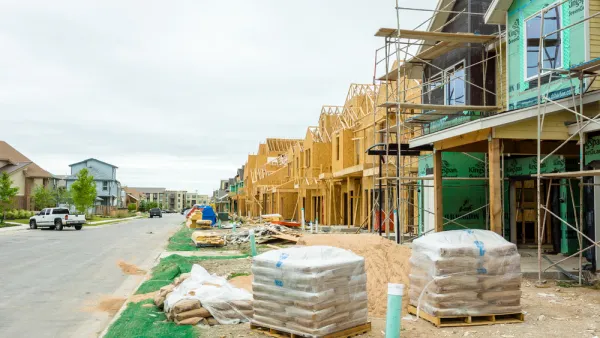
Not Enough Housing, Or Too Much of the Wrong Kind
Permits for new housing continue to lag despite a long economic boom. For coastal metros, it's a familiar story of job growth outpacing new construction. In some Sun Belt cities, sprawl is the bigger concern.
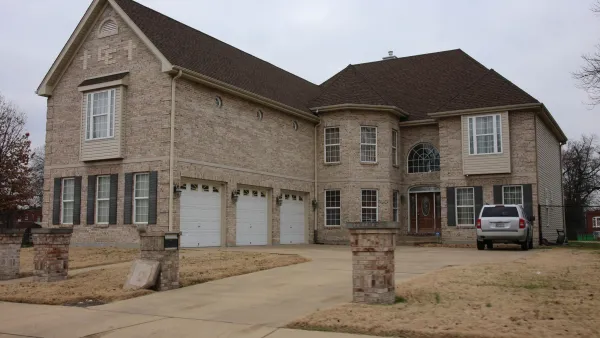
Behind America's Fixation on Big Houses
McMansion or not, the American home is a good 600 to 800 square feet larger than the average in most other countries. Possible reasons run the gamut from policy to culture to personal economics.

U.S. Lagging in Making Streets Safer for Pedestrians
Pedestrian deaths are on the rise in the United States, but cities have been slow to implement effective policies and road design measures to change the trend.

FREE Course: Walkable City 1: Why Walkability?
After describing his path towards focusing on walkability as the essence of good planning, Jeff Speck marches through his five principal reasons for making more walkable places.
Reinventing Malls: Planning Alchemy—Turning Gray Fields Into Gold
The course focuses on the opportunities and imperatives that shape reinvention of mall sites.

One Hundred Miles
County of Mendocino
planning NEXT
The Architects Foundation
University of Cincinnati Online
Montrose County
Northern Illinois Transit Authority (NITA)
The Pocatello Development Authority









