Massachusetts
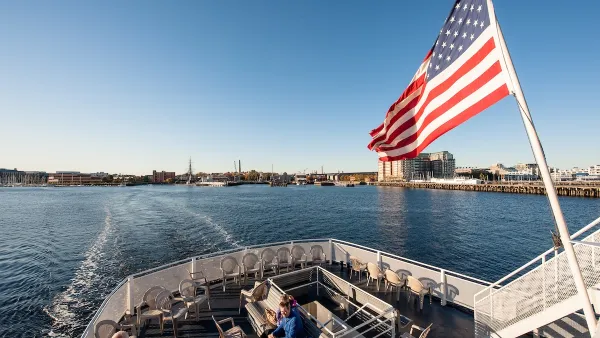
Boston Bets on Ferries as a Solution to Traffic
The T’s ferry system served 1.4 million passengers last year — and that number is growing.
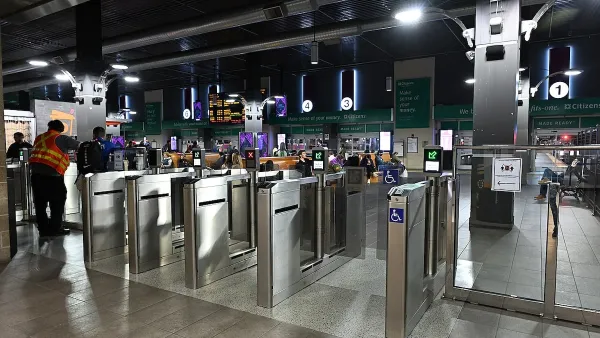
MBTA Fare Collection Jumped 35% At Stations With ‘Engagement Reps’
Boston’s transit agency is taking a firmer stance against fare evasion, cautioning riders it will begin issuing citations beginning September 8.

Feds Revoke $327M for Mass Pike Project
The project’s design replaces aging viaducts with a ground-level highway, a transit hub, and multimodal infrastructure.
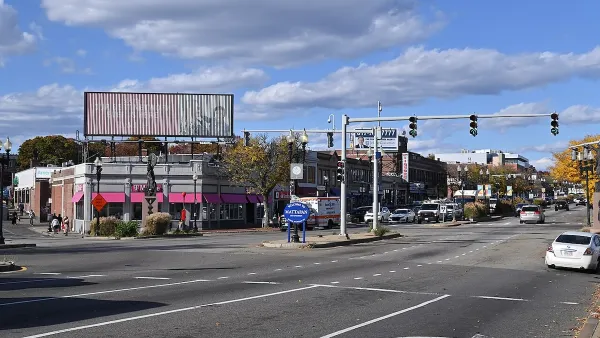
After a Six-Year Struggle, Tenants in Boston’s Mattapan Neighborhood Win Permanent Affordability
When a new owner imposed sharp rent hikes in 2018, tenants organized and fought back. Now, more than 300 housing units will be affordable for the foreseeable future. Here’s how the tenants made it happen.
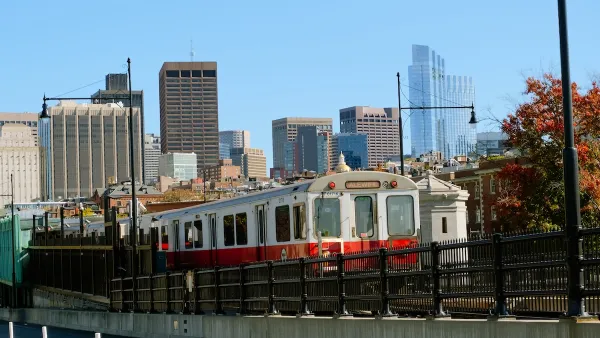
Massachusetts Budget Helps Close MBTA Budget Gap
The budget signed by Gov. Maura Healey includes $470 million in MBTA funding for the next fiscal year.
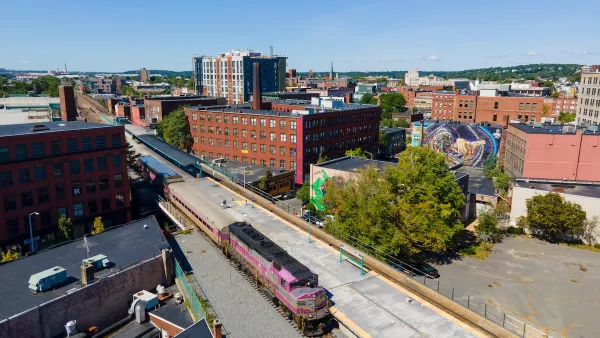
Judge Rules in Favor of Massachusetts TOD Law
The court rejected an argument that the MBTA Communities law, which requires zoning for multifamily housing, is an “unfunded mandate.”

Bringing Community Voices Into Renewable Energy Planning
The MIT Renewable Energy Clinic helps coastal communities navigate the complexities of offshore wind development through neutral, inclusive engagement that surfaces local concerns and supports fair decision-making.
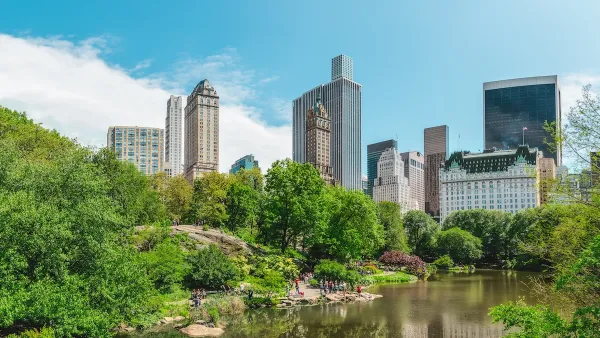
Public Parks as Climate Resilience Tools
Designed with green infrastructure, parks can mitigate flooding, reduce urban heat, and enhance climate resilience, offering cost-effective solutions to environmental challenges while benefiting communities.
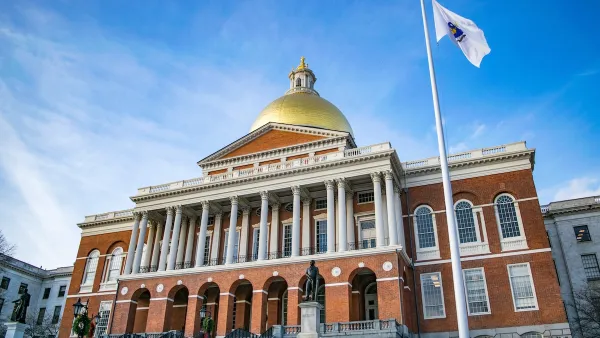
Massachusetts Gov. Makes Case for Road Funding Reforms
A package of proposed bills would change the state’s road funding formula to ensure more money flows to rural areas with limited resources.

Decarbonizing Homes: The Case for Electrifying Residential Heating
A new MIT study finds that transitioning residential heating from natural gas to electric heat pumps can significantly reduce carbon emissions and operational costs.
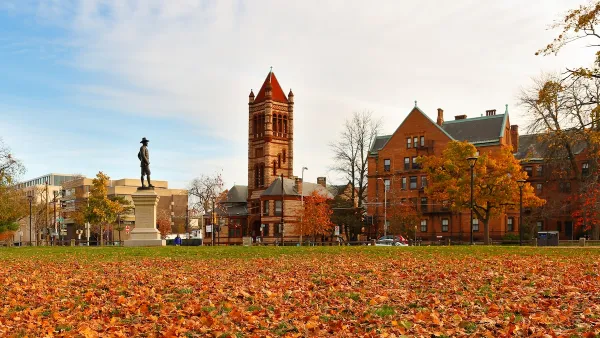
Cambridge Passes Zoning Reform
Developers can now build housing of up to six stories in the Massachusetts city.

Boston Ordinance Would Regulate Delivery Drivers
A proposed law would require delivery companies to acquire insurance, permits, and submit monthly reports to the city.
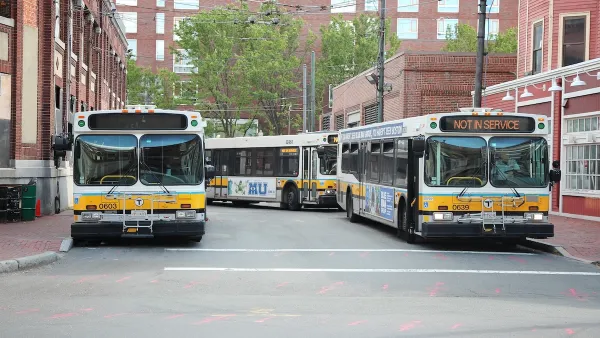
Boston Bus Signal Priority Project Yields Faster Travel Times
The city now plans to expand a year-long pilot project that reduced the time buses waited at traffic signals.
Boston Rail Network Sees Significant Increases in Speed After Eliminating ‘Slow Zones’
A year-long project that upgraded rail infrastructure and equipment has resulted in faster trips on all rail lines.
Boston Launches New Affordable Housing Preservation Fund
The Boston Acquisition Fund will offer low-interest loans to developers who pledge to keep multifamily housing affordable.

Future Floods in Focus: Using AI and Physics to Visualize Disaster Risks
MIT researchers have developed a groundbreaking AI-powered tool that integrates physics-based models to generate realistic satellite images of future flooding, offering communities a powerful way to visualize and prepare for disasters.

MBTA Red Line Now Free of ‘Slow Zones’
Recent work on the Boston-area rail line is making service on the aging system faster and more reliable.
Boston Affordable Housing Program Meets 1,000-Unit Goal
The program offers zero-interest loans to developers that keep rental units affordable for at least 50 years.

Massachusetts Extends Free Transit Through June 2025
Gov. Healey announced a $30 million extension to new and existing free fare programs at 13 public transit agencies.
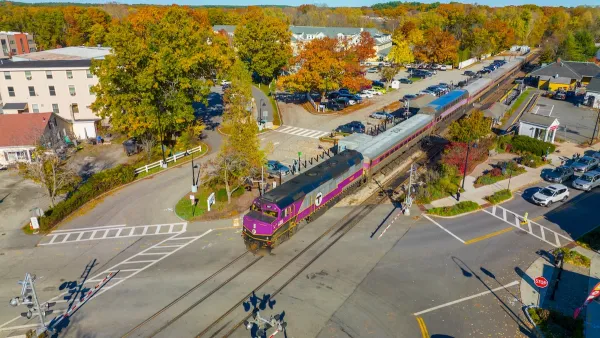
Massachusetts TOD Law Yielding Results
While some cities are fighting the state’s push to increase density near transit, others are already breaking ground on multifamily projects that will bring hundreds of new housing units online.

FREE Course: Walkable City 1: Why Walkability?
After describing his path towards focusing on walkability as the essence of good planning, Jeff Speck marches through his five principal reasons for making more walkable places.
Reinventing Malls: Planning Alchemy—Turning Gray Fields Into Gold
The course focuses on the opportunities and imperatives that shape reinvention of mall sites.

City of Rosemead
Rutgers University, Edward J. Bloustein School of Planning and Public Policy
One Hundred Miles
University of Michigan School for Environment and Sustainability (SEAS)
Hunter College, City University of New York (CUNY)
The Architects Foundation
City of Cambridge
The Pocatello Development Authority
The Urban Renewal Agency of the City of Pocatello









