Urban Development
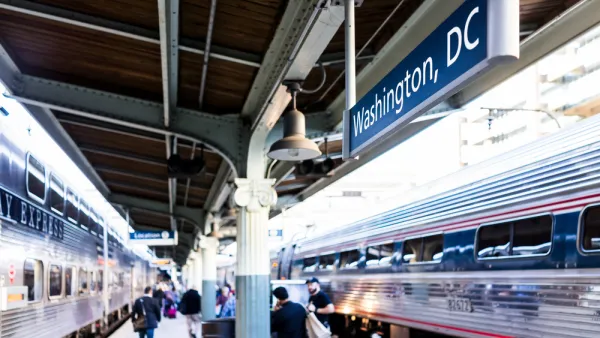
How Virginia Became a Leader in Passenger Rail
The state's consistent investment in passenger rail has resulted in one of the nation's most effective regional rail networks.
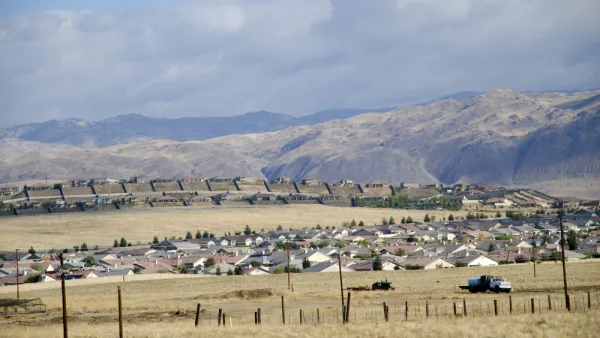
What Are Exurbs?
Farther out than suburbs but still connected to a major urban center, exurbs lie at the ever-shifting border between urban and rural spaces and are defined by economic ties to a city, low density housing, and high population growth.

Visualizing the Western Drought
Lower-than-average rainfall and reduced snowpacks have led to one of the driest and most dangerous fire seasons in history.
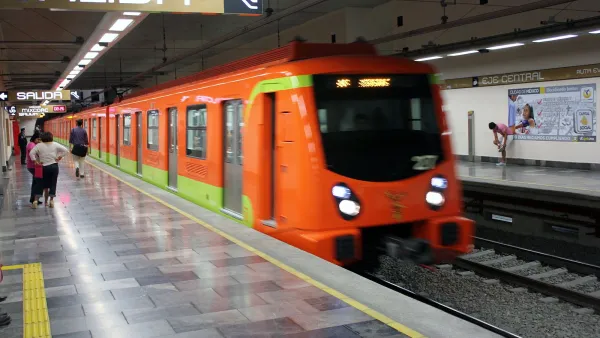
Report: Collapsed Mexico City Train Line Had Major Structural Flaws
A New York Times investigation uncovered years of government documents showing that officials ignored warnings about major structural flaws and poorly performed work on the train line before its fatal collapse in May.
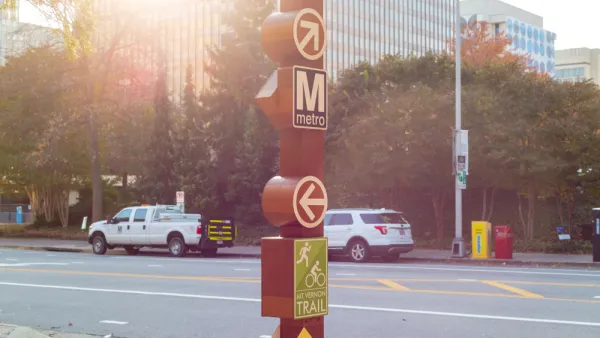
Amazon Financing Affordable Transit-Oriented Housing Near its New Headquarters
The company announced a $125 million investment in housing near Metro stations in northern Virginia, where the promise of jobs at its new Arlington headquarters sparked rising demand for housing.
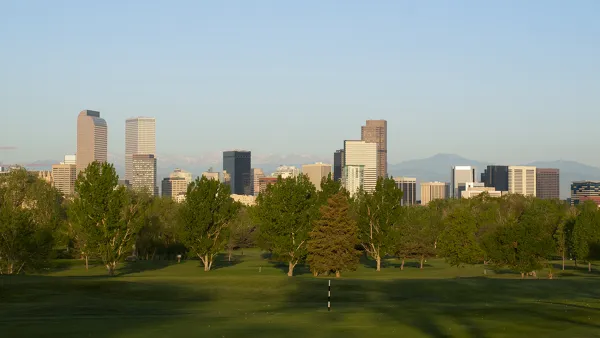
Denver Voters Will Weigh Open Space Development
Two competing initiatives seek to change city regulations for residential and commercial development on the city's parklands and open spaces.
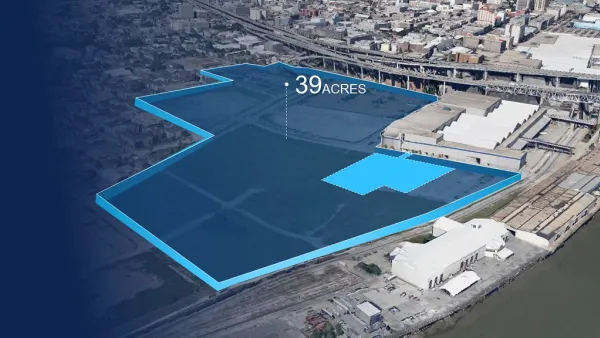
River District Megadevelopment Moving Forward in New Orleans
The project, led by Gensler, will span 39 acres of residential units, retail, and cultural attractions.
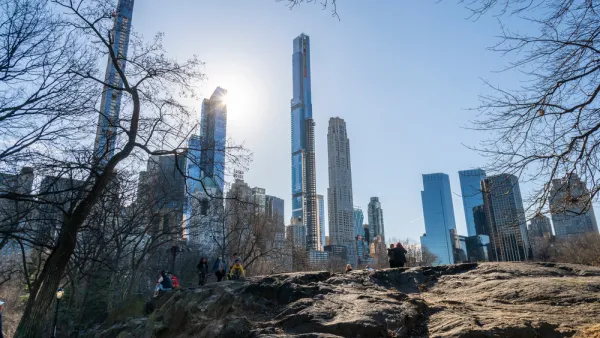
World's Tallest Residential Building Nears Completion in Manhattan
Central Park Tower, coming soon to New York City's "Billionaires' Row" was designed by Adrian Smith + Gordon Gill architecture.
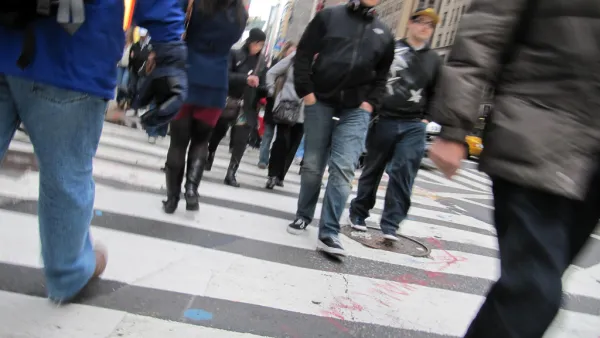
Why Pedestrian Deaths Are Rising
Jarrett Walker offers insights into "Right of Way," a book written last year by Angie Schmitt that is influencing the traffic safety conversation and pushing the fields of planning and engineering in new directions.
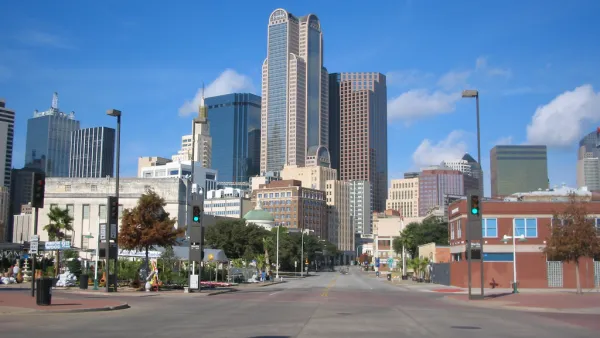
Dallas City Council Approves Urban Forest Master Plan
The plan seeks to mitigate the effects of urban heat islands by preserving and growing the city's tree canopy.
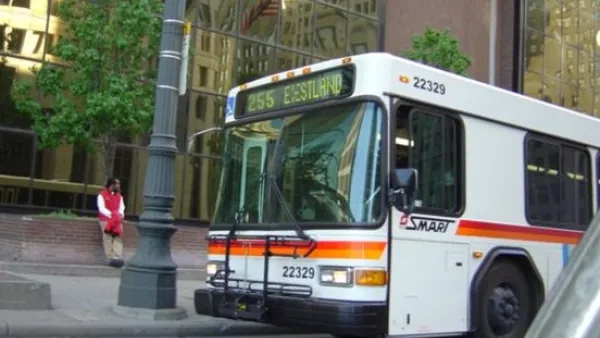
Opinion: Detroit Area Stunted by Lack of Regional Transit
Improved connectivity and reliability in the region's public transit could stimulate growth and help build a more vibrant local economy.
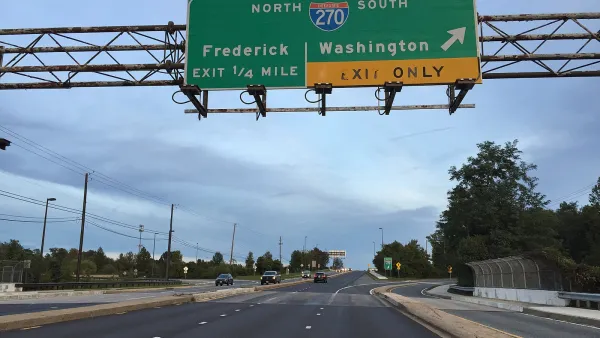
Maryland Beltway Project Tentatively Moves Forward
The state transit authority has granted preliminary approval to the revised plan to expand the Capital Beltway and add new high-occupancy and toll lanes.

Cities Must Act to Curb Delivery Van Congestion
With more and more products available for doorstep delivery, Janette Sadik-Khan argues that policymakers have to proactively face the imminent "delivery deadlock" and take control of curb management.
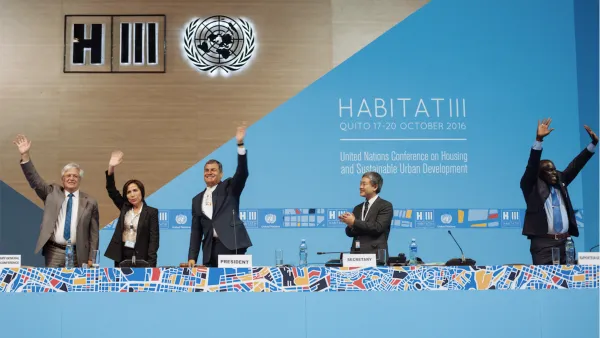
Will Planners Lead the New Urban Agenda?
The United Nation’s New Urban Agenda has created a playbook for planning advocates. It opens possibilities for building inclusive, integrated urban planning in countries where planning has been top-down and limited in scope.
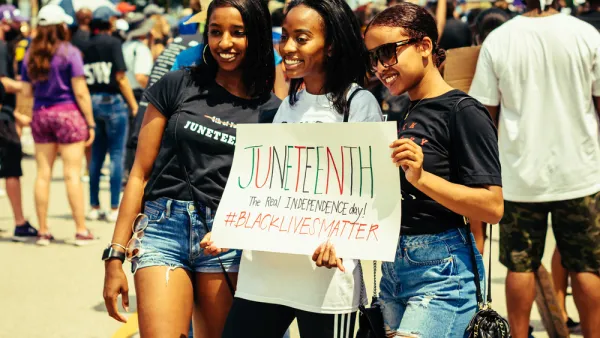
White House Marks Juneteenth by Pushing for Zoning Reforms
On a holiday that commemorates the end of slavery in the United States, the White House marked the occasion by discussion exclusionary zoning.
How the Built Environment Impacts Public Health
New research sheds light on how the brain responds to urban environments and architecture.
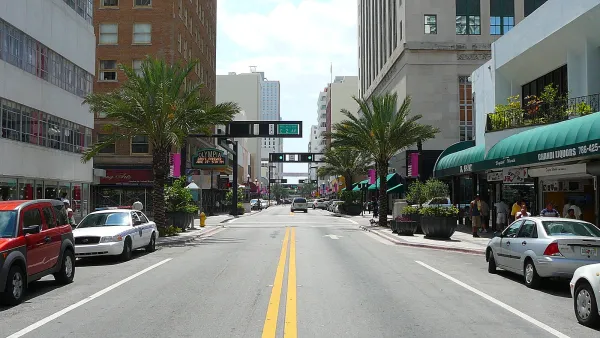
Miami Funds Protected Bike Lanes With E-Scooter Fees
The city, which has some of the nation's most dangerous streets for pedestrians and cyclists, is installing 3 miles of new bike lanes and pedestrian ramps on some of its busiest downtown corridors.
What Is Sprawl?
Sprawl is one of the most common terms used to describe built environments in the United States and the world. It can be applied to urban, suburban, and exurban settings, and it's almost never a compliment.
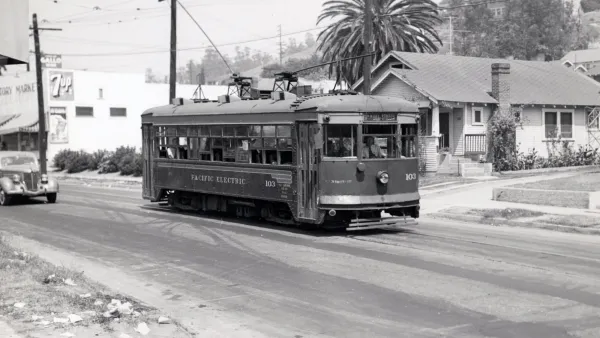
What Are Streetcar Suburbs?
Named after the mode of transportation that made their existence possible by dramatically reducing travel times, streetcar suburbs are communities located along streetcar lines farther out from city centers, on the periphery of the urban areas in the late 19th century.
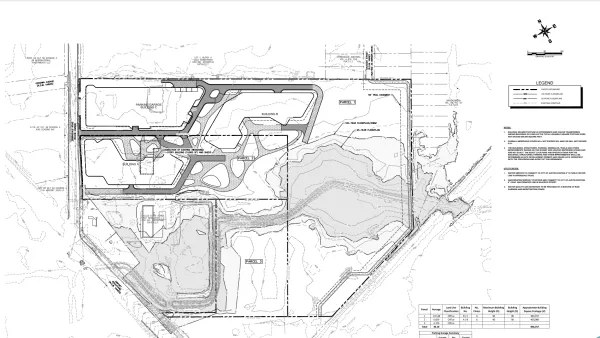
New Building Heights Coming to East Austin
The center of commercial gravity will be located a little to the east in Austin after two six-story office buildings are complete.

FREE Course: Walkable City 1: Why Walkability?
After describing his path towards focusing on walkability as the essence of good planning, Jeff Speck marches through his five principal reasons for making more walkable places.
Reinventing Malls: Planning Alchemy—Turning Gray Fields Into Gold
The course focuses on the opportunities and imperatives that shape reinvention of mall sites.

City of Rosemead
Rutgers University, Edward J. Bloustein School of Planning and Public Policy
One Hundred Miles
University of Michigan School for Environment and Sustainability (SEAS)
Hunter College, City University of New York (CUNY)
The Architects Foundation
City of Cambridge
Montrose County
The Pocatello Development Authority









