Urban Development

Five Key Takeaways from the 2018 World Urban Forum
Insight into the hard work of implementing the New Urban Agenda.
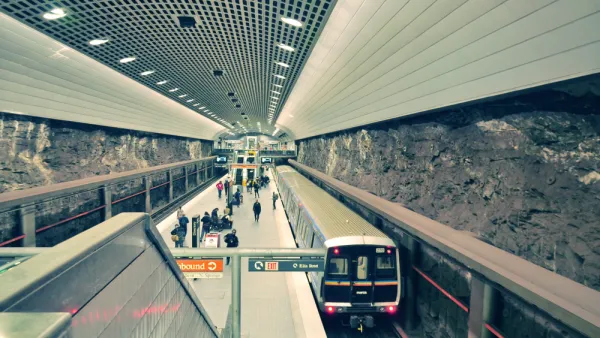
MARTA an Amenity for Office Developers in Atlanta—But Not by Choice
The amenity in highest demand for companies looking to develop office space in Atlanta might surprise people: it's access to public transit.
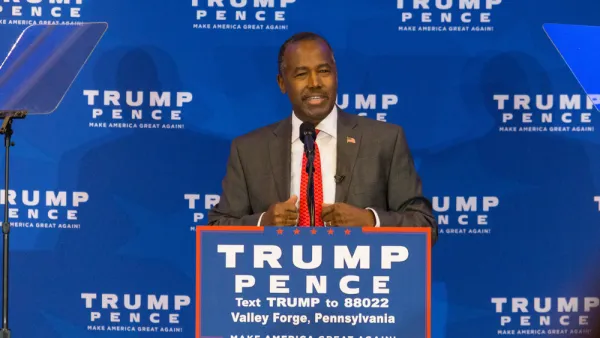
HUD Changing Mission
Although it's unclear if the change is final, it's been widely reported that leadership at the U.S. Department of Housing and Development is pushing to remove wording about racial discrimination from the organization's mission statement.

In California, Policies Spur Rebuilding in the Wildland-Urban Interface
After the worst wildfire season ever, changes to local land use and state insurance rules essentially ensure that the same thing will happen again.
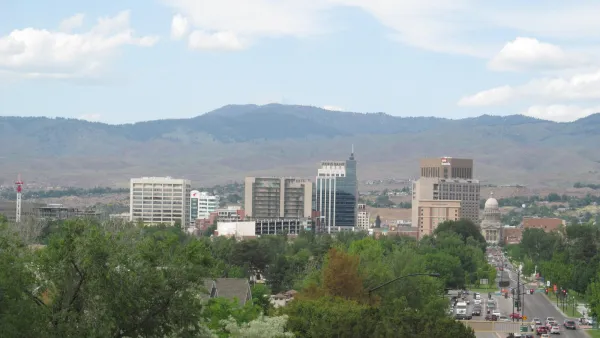
Housing Affordability Challenges Visit Idaho
Boise and surrounding cities are going to need new housing to meet the demand of tens of thousands of new residents in the coming years.
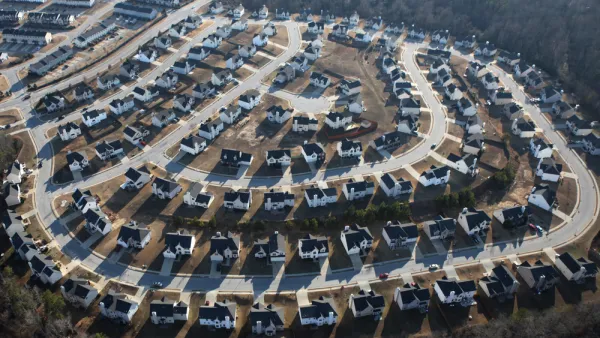
Revisiting Subdivision Regulations
For many decades now, most communities in the United States have grown as a series of subdivisions, built on a tried and true formula. It might be time to change the math.
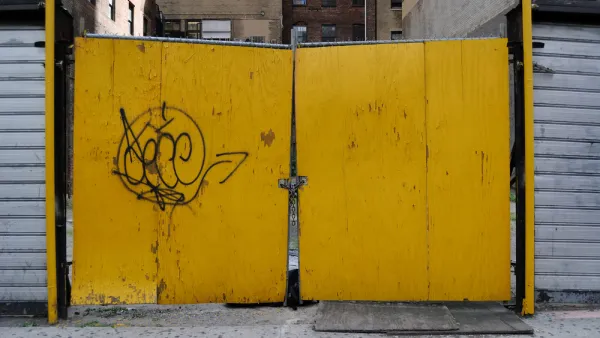
Mapping All the Lots NYC Has Sold for a Song
Not really a song, but close: $1.
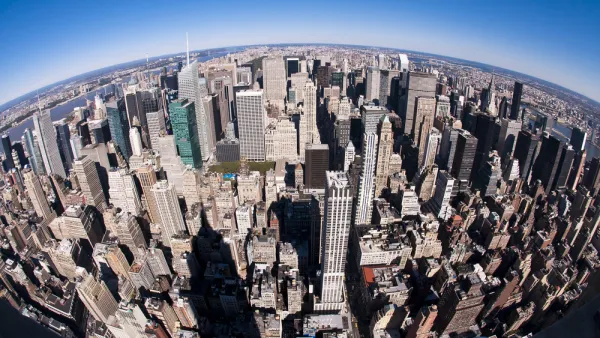
Study Analyses the Airbnb Effect in the New York City Housing Market
Less "sharing economy" and more normal economy for New York City in New York City, according to the findings of a recent study.

Former President Barack Obama Addresses Gentrification
Former President Barack Obama is facing a new kind of politics while working to support the development plan for the Barack Obama Presidential Center.
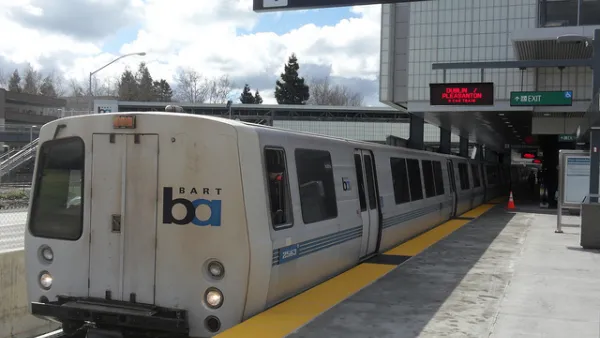
Bill Would Force Locals to Follow BART's Plans for Station-Adjacent Development
Another bill under consideration by the California State Legislature would take land use control away from local agencies near transit stations. In this case, the new authority would be regional.

Op-Ed: Transit-Oriented Development Must Protect Tenants
It's time for planners to contend with displacement by transit investment, writes Tracy Jeanne Rosenthal.
The Other Affordable Housing Trend in Oregon: Construction Excise Taxes
Inclusionary zoning hasn't helped as much as the state of Oregon was hoping when it passed a law to lift restrictions on the policy in 2016. Construction excise taxes could be the next policy to catch on around the state.
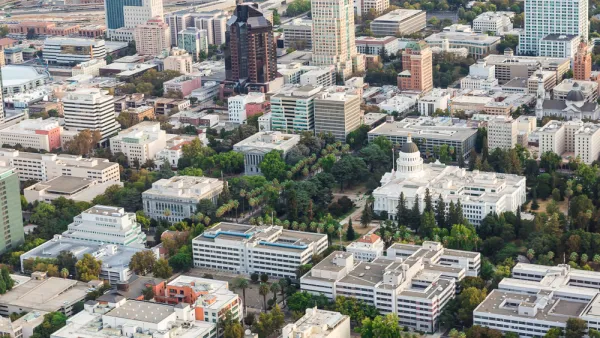
Amendments Proposed for California's Landmark Pro-Housing Development Legislation
Amendments are circulating for one of the most-closely watched, and passionately debated, pieces of housing legislation in the country.
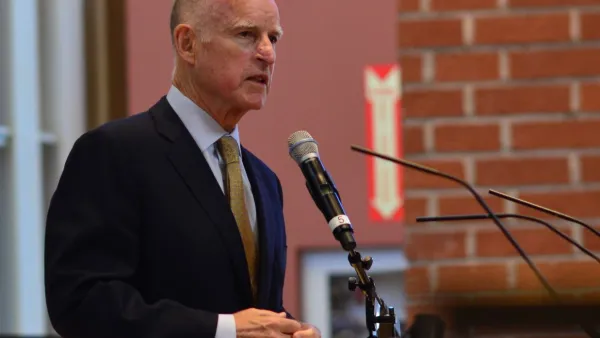
California Housing Battles Pit Older Liberals Against Younger Progressives
It's the old left, many home-owning seniors, against the younger left, many renter millennials when it comes to housing, according to an NBC report that looks at the local political dynamics underpinning the expensive California housing market.

After Harvey, Texas Tries State-Run Disaster Relief, With Mixed Results
The scale of the housing recovery effort means some jobs normally handles by FEMA have fallen to the Texas General Land Office.
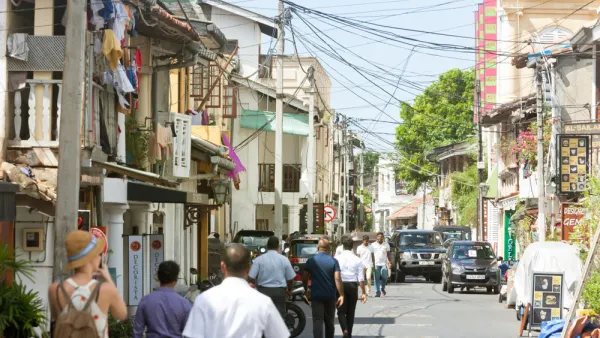
Urban Extremes In Sri Lanka
The Sri Lankan tourist destinations of Ella and Galle are microcosms of urban trends worldwide: one is a boomtown and the other is a boutique city.
Debunking the Politics of Progressive NIMBYism
An op-ed raises a damaging point to counter the California-style progressivism that opposes new housing development: "local control is actually bedrock conservatism."

The Need for an Equitable L.A. River Revitalization
Jon Christensen urges Los Angeles to ensure that new park amenities serve, rather than displace, the river's low-income communities.
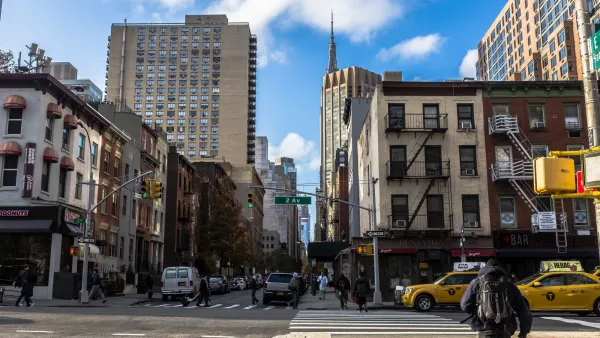
Property Owners Jostle for Deals After Midtown East Rezoning
A flurry of air rights purchases have already begun as large property owners take advantage of Midtown East's upzoning. Some big names include JPMorgan Chase and the Archdiocese of New York.

Op-Ed: Let's Make Urban Design Inspiring Again
Allison Arieff finds fault with the nation's uninspired conversation on infrastructure. When urban design projects have more emotional appeal, she argues, they can unify rather than divide.

FREE Course: Walkable City 1: Why Walkability?
After describing his path towards focusing on walkability as the essence of good planning, Jeff Speck marches through his five principal reasons for making more walkable places.
Reinventing Malls: Planning Alchemy—Turning Gray Fields Into Gold
The course focuses on the opportunities and imperatives that shape reinvention of mall sites.

City of Rosemead
Rutgers University, Edward J. Bloustein School of Planning and Public Policy
One Hundred Miles
University of Michigan School for Environment and Sustainability (SEAS)
Hunter College, City University of New York (CUNY)
The Architects Foundation
City of Cambridge
Montrose County
The Pocatello Development Authority









