Urban Development

Study: Walkability Can Help Reduce Dementia Risk
Walkable neighborhoods offer natural opportunities to stay active and engaged with friends and neighbors, increasing residents’ chances of remaining mentally and physically healthy longer.
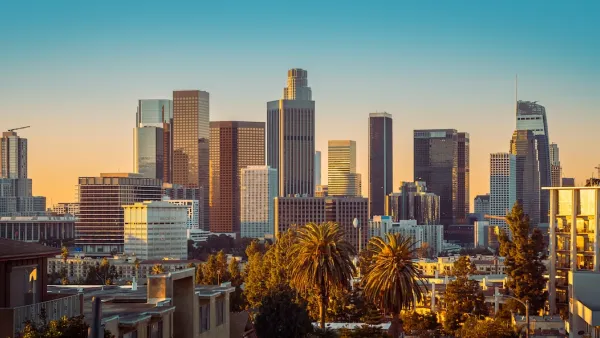
Empower LA: The LA2050 Grants Challenge
The 2025 LA2050 Grants Challenge invites organizations to become outreach partners and help mobilize Angelenos to vote on how $1 million in grants will be allocated to address key local issues like homelessness, income inequality, and park access.
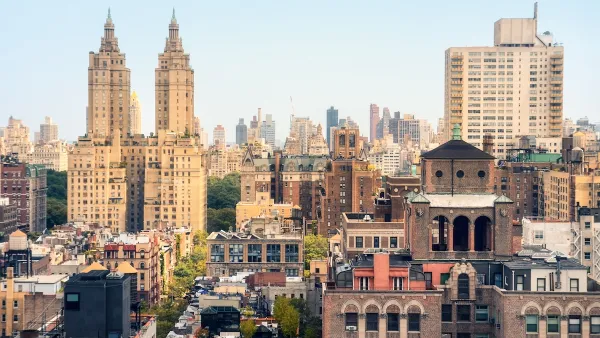
NYC Zoning Reform: Where Will It Have an Impact?
The zoning reform package dubbed ‘City of Yes’ will likely yield uneven results, with many of the lowest-density neighborhoods exempted from new regulations.
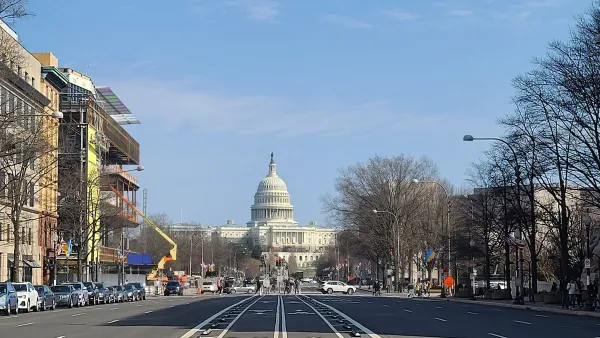
Planning Trends for 2025: Creative Housing Solutions, Ongoing Transit Woes, and the Ever-Creeping Tentacles of AI
Urban planners have no shortage of urgent issues to delve into, from a deepening housing crisis to an increasingly unpredictable climate to a new federal administration bent on slashing key funding for everything from electric cars to housing assistance.
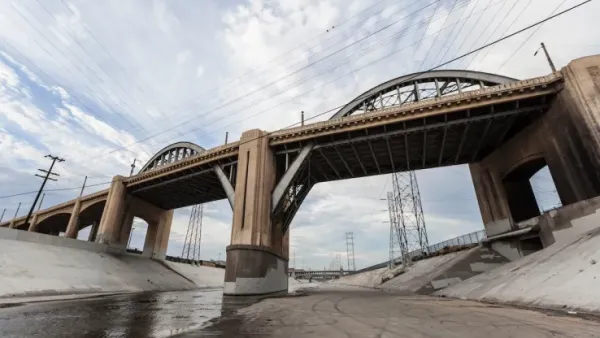
Don't Cement Our Future: Rethinking LA’s Landscape After Fire (and Floods)
A call for regenerative approaches to rebuilding that work with nature rather than against it.
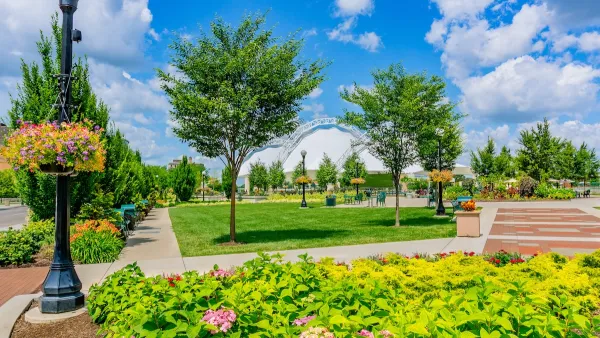
A Plan to Expand Tree Canopy Across Dayton
Dayton is developing an urban forest master plan, using a $2 million grant to expand its tree canopy, address decades of tree loss, and enhance environmental equity across the city.
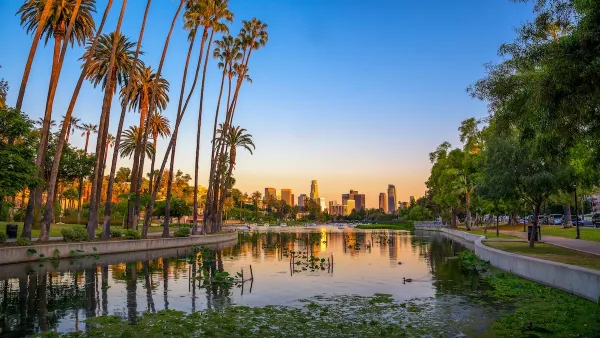
Parks for All: LA Looks to Residents to Help Shape Park Equity and Access
Los Angeles is launching a citywide park needs assessment to gather resident input on improving its park system, addressing inequities in access, and making the case for increased funding and long-term investments.
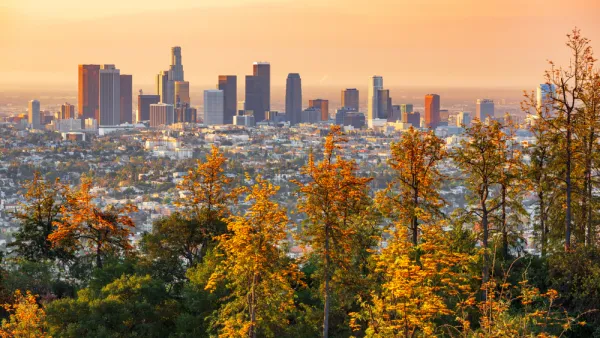
LA’s Trees Absorb More Carbon Than Expected, But Can’t Do It Alone
A USC study finds that Los Angeles’ urban trees absorb more carbon than expected, but while they provide crucial environmental benefits, they cannot replace the urgent need for systemic emissions reductions.
What ‘The Brutalist’ Teaches Us About Modern Cities
How architecture and urban landscapes reflect the trauma and dysfunction of the post-war experience.
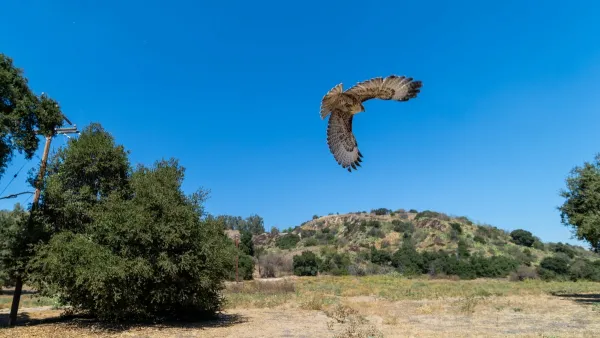
A Greener LA County: 623 Acres of New Parkland for Communities
Los Angeles County is investing $17 million to create 623 acres of new parks and open spaces, expanding access to nature, advancing equity, and enhancing community health and well-being.
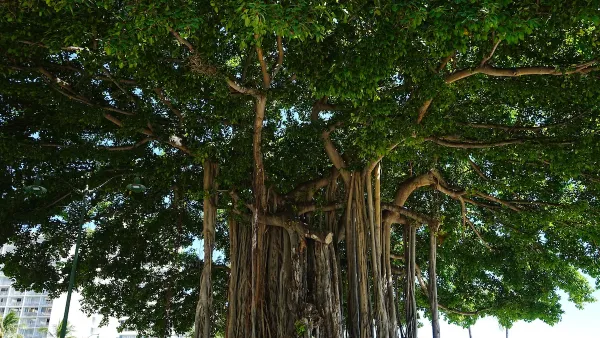
Growing Green: How Parks and Trees Shape Honolulu’s Future
Honolulu is expanding its urban tree canopy through community-driven park revitalization efforts, emphasizing the environmental, social, and cultural benefits of trees in creating a more resilient and equitable city.
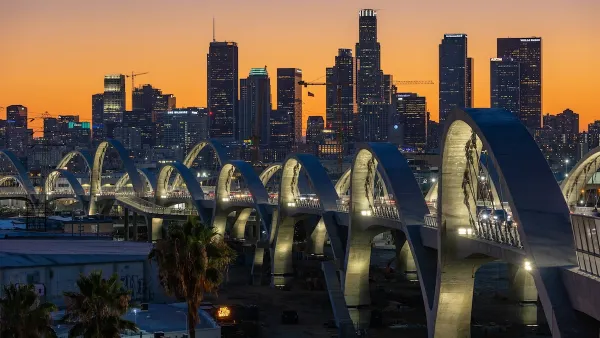
Downtown Los Angeles on the Rise: A Promising 2025
Fueled by new developments, cultural investments, and a growing dining scene, downtown Los Angeles is poised for significant growth in 2025, despite challenges from recent wildfires and economic uncertainties.
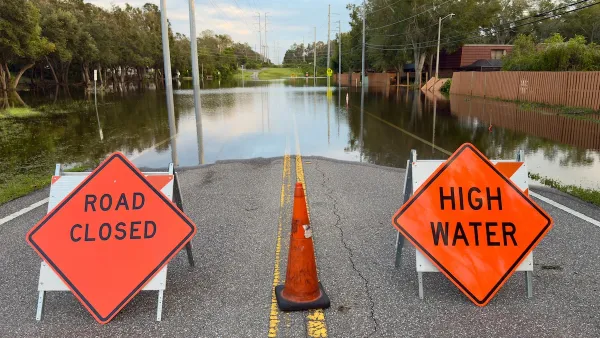
FEMA Suspends Flood Rebuilding Standard
The rule was designed to prevent the rebuilding of government-funded projects in areas prone to repeated floods.
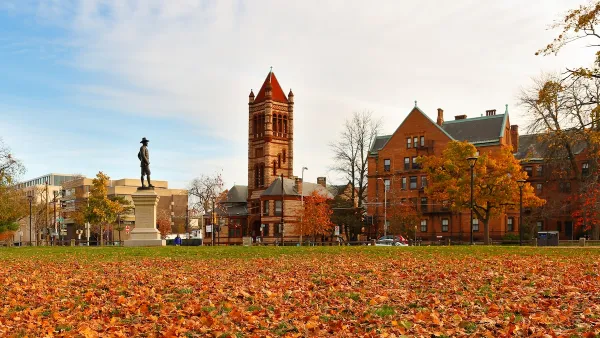
Cambridge Passes Zoning Reform
Developers can now build housing of up to six stories in the Massachusetts city.
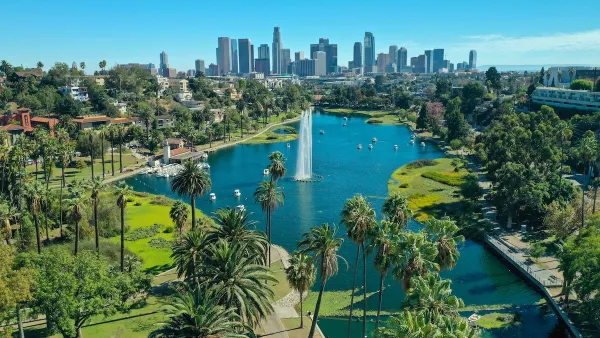
A Sustainable Future for LA: Updating the OurCounty Plan
Los Angeles County is updating its Sustainability Plan to refine its vision for climate action, environmental justice, and community well-being, with residents encouraged to participate by taking the OurCounty 2025 Update Community Survey.
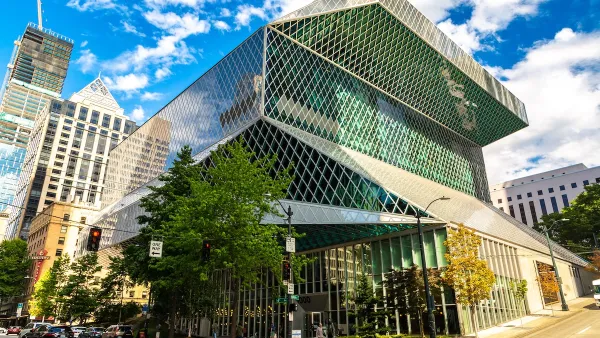
Public Libraries May Be More Relevant Than Ever
Libraries around the country are expanding their services in an effort to become ‘third spaces’ for the community.
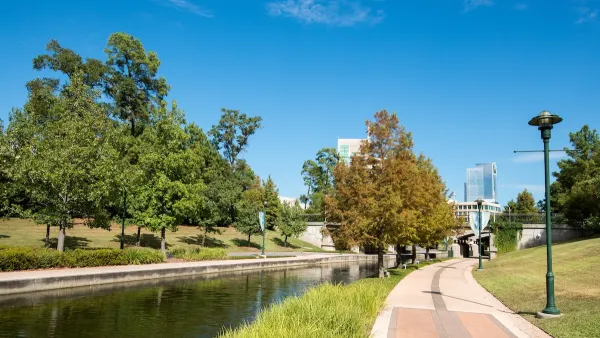
Retro-silient?: America’s First “Eco-burb,” The Woodlands Turns 50
A master-planned community north of Houston offers lessons on green infrastructure and resilient design, but falls short of its founder’s lofty affordability and walkability goals.
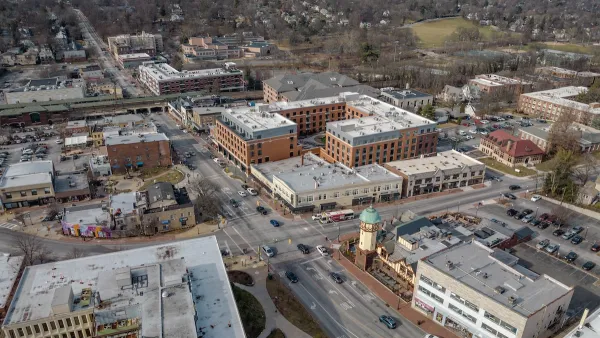
Off-Street Parking in the Midburbs
In several New Jersey cities, eliminating parking requirements has boosted local businesses.
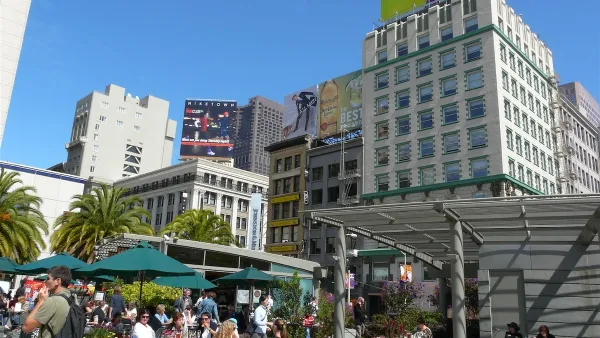
Traditional Retail is Hanging by a Thread. What Now for Cities?
After Kaid Benfield paints a rather grim retail outlook — where even retail bastions like San Diego are going dark — he suggests a series of actions for city leaders and planners.

Planning Communities for Thriving Children
When it comes to children's health and economic success, current trends are dismal. New research identifies how to plan communities where children can thrive. The secret? Compact, mixed-income, multimodal neighborhoods.

FREE Course: Walkable City 1: Why Walkability?
After describing his path towards focusing on walkability as the essence of good planning, Jeff Speck marches through his five principal reasons for making more walkable places.
Reinventing Malls: Planning Alchemy—Turning Gray Fields Into Gold
The course focuses on the opportunities and imperatives that shape reinvention of mall sites.

City of Rosemead
Rutgers University, Edward J. Bloustein School of Planning and Public Policy
One Hundred Miles
University of Michigan School for Environment and Sustainability (SEAS)
Hunter College, City University of New York (CUNY)
The Architects Foundation
City of Cambridge
Montrose County
The Pocatello Development Authority









