Urban Development
Spotlighting the Women Shaping Seattle
The Urbanist is publishing a series of articles focusing on the leadership of women is shaping the past, present, and future of Seattle.

Planetizen Week in Review: September 17, 2016
This week featured good news on the economy like it was pre-2008.

Why California's By-Right Affordable Housing Proposal Died
California's average home prices are 2.5 times the national average and rising, so why is it so hard to build a political coalition to build more housing, and especially more affordable housing?

If Housing Affordability Is Top Concern, Let Metro Regions Sprawl
Research from BuildZoom, a San Francisco-based contractors' website, shows that housing affordability increases with a region's ability to build outwards, as opposed to upwards. Densification largely has not accompanied efforts to curb sprawl.
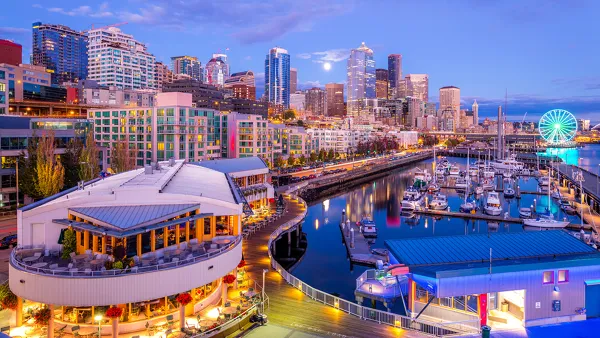
Roads Not Taken: Reimagining a Different Seattle
In 1851 the City of Seattle could have been a vastly different place if alternative development decisions had been made that took the original inhabitants, nature, and topography into consideration.
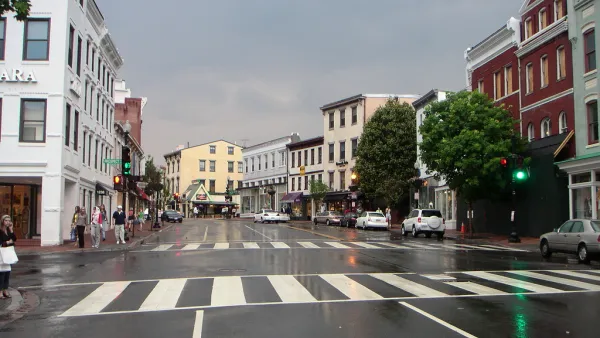
D.C.'s Comprehensive Zoning Update Takes Effect
After nine years of controversy, the District's first zoning revamp since 1958 is officially on the books.

Op-Ed: It's Time to Rethink Cleveland's Strategy of Managed Decline
Cleveland is a thought leader in bulldozing houses, according to a recent op-ed on Cleveland.com, but it's time to imagine a new paradigm.
A Proposed List of the 'First Principles of Urbanism'
The chief policy officer of Google's Sidewalk Labs proposes six first principles of urbanism to frame the potential impact of technology on urban environments.
Triangular Plazas: Flexible, Outdoor Rooms With Meaningful Uses
We often think of plazas as rectangular spaces, but unique geometries can create unexpected delight when a few simple criteria are met.

National Trust's 'ReUrbanism' Initiative Puts Adaptive Reuse Front and Center
The National Trust for Historic Preservation's ReUrbanism initiative has hit the ground running.
The Mega-Project Game Has a New Player in Brooklyn
A proposal by AECOM would transform the Red Hook waterfront with 25-45 million square feet of residential.
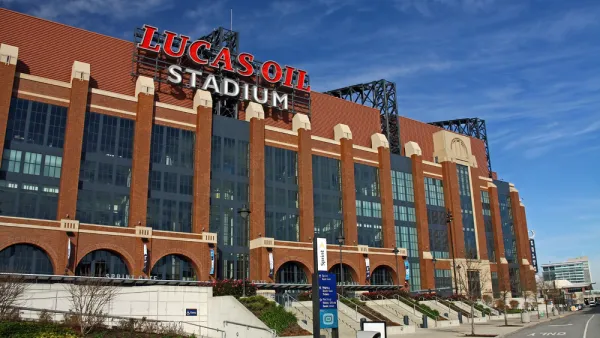
Federal Subsidy for Private Sports Stadiums Since 2000: $3.2 Billion
Are you ready for some football…stadiums to receive massive subsidies from the federal government?
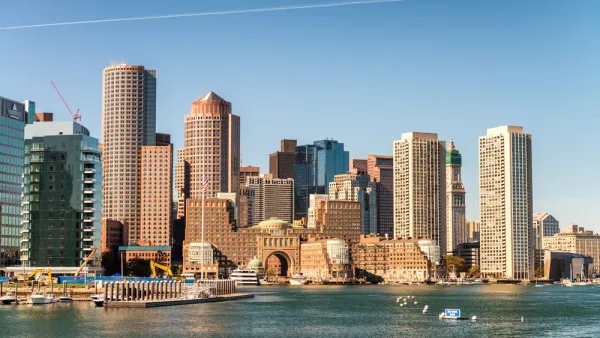
Condo Developments Trending in Boston
When more people start looking to buy a home in downtown areas, developers start to build condos. Boston provides the latest case study of this market tendency.
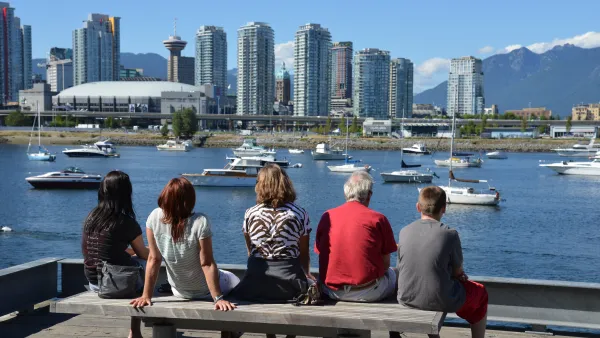
A Twitter Feed that Sings About Placemaking
"My twitter stream is alive with the sound of placemaking," writes Chuck Wolfe. While preparing for this week's Placemaking Week in Vancouver, he explains the importance of PPS-led programming and hopes for various panels, proceedings and events.
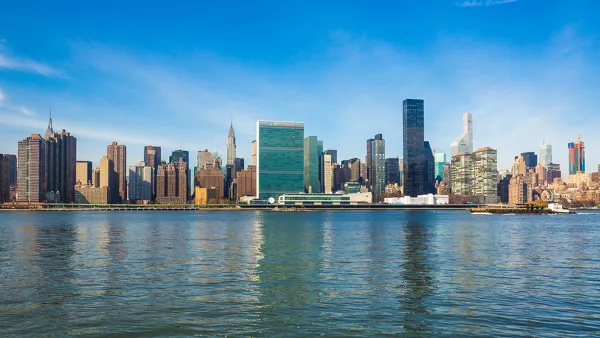
Finally, a Breakthrough for the New Urban Agenda
A marathon negotiation forged the compromises necessary for the New Urban Agenda to be adopted next month at the Habitat III summit in Quito, Ecuador.
Indicators of a Sustainable Urban Future.
Parking lots hurting for cars, garages being converted to storage, corporate headquarters moving from edge city to center city—these are some of things happening in U.S. cities that hold promise for change, writes former SPUR ED Jim Chappell.

Taking Stock of New York's Changing Skyline Post-9/11
Fear that skyscrapers might be a persistent target of terrorist attacks did not last long beyond the days and months following 9/11. Neither terrorists nor the Great Recession have stopped the city's skyline from continuing to reaching skyward.
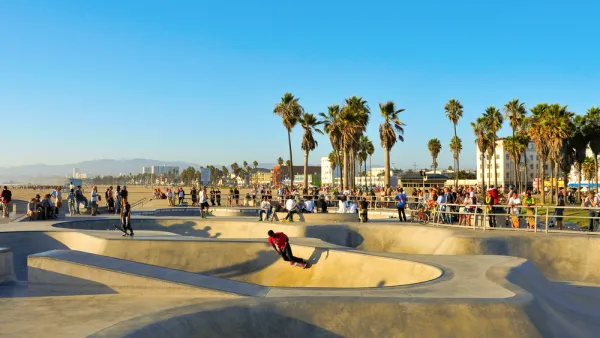
Los Angeles Adds New Developer Fee to Pay for Parks
The city of Los Angeles has been improving its parks resources for several years, and a new funding mechanism should help continue that trend.
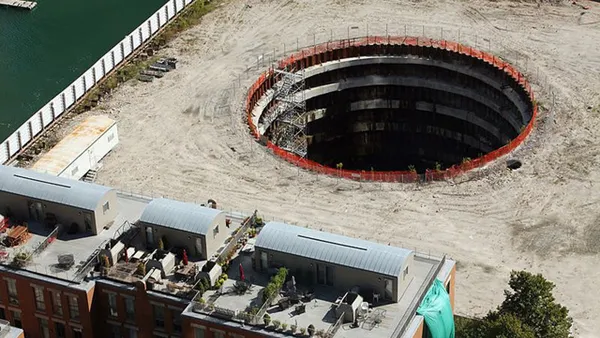
Signs of Life From Chicago's Failed Spire Project
Related Midwest, the current developer of the site of Santiago Caltrava's infamously failed Spire project, are finally making progress on the next iteration of plans for the site.

How Community Engagement Can Restore Trust in Government
Trust between the public and government agencies is low, and democracies are paralyzed without it. How can community engagement help restore trust? This post outlines the challenge and a process for solving it.

FREE Course: Walkable City 1: Why Walkability?
After describing his path towards focusing on walkability as the essence of good planning, Jeff Speck marches through his five principal reasons for making more walkable places.
Reinventing Malls: Planning Alchemy—Turning Gray Fields Into Gold
The course focuses on the opportunities and imperatives that shape reinvention of mall sites.

Harvard University Graduate School of Design
KFH Group Inc.
Greater Baltimore Committee
The Architects Foundation
University of Cincinnati Online
The Pocatello Development Authority
The Urban Renewal Agency of the City of Pocatello