Urban Development
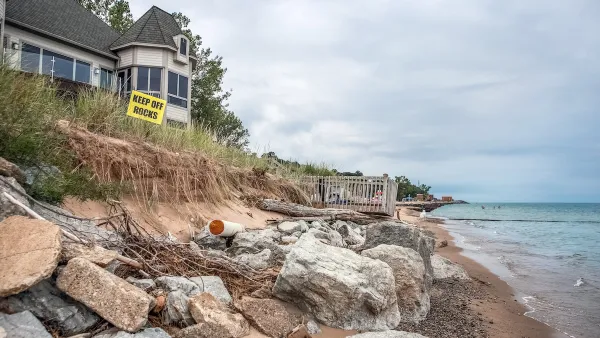
How US Cities Can Prepare for Climate Disasters
Resilience, encompassing infrastructure, governance, economic strength, and social cohesion, is critical for cities to mitigate rising climate risks like flooding, wildfires, and heat, ensuring long-term recovery and adaptability.
Planetizen’s Top Posts of 2024
The most-read articles on Planetizen in 2024.
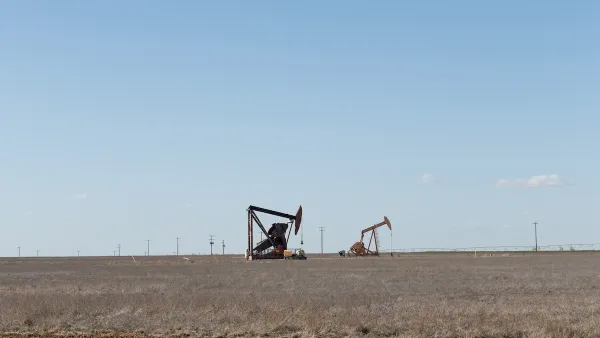
Silent Threat: America’s Abandoned Oil Wells and the Danger Beneath
Abandoned oil and gas wells across the U.S. pose significant environmental, health, and safety risks, with many leaking hazardous gases and chemicals, highlighting regulatory failures and the immense financial burden of remediation.
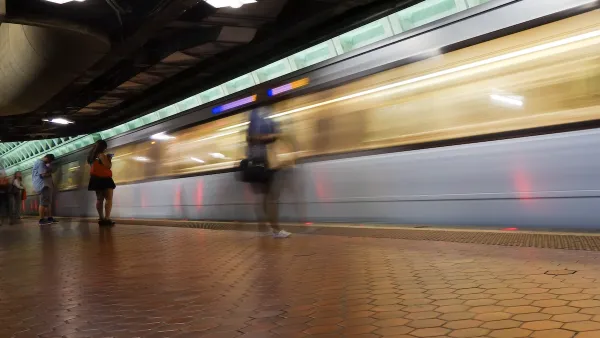
DC Suburban Light Rail Expansion Prompts Mixed-Use Development
The Purple Line’s expansion into Maryland suburbs in 2027 has spurred TOD along the line.

Students Drive Solutions for Environmental Justice Through Video Challenge
The Environmental Justice Video Challenge empowers students and communities to collaboratively address environmental inequities through innovative data-driven strategies, resulting in impactful projects and fostering local leadership.
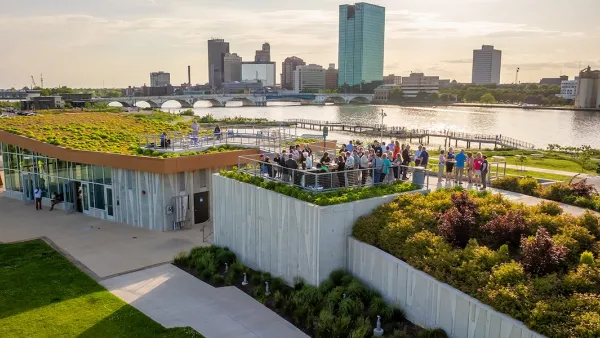
The Glass City’s Riverfront Sparkles with Promise
How Toledo is transforming its waterfront into a beloved community space.
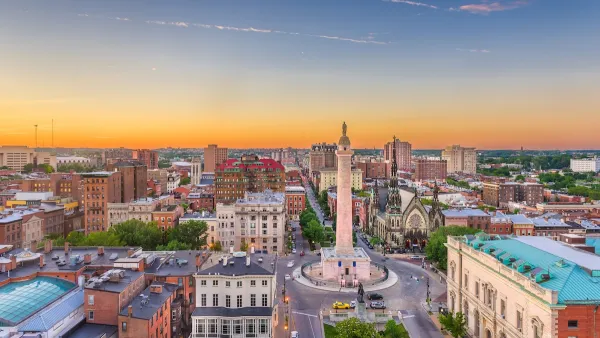
Rebuilding Together: How One Baltimore Program Advanced Education and Community Development
When Baltimore got funding for a round of school renovations, the state directed it to design schools that would also advance neighborhood revitalization — and it learned some lessons about why that's not always so simple.

Planetizen’s Top Urban Planning Books of 2024
Top of mind in 2024 were the far-reaching impacts of climate displacement, zoning as a solution to the housing crisis, and the potential for safer roads and better public transit in American cities.
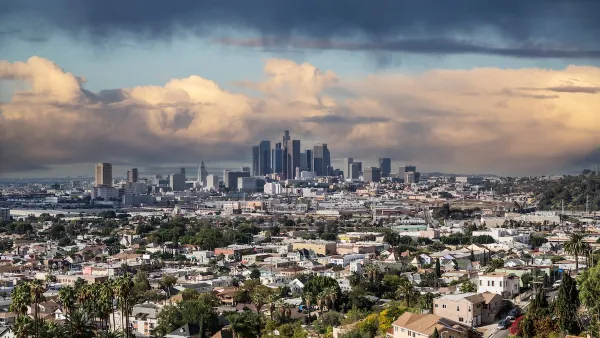
LA Neighborhood Residents Unite to Block Warehouse Project
A group of Lincoln Heights residents expressed concerns about a proposed warehouse that would have brought increased truck traffic to an already overburdened area.
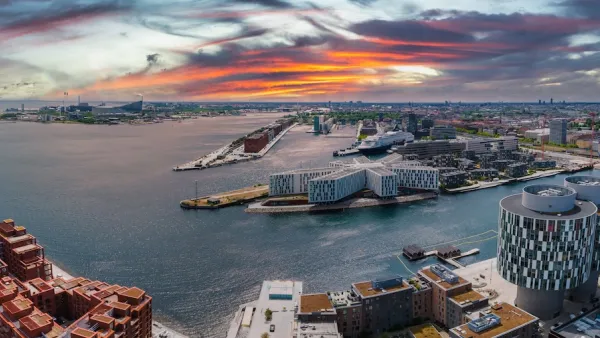
Retrofitting Old Cities for Sustainability
Explore strategies for retrofitting old cities to enhance sustainability while preserving historical integrity and managing logistical challenges.
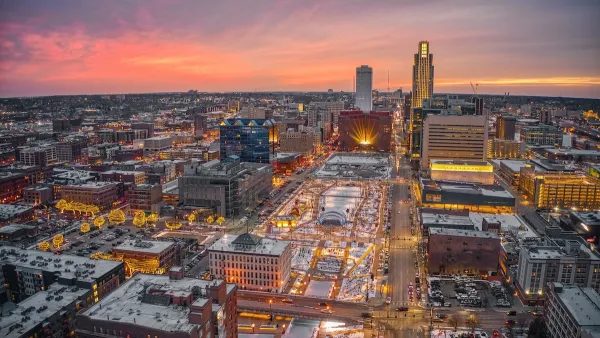
Omaha Streetcar Yielding $1.5 Billion in TIF Funds
The line, scheduled for completion in 2027, is bringing billions in new investment to the city’s urban core.
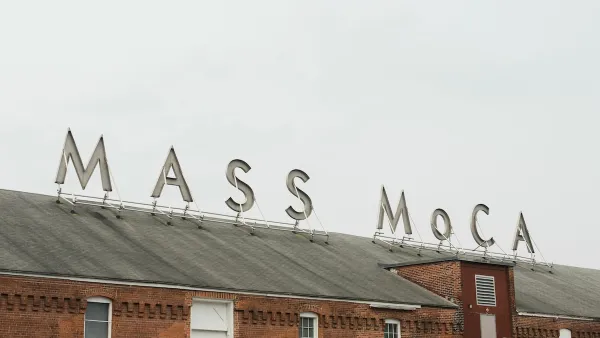
Old Walls, New Homes
From forgotten buildings to thriving neighborhoods, adaptive reuse has the power to transform our cities.
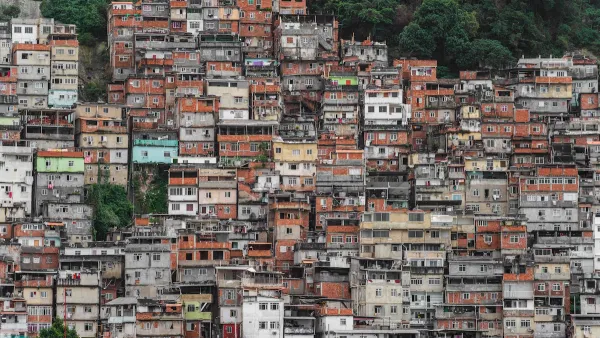
Housing as a Climate Resilience Strategy
Ensuring that housing, including in informal settlements, is safe and healthy for its residents is a key tool in the fight to build more sustainable and equitable communities in the face of climate migration.
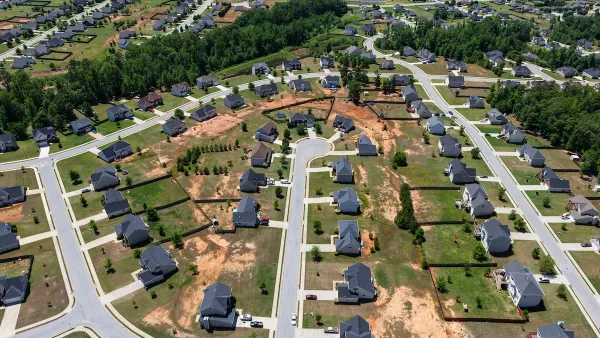
Commentary: Minimum Lot Sizes Drive Up Housing Costs
How making residential building requirements more flexible can ease the housing crisis and make neighborhoods more livable for more households.
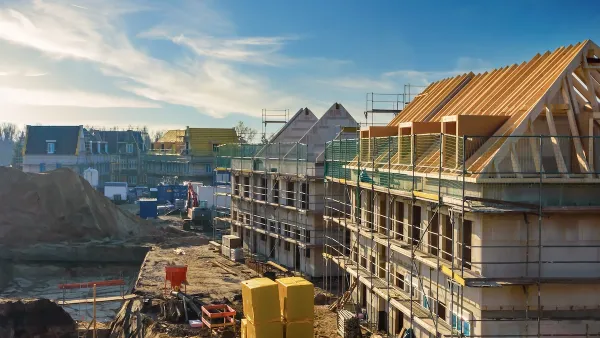
To Build More Housing, Cities Must Be Smarter in How They Use Land
How strategic land use policy decisions can alleviate the housing crisis and limit unsustainable sprawl.
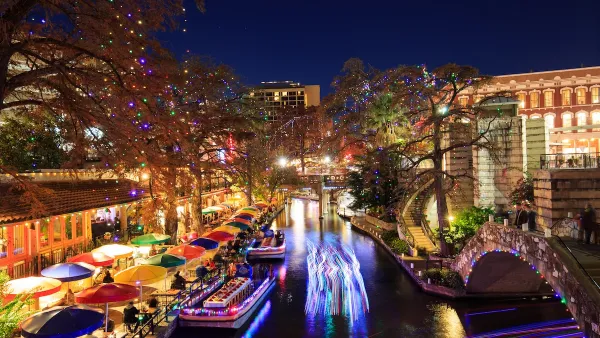
San Antonio: An Urban Planner's Guide to the City
Anchored by its picturesque river, San Antonio is a diverse city experiencing rapid growth in the shadow of its larger Texas neighbors.

A Framework for Inclusive Tree Planting in Los Angeles
The Los Angeles Urban Forest Equity Collective has developed an equity-centered tree-planting framework and toolkit to address historic underinvestment and mitigate extreme heat in vulnerable neighborhoods.
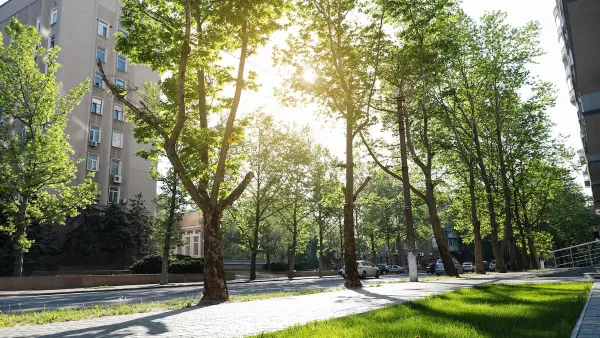
Mapping a Greener Future: Cal Poly Tackles Urban Canopy Challenges
Cal Poly, in partnership with Cal Fire, is leading the development of California’s new Strategic Plan for Urban Forestry, combining advanced data tools and interdisciplinary collaboration to expand tree canopy cover.
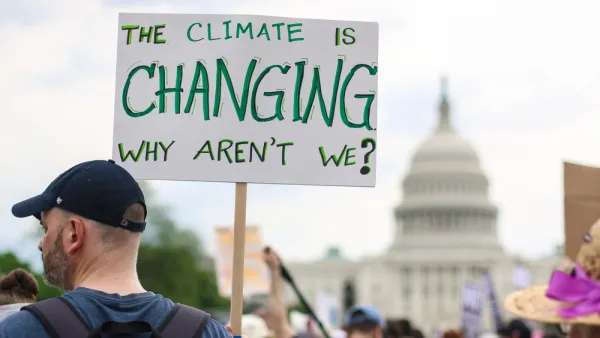
USDOT Releases Climate Strategies Playbook
The USDOT's new Climate Strategies that Work Playbook provides detailed information concerning benefits and implementation requirements for 27 transportation-related emission reduction strategies.
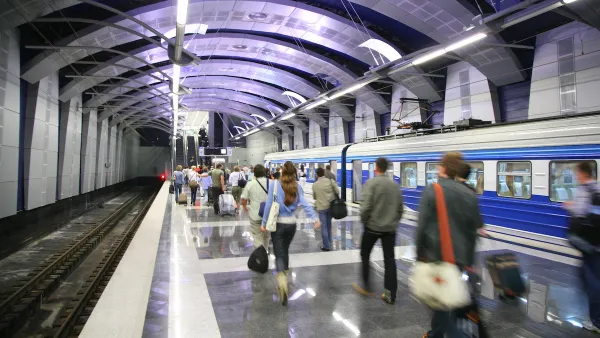
Freedom to Move: Investing in Transportation Choices for a Clean, Prosperous, and Just Future
This Union of Concerned Scientists study examines why and how to improve resource-efficient travel options to achieve diverse goals. It estimates that more efficient transport could save up to $201 billion in energy and $128 billion in health costs.

FREE Course: Walkable City 1: Why Walkability?
After describing his path towards focusing on walkability as the essence of good planning, Jeff Speck marches through his five principal reasons for making more walkable places.
Reinventing Malls: Planning Alchemy—Turning Gray Fields Into Gold
The course focuses on the opportunities and imperatives that shape reinvention of mall sites.

City of Rosemead
Rutgers University, Edward J. Bloustein School of Planning and Public Policy
One Hundred Miles
Hunter College, City University of New York (CUNY)
The Architects Foundation
University of Cincinnati Online
City of Cambridge
Montrose County
The Pocatello Development Authority









