Urban Development
2024: The Year in Zoning
Cities and states are leaning on zoning reform to help stem the housing crisis and create more affordable, livable neighborhoods.
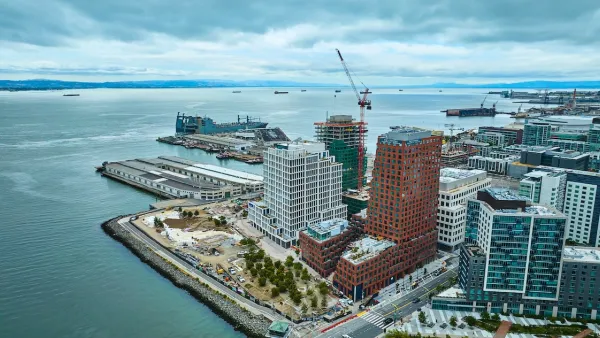
San Francisco Development Centers Pedestrians, Public Space
The Mission Rock project eliminates street parking, replacing it with public seating and landscaping.
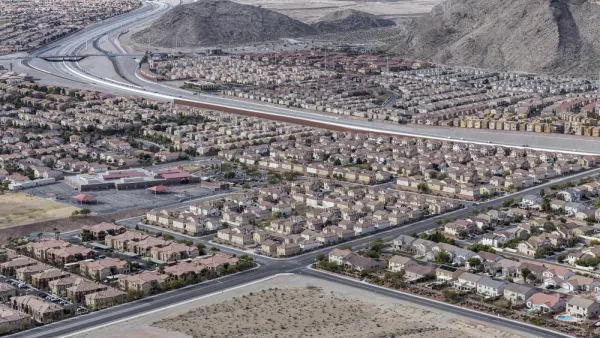
Research: Sprawl Linked to Poverty
Low-income families living in high-sprawl neighborhoods are limited in their access to education, jobs, and other amenities, often trapping them in a cycle of poverty.
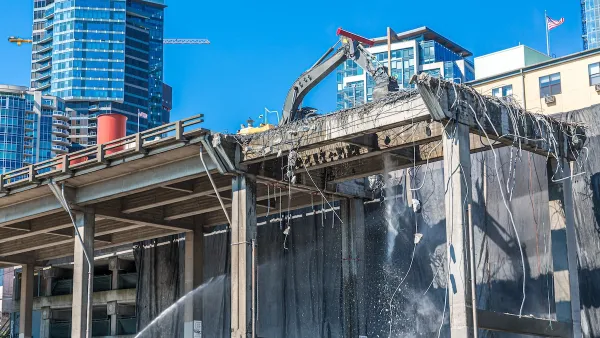
Highway Removal Slowed by Outdated Policy, Lack of Committed Funding
Resistance from state transportation departments and precarious funding sources mean highway removal projects are few and far between, despite their benefits.
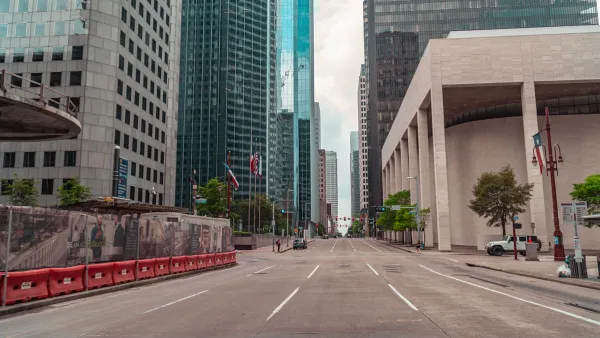
Research Links Urban Design and Human Happiness
An emerging field of ‘neuroarchitectural’ research is revealing how building facades and urban design impact the human brain and body.
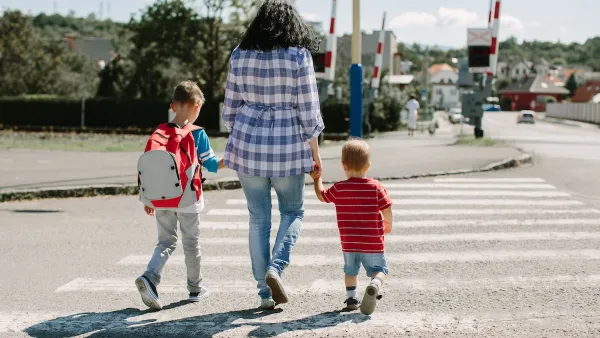
How Urban Design Can Benefit Parents and Kids
Designing thoughtful, child-friendly public spaces can ease the burdens of modern parenting and offer safe spaces for children to learn self-reliance and resilience.
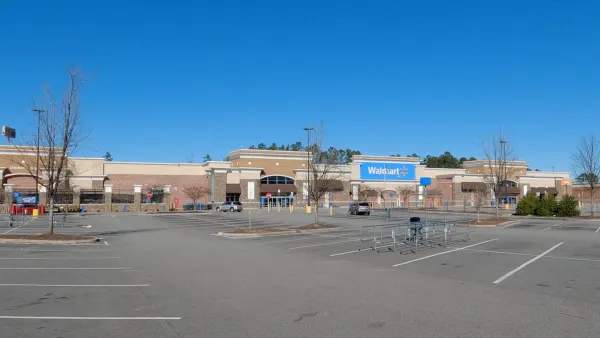
How Smaller Supermarkets Could Transform American Communities
Bigger is not always better.
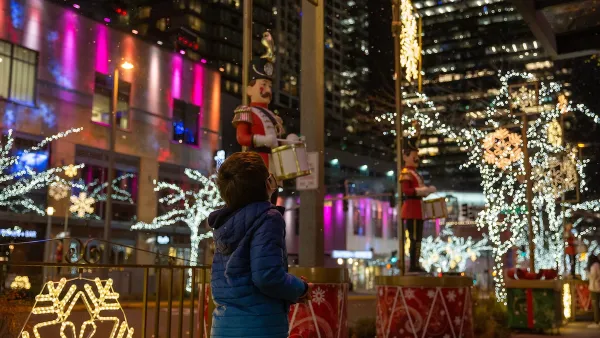
December Must-Reads: Top 10 Articles From Last Month
Making room for more housing, fixing broken sidewalks, and our favorite books of the year.
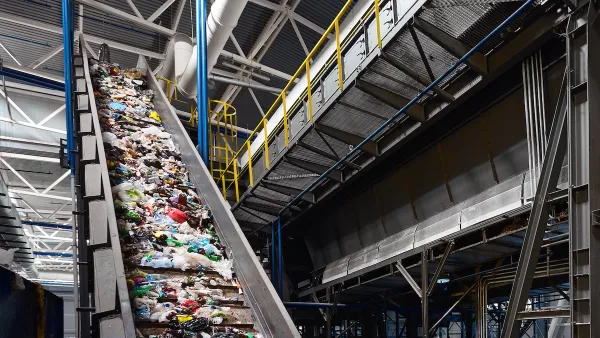
Recycling’s Real Impact: Challenges, Misconceptions, and the Path Forward
Recycling offers modest environmental benefits but faces significant challenges in effectiveness and scalability, requiring systemic changes like reducing plastic production and exploring alternative waste reduction strategies.
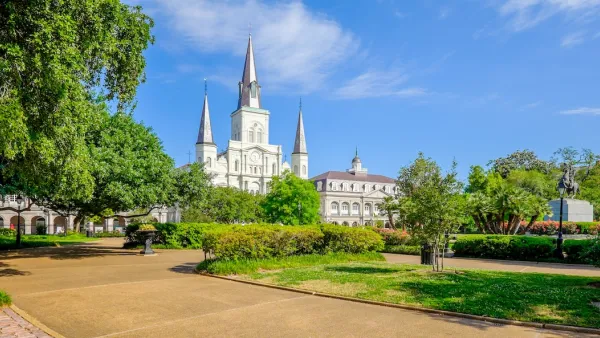
New Orleans Seeks Consultants for $8M Tree Planting Initiative
The city seeks consultancy firms to help implement an $8 million USDA Urban and Community Forestry Grant, advancing its goal of planting 40,000 trees by 2030 and strengthening urban sustainability and resilience.
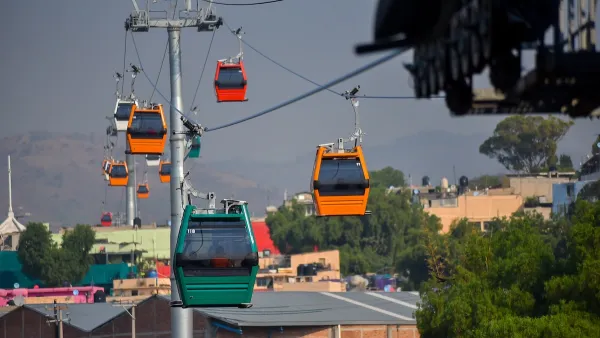
Mexico City Raises Mobility, Public Works Budget Ahead of World Cup
The Mexican capital plans to improve mobility to its major sports venues and invest in public works and infrastructure.
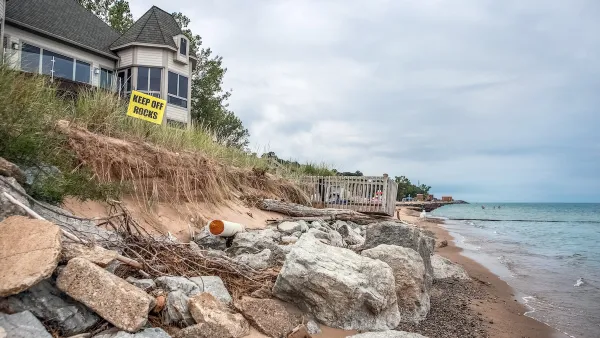
How US Cities Can Prepare for Climate Disasters
Resilience, encompassing infrastructure, governance, economic strength, and social cohesion, is critical for cities to mitigate rising climate risks like flooding, wildfires, and heat, ensuring long-term recovery and adaptability.
Planetizen’s Top Posts of 2024
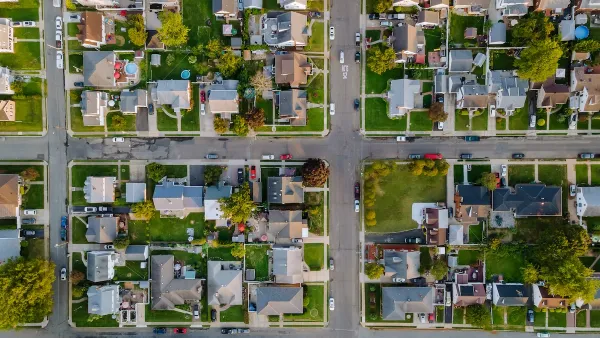
The most-read articles on Planetizen in 2024.
Silent Threat: America’s Abandoned Oil Wells and the Danger Beneath
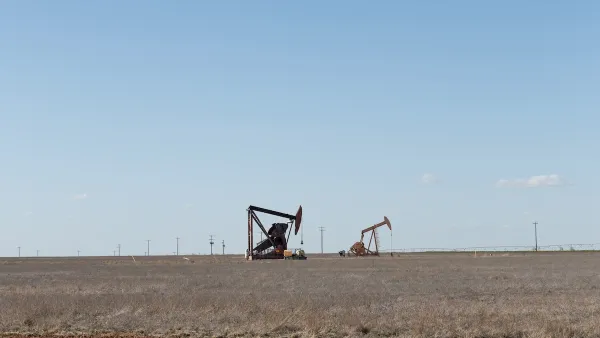
Abandoned oil and gas wells across the U.S. pose significant environmental, health, and safety risks, with many leaking hazardous gases and chemicals, highlighting regulatory failures and the immense financial burden of remediation.
DC Suburban Light Rail Expansion Prompts Mixed-Use Development
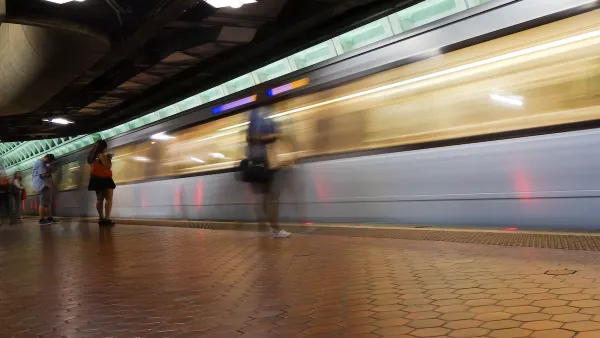
The Purple Line’s expansion into Maryland suburbs in 2027 has spurred TOD along the line.

Students Drive Solutions for Environmental Justice Through Video Challenge
The Environmental Justice Video Challenge empowers students and communities to collaboratively address environmental inequities through innovative data-driven strategies, resulting in impactful projects and fostering local leadership.
The Glass City’s Riverfront Sparkles with Promise
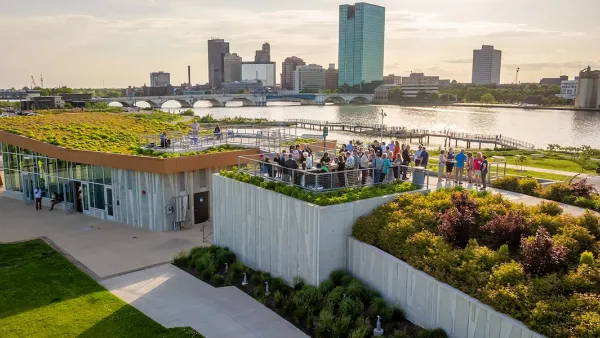
How Toledo is transforming its waterfront into a beloved community space.
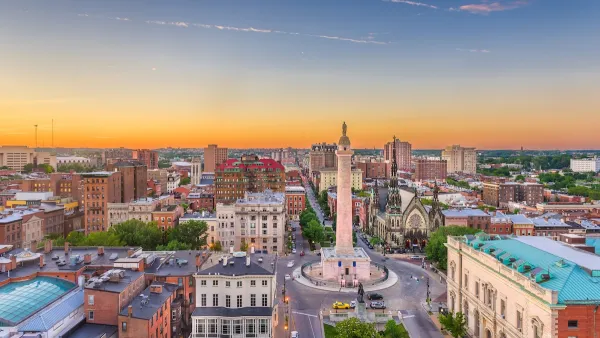
Rebuilding Together: How One Baltimore Program Advanced Education and Community Development
When Baltimore got funding for a round of school renovations, the state directed it to design schools that would also advance neighborhood revitalization — and it learned some lessons about why that's not always so simple.

Planetizen’s Top Urban Planning Books of 2024
Top of mind in 2024 were the far-reaching impacts of climate displacement, zoning as a solution to the housing crisis, and the potential for safer roads and better public transit in American cities.
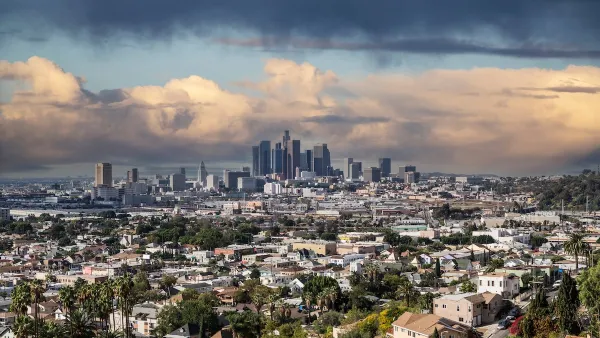
LA Neighborhood Residents Unite to Block Warehouse Project
A group of Lincoln Heights residents expressed concerns about a proposed warehouse that would have brought increased truck traffic to an already overburdened area.

FREE Course: Walkable City 1: Why Walkability?
After describing his path towards focusing on walkability as the essence of good planning, Jeff Speck marches through his five principal reasons for making more walkable places.
Reinventing Malls: Planning Alchemy—Turning Gray Fields Into Gold
The course focuses on the opportunities and imperatives that shape reinvention of mall sites.

Greater Baltimore Committee
Eagle County Government
Harvard University Graduate School of Design
The Architects Foundation
University of Cincinnati Online
The Pocatello Development Authority
The Urban Renewal Agency of the City of Pocatello
Journal of the American Planning Association