Transportation
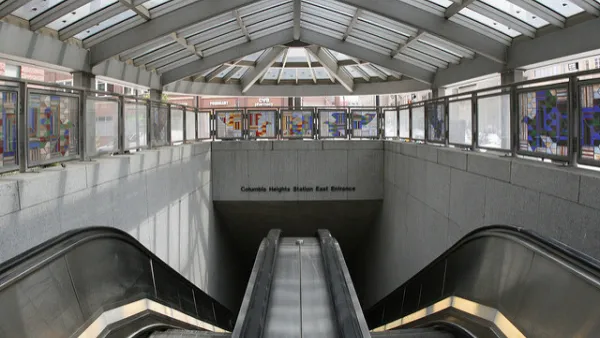
Modernizing the D.C. Metro for a Growing Midtown
The neighborhoods served by Washington D.C.'s Yellow Line have grown and it's time for the train to catch up.
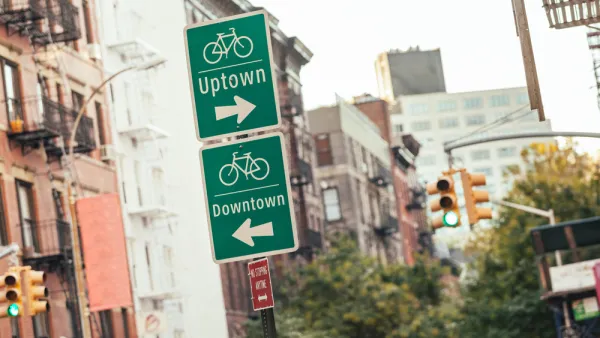
An Economic Assessment of the Public Health Benefits of Bike Lanes
Bike lanes are considered a social intervention, and not directly medically related. But they are also proving to have an obviously positive effect on public health outcomes.
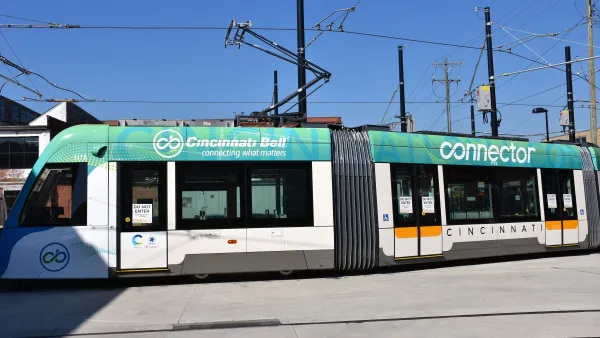
Cincinnati Leadership Trades Barbs Over Streetcar Frequencies
The popularity of the new Cincinnati Streetcar—known officially as the Bell Connector—has been tempered by poor performance on contractually mandated 15-minute headways.
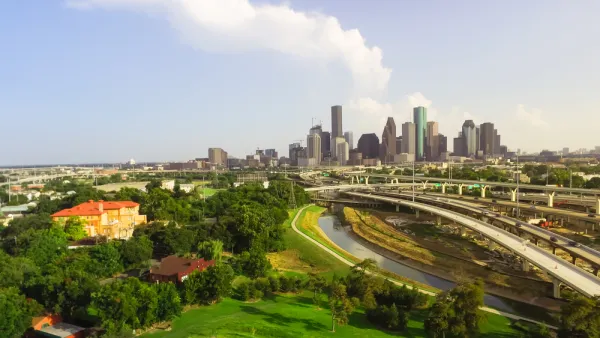
Are Texans Driving Less? Depends on Who You Ask
Local and regional transportation planners responded skeptically to data from the Texas Department of Transportation showing Texans driving less.
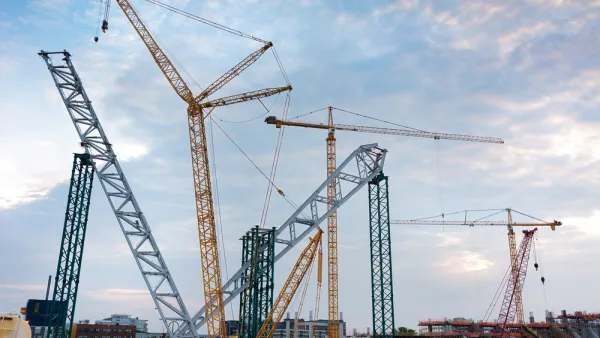
Funding Rolling in for Still-Uncertain Nicollet Ave Streetcar in Minneapolis
Several new developments are adding funds to the pot of money in a streetcar district created by Minneapolis to circumvent a politically unpalatable tax increment financing district.
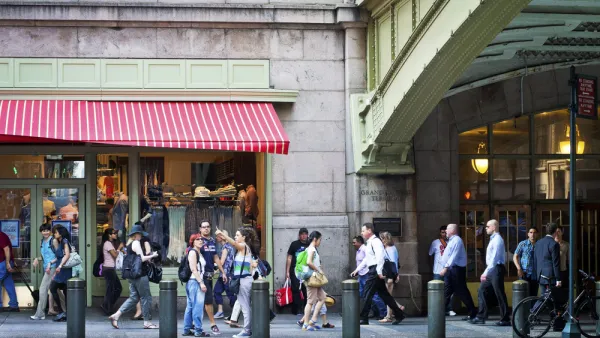
Bill Introduced to Relieve Congestion—on Sidewalks
New York City has come a long way since the Giuliani days, when sidewalk barriers were placed at intersections to facilitate turning vehicles, thus prohibiting pedestrians from crossing the street.
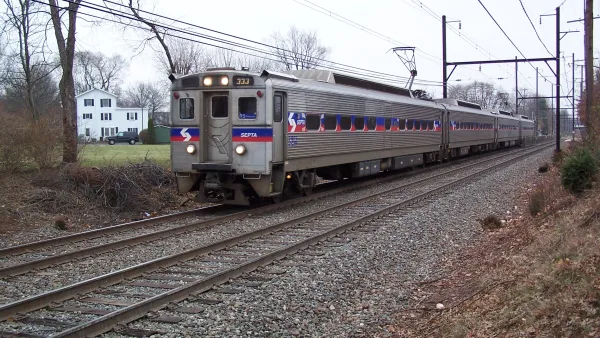
SEPTA Trains Running on Schedule for the First Time in Two Months
The Southeastern Pennsylvania Transportation Authority returned to a normal commute schedule today, after making sufficient repairs to new trains that didn't start on the right track.
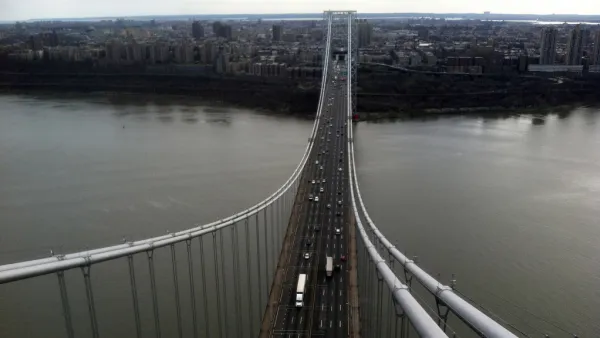
Bridgegate Implications for New Jersey and Beyond
In The New York Times Sunday Review, Matt Katz, a political reporter for WNYC and New Jersey Public Radio, gives an update on the federal trial for 'Bridgegate' and also paints a bleak picture for New Jersey, and maybe the United States.
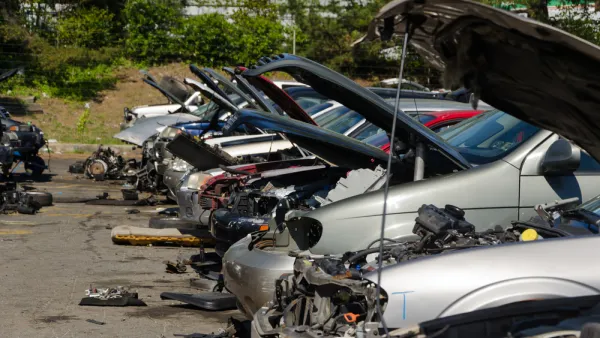
Rethinking Traffic Safety
The United States has, by far, the highest traffic fatality rate among peer countries. Don’t blame drivers; planners need to rethink transportation safety.
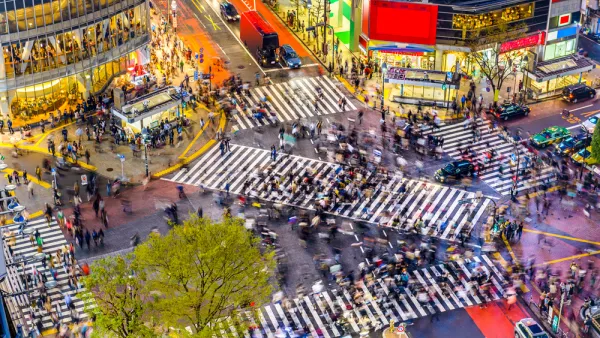
Engineers Scramble for Pedestrian Safety in Los Angeles and Santa Monica
A "good news" story for pedestrians emerges from the streets of Los Angeles and Santa Monica. Traffic signals at heavily used pedestrian intersections have been reengineered to add a 'scramble phase' and the results are startling.
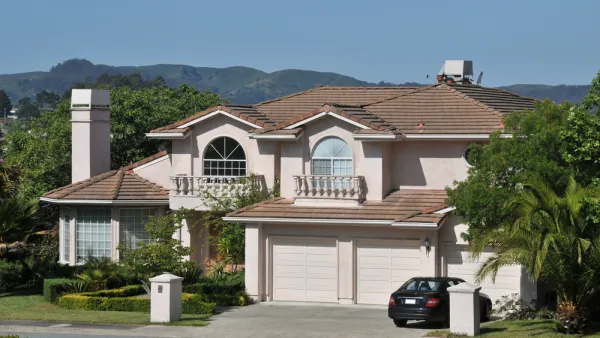
Today in the New Economy: Driveway-Sharing Apps
Two start-ups promise L.A. drivers on-demand parking and electric vehicle charging.
Landmark Agreement Reached to Increase New Jersey Gas Tax by 23 Cents
A day after a fatal NJ Transit train crash at the Hoboken Terminal, Republican Gov. Chris Christie and Democratic leaders of the legislature announced the agreement to raise the tax by 159 percent; the first increase to the *14.5-cent tax since 1990.
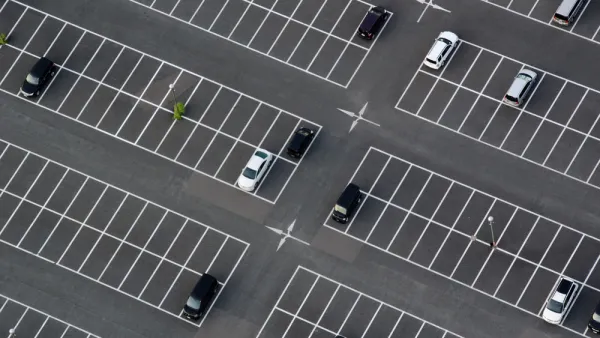
How Cities Are Slimming Down on Parking
Cities around the world are finding ways to go on a parking diet, freeing up unused space. San Francisco and Philadelphia are two U.S. leaders, while cities like Paris, Copenhagen, and Zurich pursue even more aggressive measures.
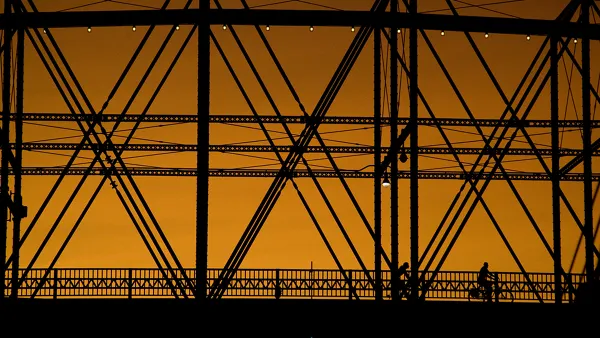
Pittsburgh Planning Two Big New Bike Lane Projects
A city already known for its livability is ready to add new bike lanes in high profile locations.
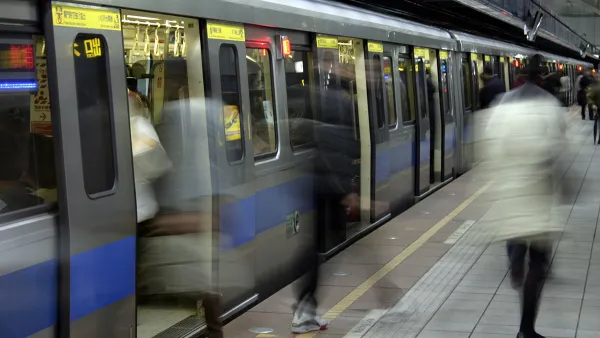
New York Adding Transit Jobs at Rapid Rate
Even as other middle class jobs disappear, the transportation sector continues to grow.
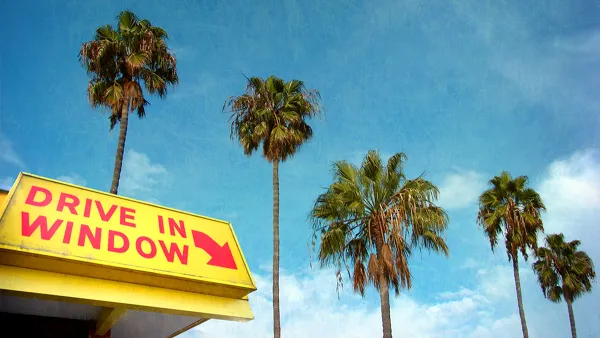
Are Drive-Thru Stores Appropriate For Walkable Neighborhoods?
Anthony Morando of New York's Cuddy & Feder LLP offers an opinion that drive-thru uses like fast food stores and pharmacies can co-exist in walkable communities. Examples given of drive-thru stores that have been designed to be contextually sensitive
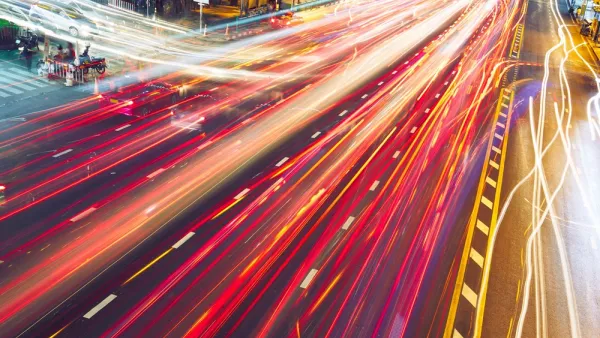
White House Announces New Wave of 'Smart Cities Initiative' Funding
The Obama Administration is offering another $80 million in funding to test new transportation technologies.
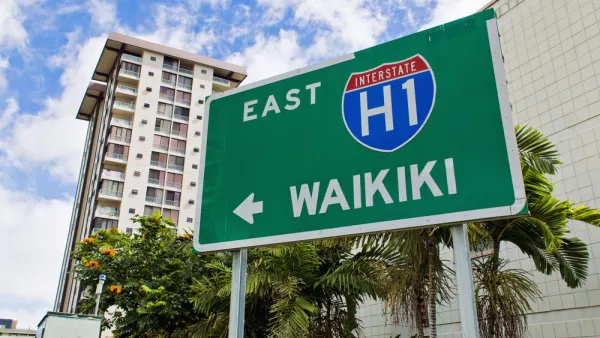
Hawaii to Embark on Nation's Largest Mileage Fee Demonstration Program
Unlike the more limited Oregon and California road usage charge programs currently in operation, Hawaii's program envisions over one million motorists participating in the demonstration program.
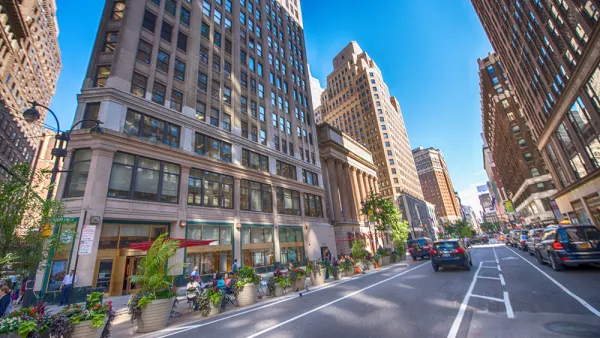
How Far Can You Take Complete Streets?
8th Avenue was one of New York’s first "complete streets." Coined in 2003, the term refers to including cars, pedestrians, bikers, and public transit into city thoroughfares instead of prioritizing cars. Today, the trend is growing to other cities.
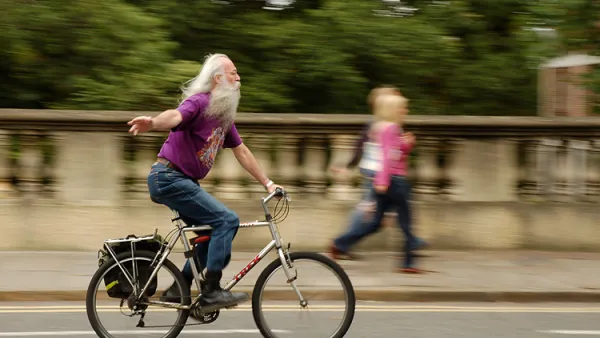
Friday Funny: Some Cyclists Hand Signal Better Than Others
The satirical website The Onion once again casts its gaze on the habits of cyclists.

FREE Course: Walkable City 1: Why Walkability?
After describing his path towards focusing on walkability as the essence of good planning, Jeff Speck marches through his five principal reasons for making more walkable places.
Reinventing Malls: Planning Alchemy—Turning Gray Fields Into Gold
The course focuses on the opportunities and imperatives that shape reinvention of mall sites.

City of Rosemead
Rutgers University, Edward J. Bloustein School of Planning and Public Policy
One Hundred Miles
University of Michigan School for Environment and Sustainability (SEAS)
Hunter College, City University of New York (CUNY)
The Architects Foundation
City of Cambridge
The Pocatello Development Authority
The Urban Renewal Agency of the City of Pocatello









