Cost of Sprawl
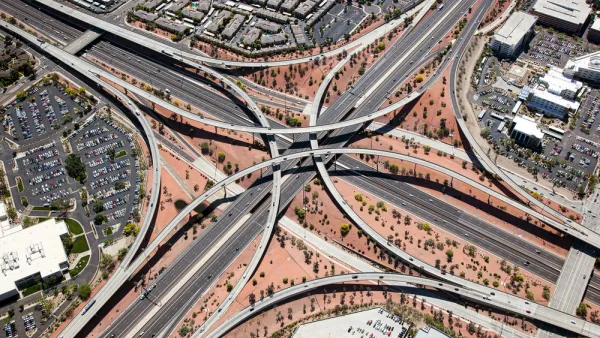
The Economic Defense of Sprawl (And What's Wrong With It)
Defenders of suburban expansion argue that government should build more roads in order to open up more land for housing. What's wrong with that argument?
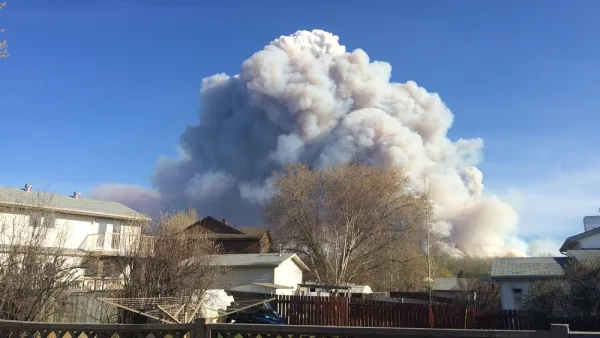
What Goes Together? Sprawl and Destructive Wildfires
Wildfires tend to start at the Wildland-Urban Interface: those border zones between cities and the open land surrounding them. Keeping the lid on sprawl, it can be argued, would tame the inferno.
Memphis Wants To Shrink
After decades of sprawl, Memphis begins to reconsider its growth pattern and chart a new course towards fiscal sustainability.
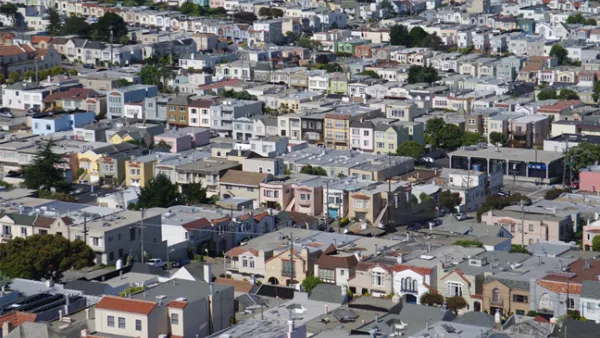
The Real Reasons Affordable Housing Isn't Being Built in California
The policy tools used to address our nation's housing shortfall often seem to worsen the problem. But this is because they ignore the underlying infrastructure and financing to support growth.
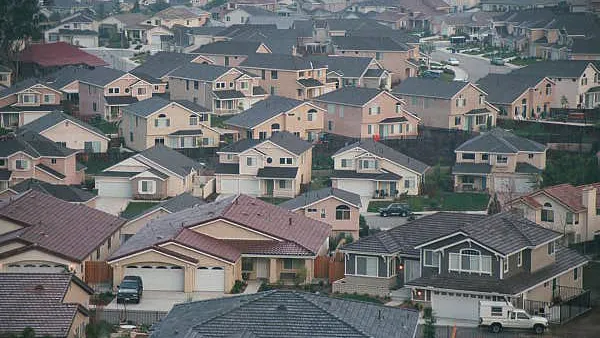
American Suburbia Transplanted to Beijing
Chinese and Indian cities have been quick to welcome housing developments modeled on North American suburbs, including "Orange County" and "Vancouver Forest" in Beijing. This globalized sprawl perpetuates all the ills of our own.
The Suburban Story; Continued
Any narrative of the contemporary American residential market that neglects the continued proliferation of sprawl fails to describe the complex preferences of the public.
How Urban Design Begets Happiness
A new book by Charles Montgomery makes the case that many of the best possible outcomes for the built environment require human interaction—whether commuting to work or walking around residential neighborhoods.
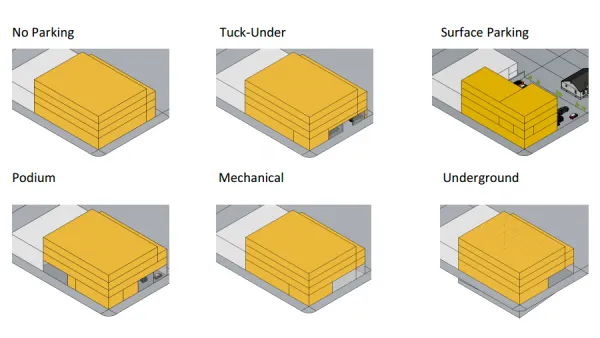
How Parking Rules Raise Rents
Alan Durning details the negative effects that parking requirements have on housing affordability.
New Tool for Tallying the Costs of Sprawl
The State of New Hampshire has created an interactive online tool for its municipalities to examine the impacts of different land use scenarios, in the hopes of promoting smart growth. Geneva Faulkner describes how it works.

FREE Course: Walkable City 1: Why Walkability?
After describing his path towards focusing on walkability as the essence of good planning, Jeff Speck marches through his five principal reasons for making more walkable places.
Reinventing Malls: Planning Alchemy—Turning Gray Fields Into Gold
The course focuses on the opportunities and imperatives that shape reinvention of mall sites.

City of Rosemead
Rutgers University, Edward J. Bloustein School of Planning and Public Policy
One Hundred Miles
University of Michigan School for Environment and Sustainability (SEAS)
Hunter College, City University of New York (CUNY)
The Architects Foundation
City of Cambridge
Montrose County
The Pocatello Development Authority









