Gasoline Consumption
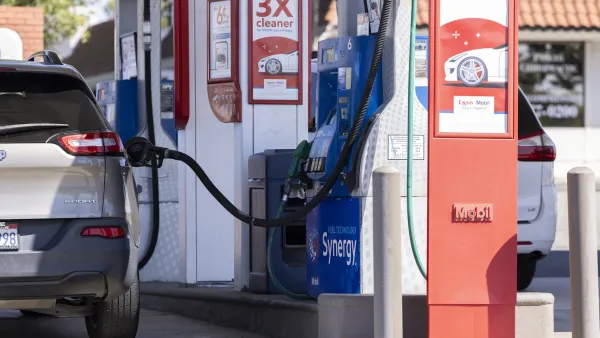
Analysis: Suspending the gas tax wouldn't save Americans much on gas this summer
Even if Congress approves a proposal to temporarily lift the federal gas tax, a variety of other factors and transportation and processing delays would mean American consumers would see little difference at the pump.
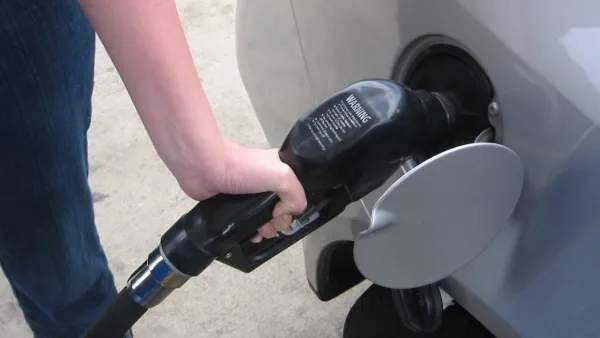
U.S. Gasoline Consumption Jumps Three Percent in First Six Months of 2016
Gasoline consumption continued to increase for the first six months of the year, as it has for the last years, reports the Federal Highway Administration. What's different this year is that it was by the largest amount, ever.
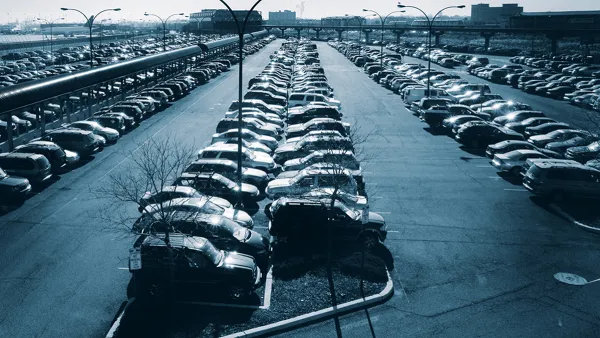
Editorial: A Compelling Case for a Carbon Tax
With record amounts of gasoline burned by America's passenger vehicle fleet which is increasing composed of light trucks rather than cars, and with Americans driving record distances, The Washington Post argues it's time for a carbon tax.
U.S. Gasoline Consumption Up, Oil Production Down
Gas prices are on the rise, though they will remain well below 2014 levels through this year. U.S. oil production dropped by 600,000 barrels from last year, while gas consumption is on track to break the 2007 record thanks to cheap gas and more SUVs.
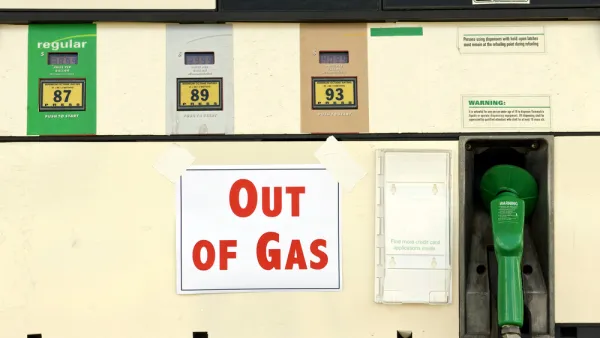
Guess Where Americans Are Plowing Their Gas Savings
Gas prices are 80 cents a gallon less than a year ago and $1.50 less than April 2014. With this amount of savings, the economy should be improving from all the extra cash in consumers' hands. You'll be surprised where much of the savings is going.
California Fuel Consumption Rises—First Time in Eight Years
For the first time since 2006, gasoline consumption in California increased from the prior fiscal year. From July 2013 through June 2014, consumption increased 1 percent.
Do You Know What Year the U.S. Hit Peak Gasoline Consumption?
Michael Sivak of the Univ. of Michigan has published another key report documenting our waning love affair with the automobile. Sivak documents peak overall gasoline consumption occurring in 2004. Per capita fuel consumption may have peaked in 2003.
Proposed Energy Reforms in Mexico Could Reverse Oil Production Decline
Mexico, the world's 9th largest oil producer and first to nationalize its oil production, has seen steep production declines as the state-owned oil company lacks capital resources and expertise. Constitutional reforms would entice private investment.
U.S. Now Exports More Petroleum Products Than It Imports
Petroleum products are defined as refinery products, such as fuel. The U.S. passed a threshold in November. The EIA recorded 689.4 million barrels of oil refinery products imported and 753.4 million barrels exported in the first 9 months of 2011.
The Ethanol Glut
There's a glut of ethanol on the market, and the solutions to consume it are not easy. The maximum blend in gasoline is 10% before it affects the catalytic converter, and E85 can't compete with the more efficient, though more expensive, gasoline.

FREE Course: Walkable City 1: Why Walkability?
After describing his path towards focusing on walkability as the essence of good planning, Jeff Speck marches through his five principal reasons for making more walkable places.
Reinventing Malls: Planning Alchemy—Turning Gray Fields Into Gold
The course focuses on the opportunities and imperatives that shape reinvention of mall sites.

City of Charlotte
City of Rosemead
Rutgers University, Edward J. Bloustein School of Planning and Public Policy
University of Michigan School for Environment and Sustainability (SEAS)
Hunter College, City University of New York (CUNY)
The Architects Foundation
University District Partnership









