Suburbs
Day Two of the National Planning Conference: Staying on the Cutting Edge
The American Planning Association gathers for its first in-person National Planning Conference since 2019. Planetizen is in attendance. Here is some of what we saw on the second day of the conference.

Census: Big Cities Lost Population During the Pandemic
For the first time in at least three decades, major metropolitan areas in the U.S. showed negative population growth during the peak of the COVID-19 pandemic.
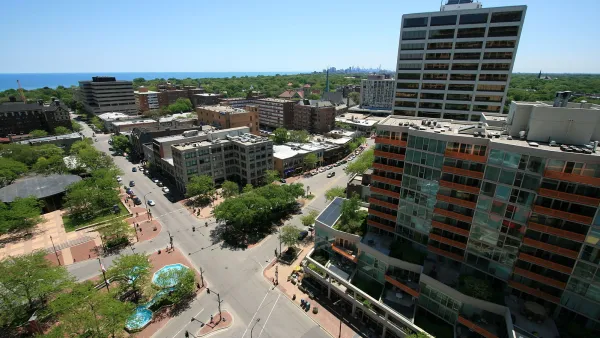
Chicago Suburbs Luring Back Major Employers
As more workers move away from the central city due to high costs and remote work opportunities, companies that once relocated downtown are eyeing Chicago’s suburbs once again.

Resilience Planning for Suburban Growth
Whether or not the suburban shift accelerated by the pandemic continues, policymakers can implement climate resilience strategies and guide sustainable growth in both cities and exurbs.

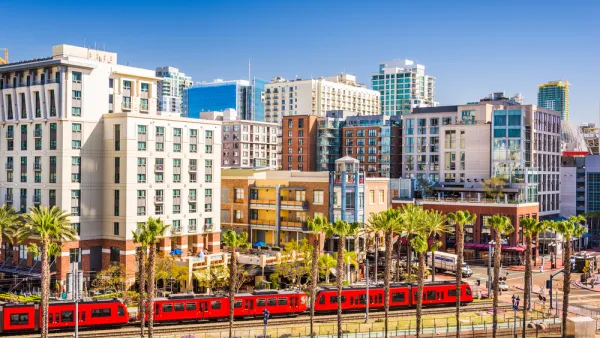
San Diego County Development Turns Inward
Formerly a bastion of sprawling suburban developments, the San Diego region is experiencing a renaissance of urban infill development and higher-density, mixed use construction projects.
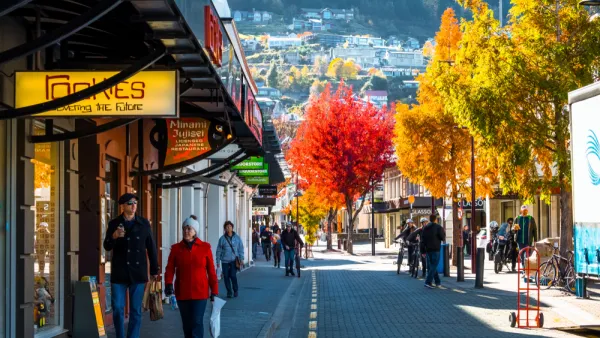
Zoning Reform: Lessons From New Zealand
The island nation is mandating mid-density zoning requirements and transit-oriented development in an effort to increase housing affordability and encourage compact development.
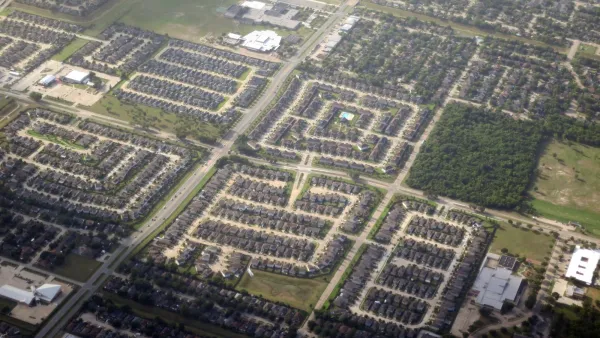
Houston Area's Center of Gravity Shifts Outside the Loop
The population center of Harris County is now outside central Houston, a shift that occurred over the last two decades as the region's suburbs blossomed.
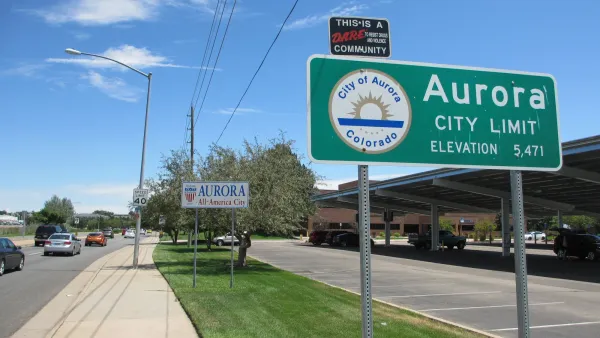
Mobile Social Services Address Gaps in Suburban Colorado
In the Denver suburb of Aurora, nonprofits are using 'mobile public spaces' to reach refugees settling in the autocentric community.
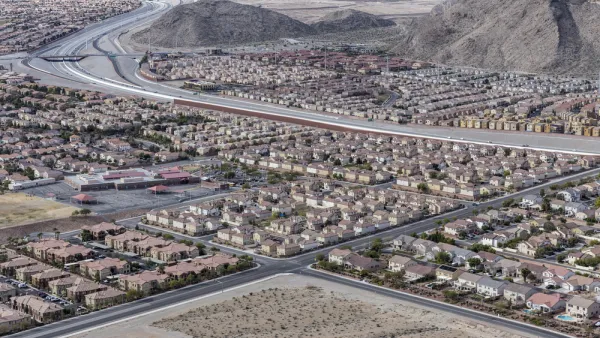
How COVID-19 and Skyrocketing Housing Costs Accelerated Sprawl
In search of space and affordability, American families are increasingly moving to suburbs and exurbs.
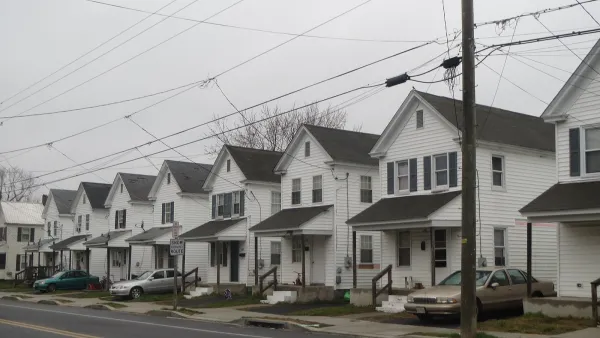
Opinion: Oversized Mansions Are Harming Maryland Neighborhoods
'Mega-mansions' are rapidly replacing smaller single-family homes, pushing Maryland residents out of its formerly affordable suburbs.

Snowstorm That Stranded Thousands Prompts Questions About Auto-Centric Development
After thousands of motorists spent over a day on a snowbound Virginia highway, experts are warning that auto-centric sprawl will worsen the impacts of extreme weather events.

What Is White Flight?
'White flight' refers to the exodus of white Americans from central cities to suburbs in the early and mid-20 century, a phenomenon which led to declining tax revenue and business closures that created lasting damage to urban neighborhoods.

How Cities Can Plan For the Rise of Autonomous Vehicles
When cars first started proliferating on American roads, it led to increased sprawl and flight from central cities. What can we do now to prevent the same problem as AVs become more widespread?
The 2010s: The Decade of the Suburban Rental
Census data reveal a growing number of suburbs are home to a majority of renters. The data challenges the "very definition of suburban living," according to this article.

Opinion: Car-Centric Cities Hurt Kids
Designing neighborhoods with children in mind could reduce traffic fatalities and improve the health and well-being of kids.

Report: D.C. Housing Too Decentralized
Over the last three decades, the D.C. region has seen the most development in far-flung exurbs disconnected from area jobs and transit networks.

The Changing Demographics of Denver's Suburbs
The Colorado Demographer's Office is projecting big changes for the demographics of the suburban counties and cities surrounding Denver—even as overall growth for the region is expected to slow.
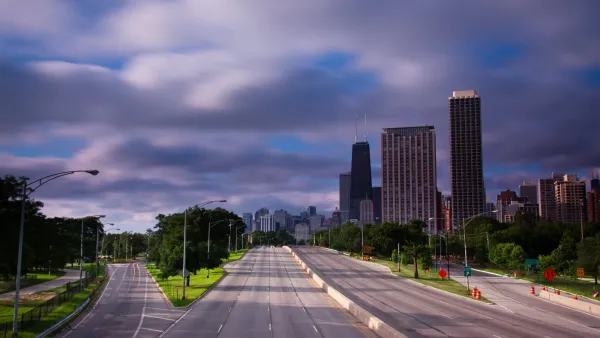
Americans Are Moving, but Staying Close to Home
Despite fears of a mass exodus, most cities are seeing only modest population losses, with the majority of movers staying in the same metro area.
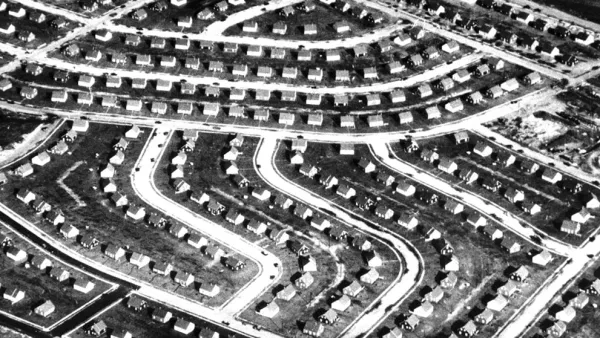
What Is Levittown?
Known as the archetypal post-war American suburb, Levittown was the first mass-produced housing development and set a standard for planned subdivisions for decades to come.
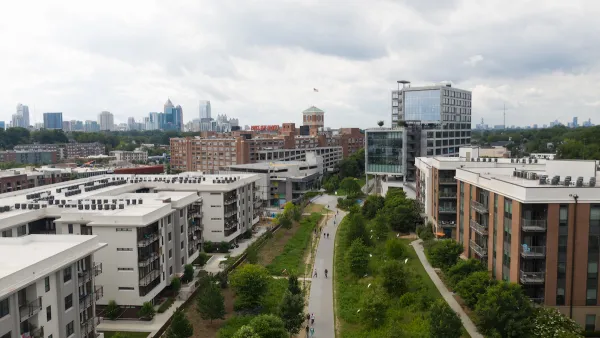
Suburban Renters Flocked to Atlanta During the Pandemic
The city's comparatively affordable rents and low unemployment rate have attracted new residents during a year when many big cities saw their population growth slow.

FREE Course: Walkable City 1: Why Walkability?
After describing his path towards focusing on walkability as the essence of good planning, Jeff Speck marches through his five principal reasons for making more walkable places.
Reinventing Malls: Planning Alchemy—Turning Gray Fields Into Gold
The course focuses on the opportunities and imperatives that shape reinvention of mall sites.

City of Charlotte
City of Rosemead
Rutgers University, Edward J. Bloustein School of Planning and Public Policy
University of Michigan School for Environment and Sustainability (SEAS)
Hunter College, City University of New York (CUNY)
The Architects Foundation
City of Cambridge
The Pocatello Development Authority
The Urban Renewal Agency of the City of Pocatello









