Public Transportation
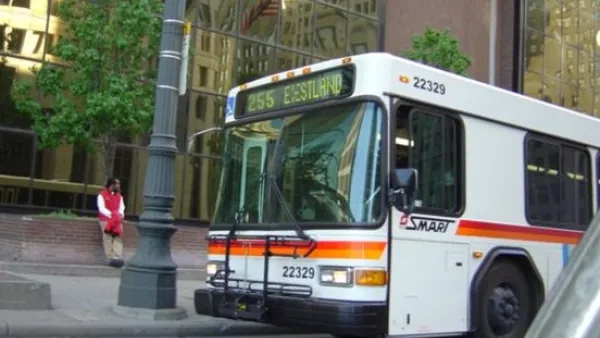
Is Fare-Free Transit Worth Reduced Transit Service?
Transit advocates worry that the movement to eliminate fares will come at a high cost to transit-dependent riders who rely on frequent, reliable service to reach jobs and services.
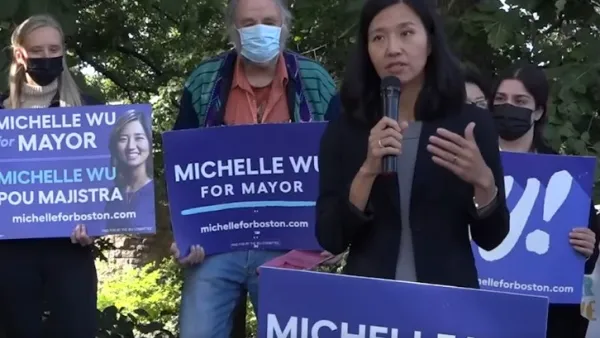
Boston's New Bus-Riding Mayor Could Make a Real Impact on Climate Change Goals
Recently elected Boston mayor Michelle Wu, a bus rider herself, has the potential to be 'America's first actual climate mayor.'
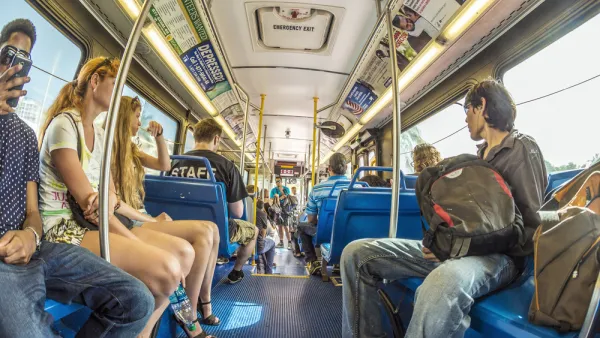
To Fight Climate Change, Support Public Transit
Electric cars may garner a lot of attention these days, but significantly reducing carbon emissions and urban congestion means investing in high-quality mass transit.
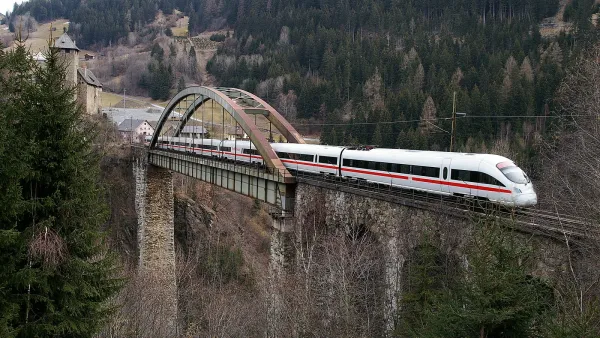
'Klimaticket' Provides Seamless Travel Across Austria For $3.50 Per Day
A newly launched annual train pass is geared toward reducing private car trips and simplifying travel across all of Austria's public transport systems.
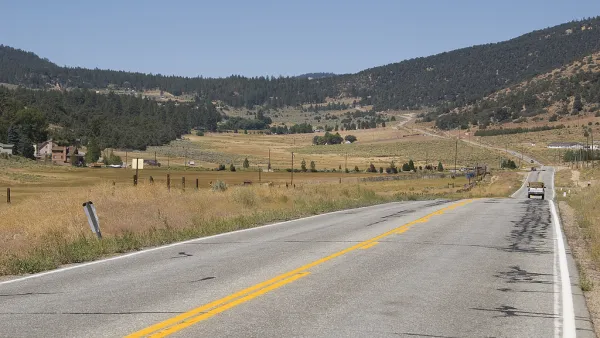
Report: Rural Communities Urgently Need Safer Transportation
Despite the reputation of rural America as "drive-through country," many residents depend on walking and transit to get around.
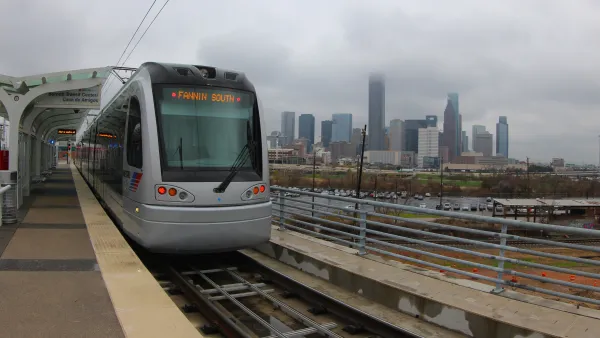
Houston Needs More Public Transit Funding, Report Finds
While ridership dropped during the pandemic, many 'essential workers' continued to rely on Houston Metro's services, signaling the crucial role of public transit for the city's economy.
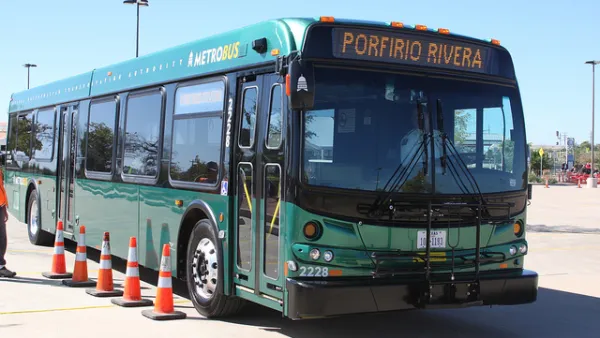
Coming Soon to Austin: More Electric Buses, Two New High-Frequency Lines
Austin's transit agency is accelerating its move toward an all-electric fleet with the addition of 200 new electric buses.
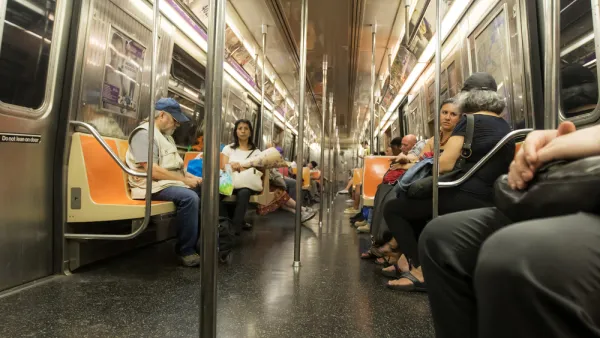
Transit Riders Want An Improved Experience Post-Pandemic, Survey Says
A survey of public transit users indicates riders want to see more tech features that improve their experience, such as trip planning and improved payment platforms.
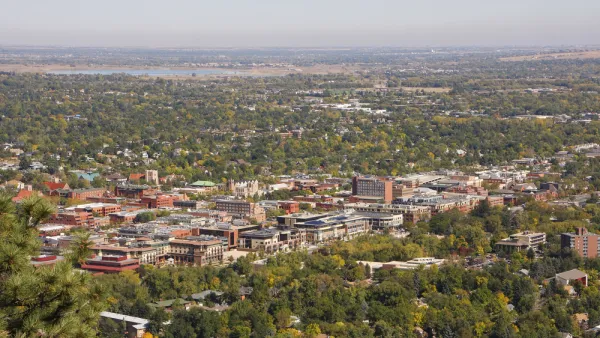
Boulder County Asks for Binding Agreement From RTD for More Transit Service
County officials claim the region has not seen improved transit service despite the infusion of federal funding aimed at increasing service in small urbanized areas.
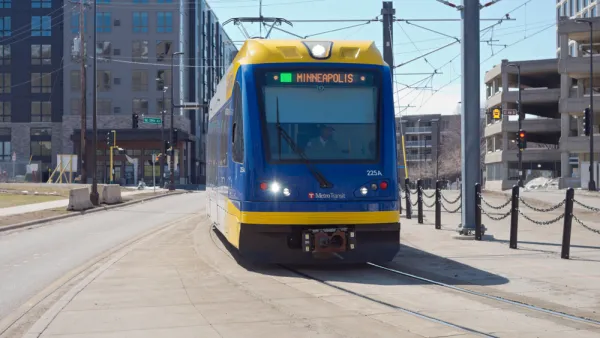
Three New Programs to Increase Transit Ridership in the Twin Cities
With peak hour commuter travel not expected to rebound to pre-pandemic levels, Metro Transit is getting creative in its efforts to attract new riders.
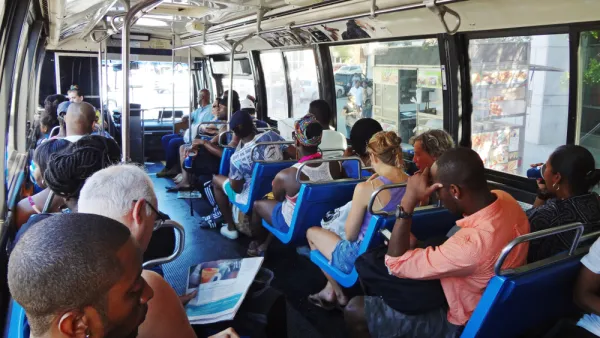
Transit Needs Service Changes, Now More Than Ever
As travel patterns and needs shift, transit agencies should look at service changes as a much-needed 'regular practice.'
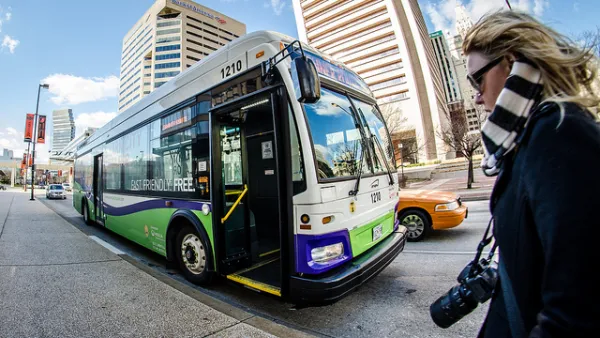
Bus Transit Still Faces Social Stigma
Improving headways and making service more reliable can help reduce the negative public image faced by urban bus transit.
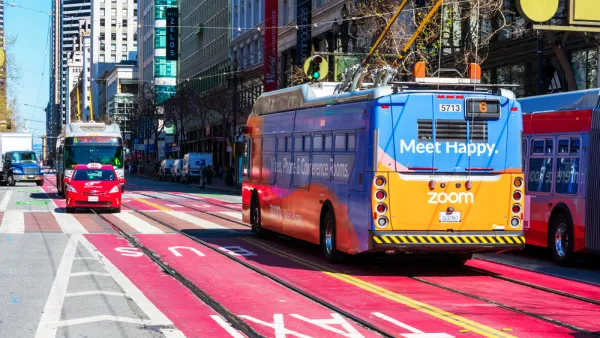
Where Did the Federal Transit Funding Go?
The final infrastructure deal cutting by more than half the transit funding proposed in the American Jobs Plan.
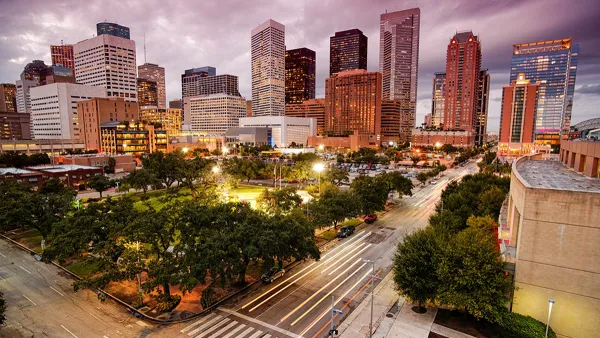
Houston Transit Agency Moves Forward With Long-Range Plan Even as Revenue Falls
Despite reduced ridership during the COVID-19 pandemic, Houston Metro is pushing ahead with its $7.5 billion long-range transit plan.
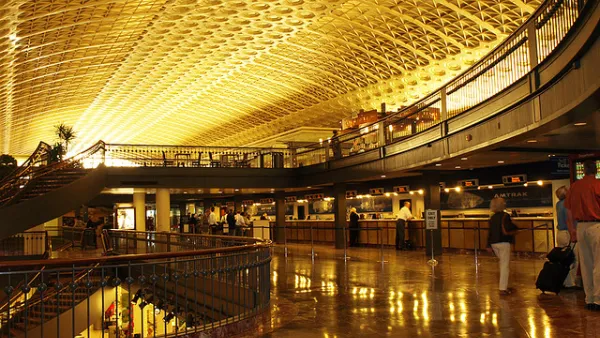
D.C. Transit Implementing Major Changes, Hopes to Boost Ridership
Flat fares, reduced wait times, and extended late-night service are all part of a package of changes meant to bring riders back and adjust to post-pandemic travel patterns.
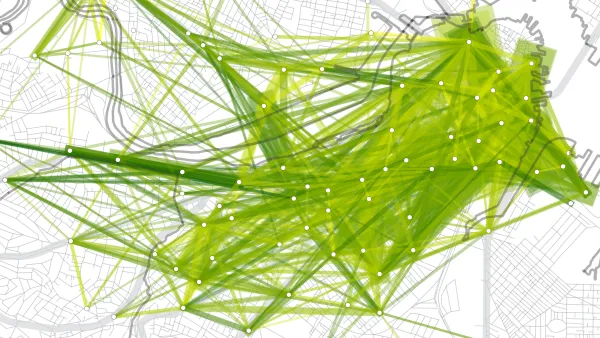
How Data and Tech Can Support Transit Planning
Agencies can use data resources to improve their decision-making and provide more responsive service.
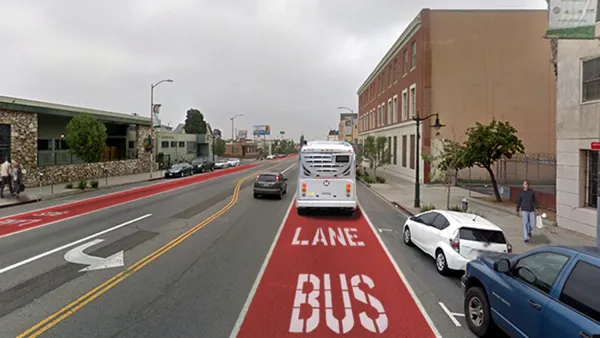
To Regain Transit Ridership, Policymakers Must Address Land Use and Housing
More buses and trains alone won't bring back riders; other incentives are needed to boost ridership and encourage new users.
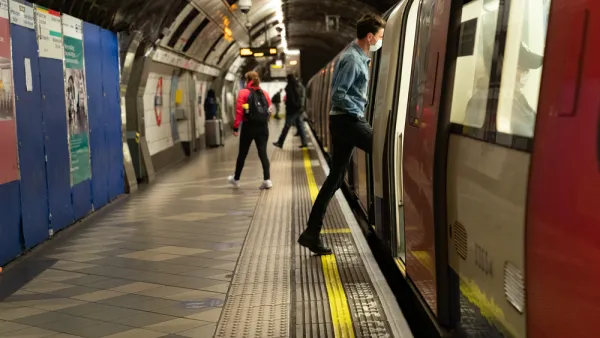
What Is the Future for Transit After COVID? - A Debate
Critic Randal O'Toole and advocate Todd Litman debate how communities should plan for public transit in the post pandemic future. Should it contract or expand?
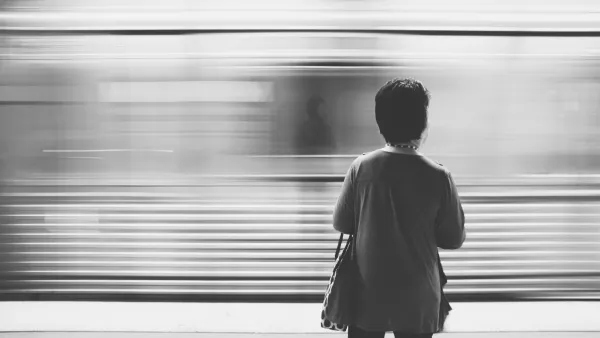
Report: How L.A.'s Transportation System Fails Women
According to an LADOT study, the city's women face disproportionate barriers in accessing safe, efficient transportation.
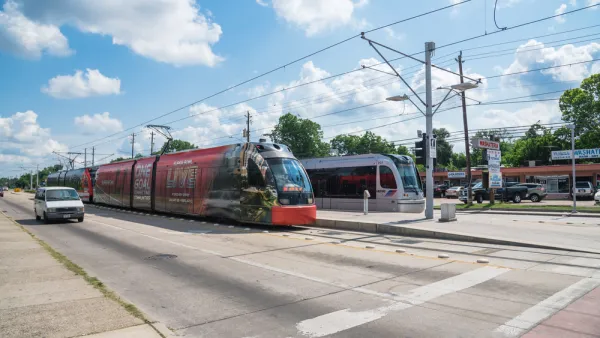
Houston Plans New Downtown Bus-Only Lanes
The lull in commuter traffic during the pandemic gave Houston's transit agencies time to implement new projects and redesign downtown roads to better accommodate transit users.

FREE Course: Walkable City 1: Why Walkability?
After describing his path towards focusing on walkability as the essence of good planning, Jeff Speck marches through his five principal reasons for making more walkable places.
Reinventing Malls: Planning Alchemy—Turning Gray Fields Into Gold
The course focuses on the opportunities and imperatives that shape reinvention of mall sites.

City of Charlotte
City of Rosemead
Rutgers University, Edward J. Bloustein School of Planning and Public Policy
University of Michigan School for Environment and Sustainability (SEAS)
Hunter College, City University of New York (CUNY)
The Architects Foundation
University District Partnership









