Public Transportation
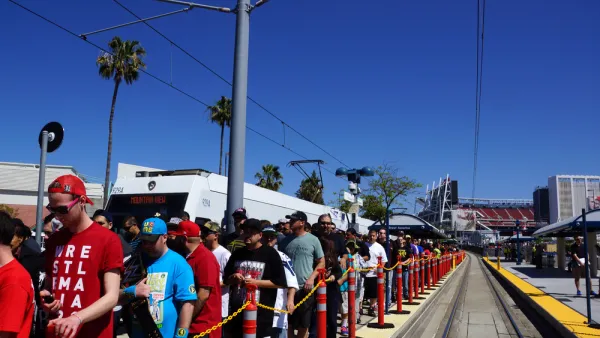
Guaranteed Transit Funding Lacking in New Infrastructure Bill
Lauded by the administration as a historic amount, the transit funding promised in the revised bill lags far behind projected needs.
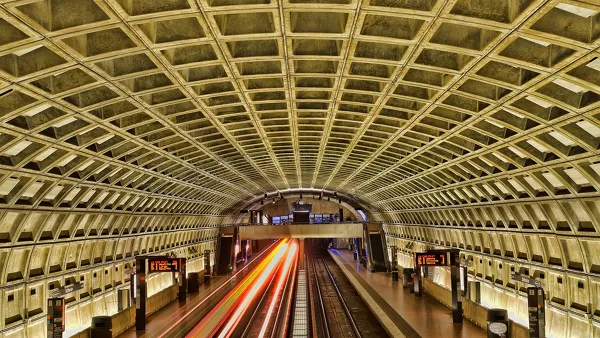
D.C. Transit Agencies Ready to Serve Returning Commuters
The region's transit providers are gearing up to provide enhanced service, shorter headways, and reduced or free fares as more people return to public transportation.
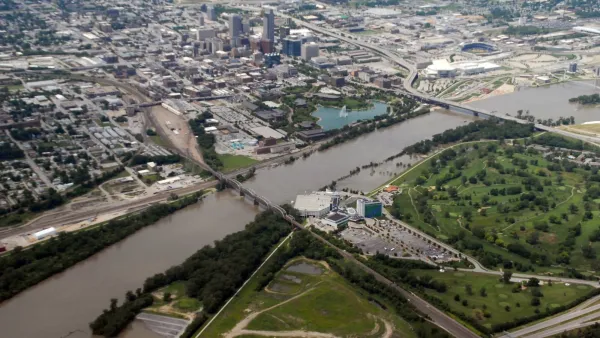
Omaha's Transit Agency Plans to Expand, Enhance Service
The plan calls for more frequent service, expanded bus lines, and connectivity between different modes of transit.
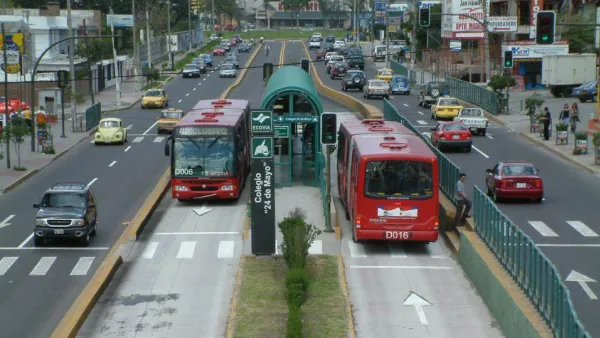
Bus Rapid Transit Gaining in Popularity
As cities look to rebuild their transit systems, bus rapid transit provides a cheap and effective way to expand access and boost speed.
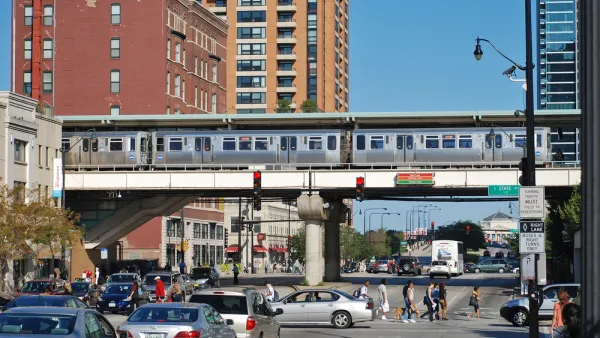
Chicago's New Strategic Plan for Transportation Prioritizes Equity and Accountability
The plan calls for safer streets, more equitable distribution of resources, and expanded community engagement.
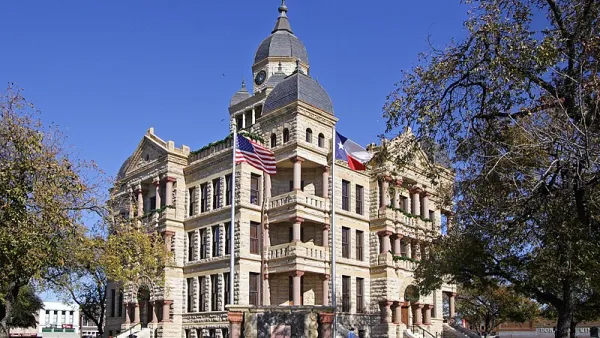
Denton Plans to Replace Most Bus Routes With On-Demand Microtransit
Transit advocates worry that outsourcing fixed-route service will decrease service levels and raise costs for riders.
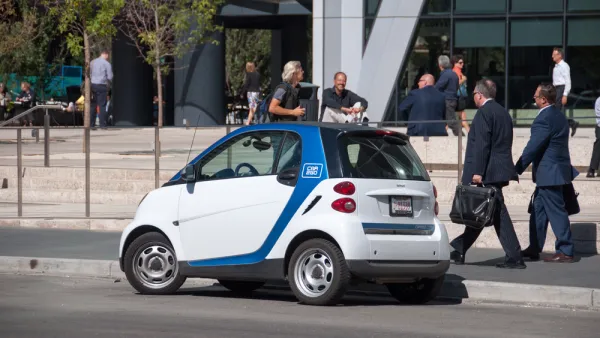
Opinion: Boost Public Car Share to Reduce Private Vehicle Ownership
Research shows that consistent access to shared cars drastically reduces car ownership rates, but U.S. regulations often impede success for private fleets.
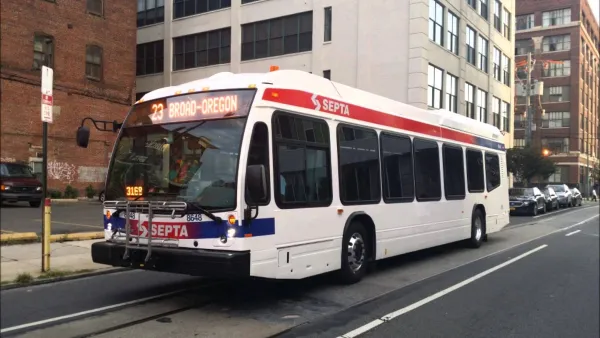
Opinion: Give Students Free SEPTA Rides All Week Long
Philadelphia's student passes cut off at 8 p.m. and don't include weekends, but expanding the free fare program could help SEPTA rebuild ridership and create lifelong transit users.
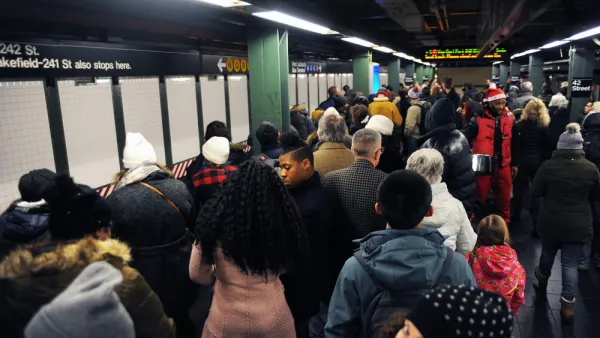
NYC Transit Needs Its Commuters Back
With ridership still at less than half of pre-pandemic levels, the region's transit agencies face billions of dollars in budget shortfalls after federal assistance runs out.
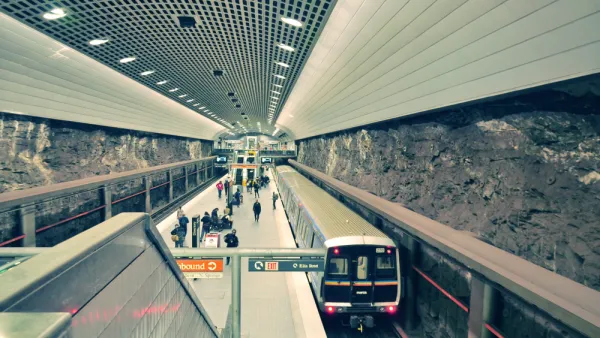
Challenges for Post-Pandemic Public Transit
After adjusting to COVID-19 protocols and pandemic-era budget cuts, transit agencies must again reorient their service to the post-pandemic world.
How to Attract Post-Pandemic Transit Riders
After seeing dramatic cuts in service and ridership during the pandemic, transit agencies have a small window of opportunity to gain and retain regular passengers.
How Bad Transit Encourages Car Ownership
The lack of robust public transit networks in many U.S. cities reduces access to opportunity and drives those who can afford it to buy private vehicles.
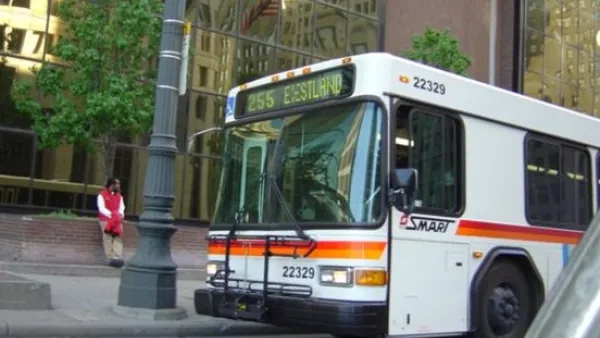
Opinion: Detroit Area Stunted by Lack of Regional Transit
Improved connectivity and reliability in the region's public transit could stimulate growth and help build a more vibrant local economy.
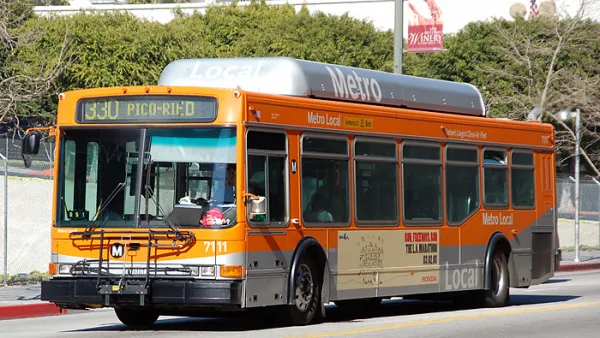
Opinion: Transit Needs to Be Better, Not Cheaper
With many U.S. transit agencies facing severe gaps in service and budget shortfalls, some advocates argue that improved service matters more than free fares.
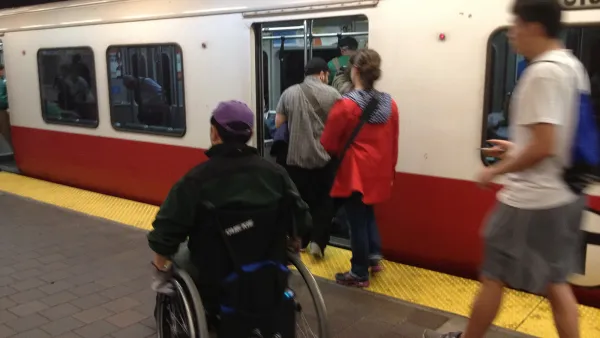
Federal Bill Proposes $10 Billion for Transit Accessibility
The program would fund improvements such as elevators, ramps, and accessible ticketing equipment to bring the nation's transit stations up to ADA standards.
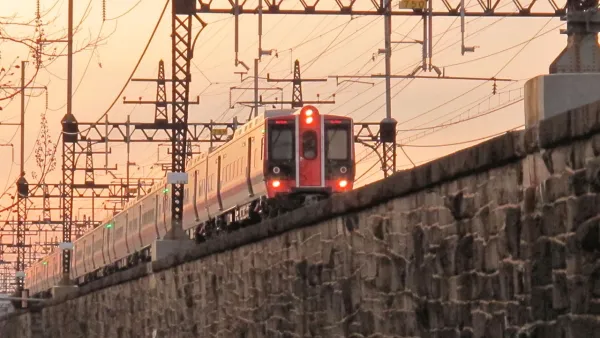
Opinion: Transportation Funding Priorities Are Outdated
Investing in technology and promoting innovation in the transportation sector can further the Biden administration's goals of reducing carbon emissions and improving public transit.
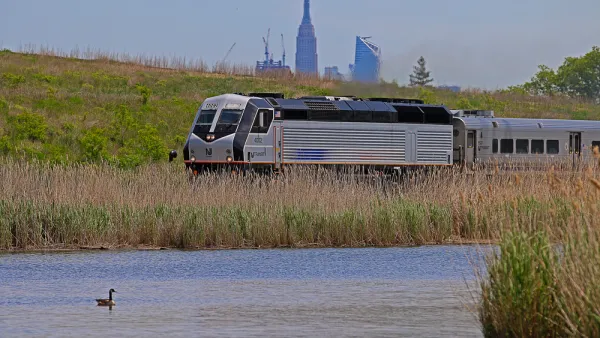
The High Cost of Adapting Commuter Rail for the Post-COVID Future
U.S. commuter rail systems, primarily designed to bring workers to and from central business districts, must adapt to serve a broader population as the traditional workday changes.
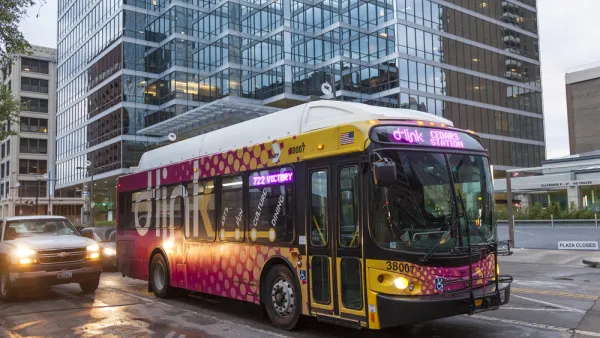
The Future of Transportation: Well-Funded Buses (Not Self-Driving Cars)
While autonomous vehicles still face regulatory and technical challenges, investment in basic transportation infrastructure like buses and bike lanes can go a long way toward improving safety and taking cars off the road.
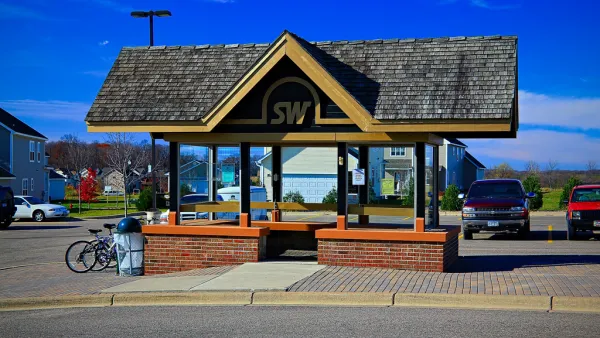
Senate Committee Hearing Signals Possible Shift in Federal Transit Funding
Transit advocates were pleasantly surprised to hear senators address specific questions about the 80/20 split in transportation funding, transit operations, and rural transit needs.
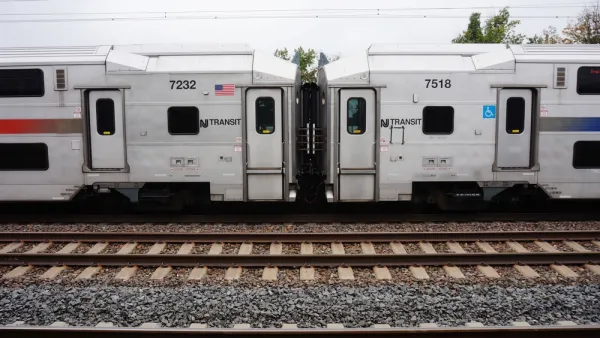
Opinion: 'Commuter Rail' Must Adapt to the New Commute
The sharp historic division between commuter rail and other forms of transit has limited the ability of regional rail systems to serve more users.

FREE Course: Walkable City 1: Why Walkability?
After describing his path towards focusing on walkability as the essence of good planning, Jeff Speck marches through his five principal reasons for making more walkable places.
Reinventing Malls: Planning Alchemy—Turning Gray Fields Into Gold
The course focuses on the opportunities and imperatives that shape reinvention of mall sites.

City of Charlotte
City of Rosemead
Rutgers University, Edward J. Bloustein School of Planning and Public Policy
University of Michigan School for Environment and Sustainability (SEAS)
Hunter College, City University of New York (CUNY)
The Architects Foundation
University District Partnership









