Planning
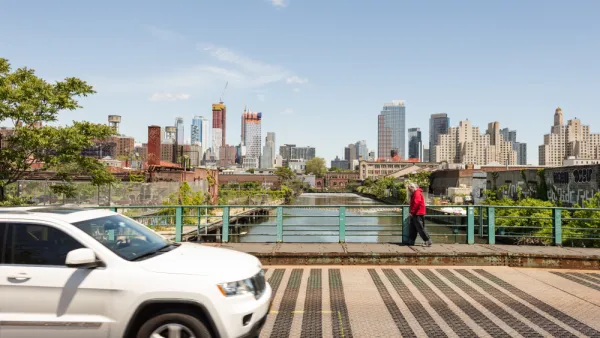
Planning via Zoom: Legal Scrutiny for Pandemic Realities in New York City
The question of whether a public review process conducted by Zoom is sufficient to approve a sweeping rezoning plan is a matter of no small legal concern in New York City.
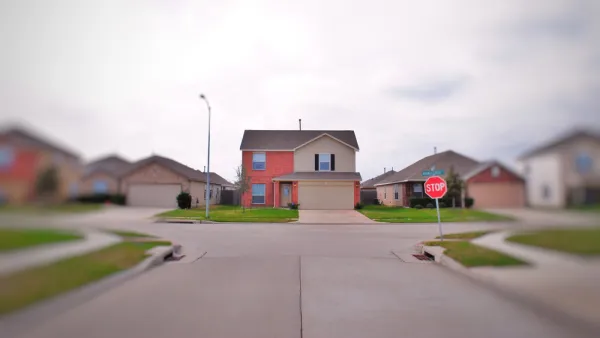
What is Single-Family Zoning?
Single-family zoning is by far the most common form of zoning in the United States, but it's facing increasing criticisms both for its discriminatory origins and its sprawling effects.

What Is Density?
Density is a controversial topic, but public opinion on the opportunities and risks of density have shifted in recent decades. To many, density now has a positive connotation.

Higher Lot Coverage to Boost Density
A proposal in Snohomish County, Washington could raise the lot coverage limits in medium density residential zones to allow for more usable square footage.

Cultivating a Culture of Transit
How Detroit, historical home of the U.S. automotive industry, can create a culture of transit and the equitable transportation system its residents need.
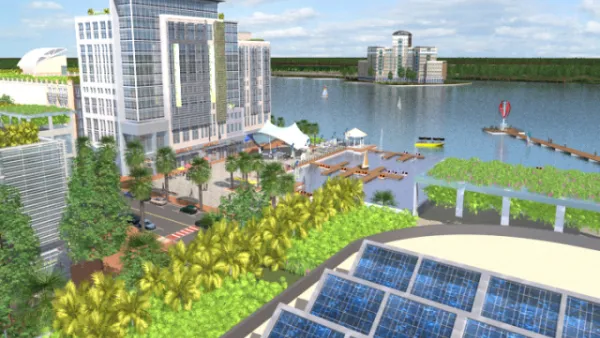
The Potential of New Towns
Richard Peiser and Ann Forsyth discuss their latest book, New Towns for the Twenty-First Century: A Guide to Planned Communities Worldwide, with the Penn Institute for Urban Research.

Letting Cities and Regions Lead Infrastructure Investment
Rice University Kinder Institute for Urban Research recently published "A Bottom-Up Infrastructure Strategy for American Renewal."
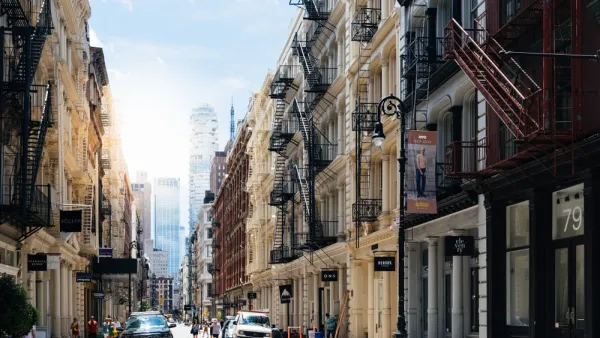
New Research on the Effects of Market-Rate Development and Upzoning
A glut of new housing and development research has been published recently, shedding new light on some of the most fundamental questions of contemporary planning.
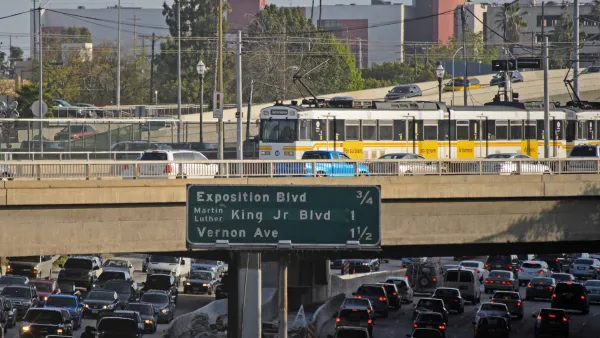
Congestion Pricing Study Taking Shape in Los Angeles
New York City is the furthest along with a congestion pricing scheme, but San Francisco and Los Angeles are catching up in California.
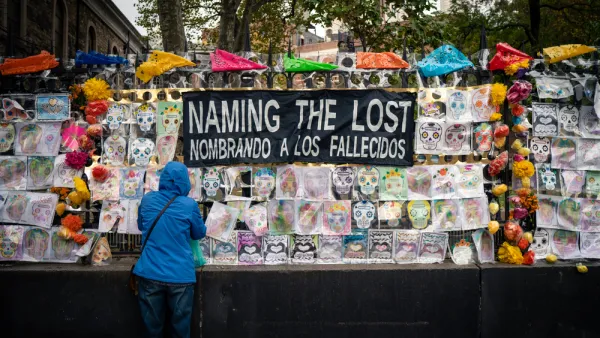
Haves and Have Nots: Planning and the Deep Divides of the Pandemic
The latest in a series of compendia gathering news and analysis about the effects of the COVID-19 on the built and natural environments—now and long into the future.

Political Pressure Reinvigorates B Line Extension Plans in Colorado
The CEO of the Regional Transportation District speculated recently about whether a planned extension of the B Line to Boulder was necessary or desirable. The governor doesn't think the speculation was necessary or desirable.
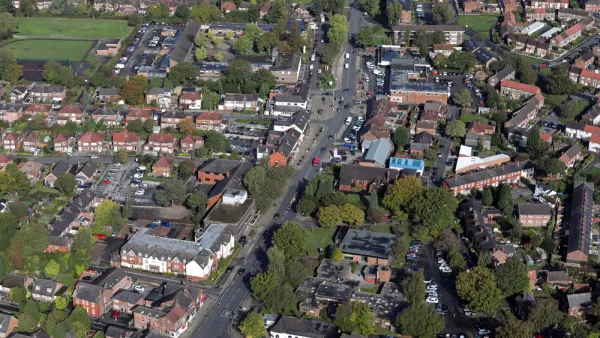
The Planning Meeting Everyone's Talking About
The world of planning hearings and the pandemic realities of Zoom meetings collided in spectacular fashion in the tiny town of Handforth Parish in the United Kingdom.
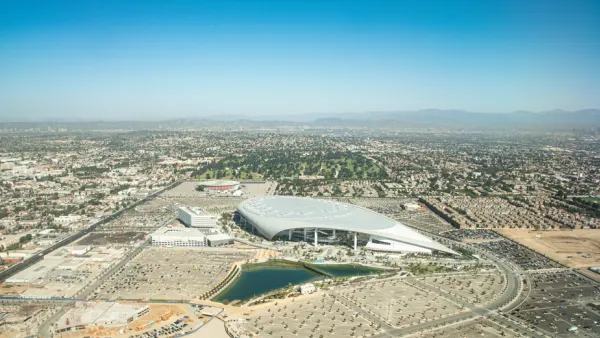
Stadiums, Space, and the City
Stadium footprints are enormous. It's time to get smarter about how they are used.
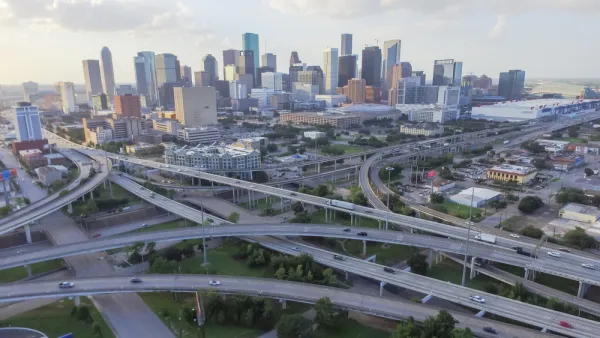
TxDOT Approves I-45 Widening Despite Local Opposition
Despite every manner of local opposition, the Texas Department of Transportation is pushing forward with a plan to widen Interstate 45 north of the city of Houston, demolishing and displacing thousands of homes, businesses, and community facilities.

Pop Quiz: What Kind of Post-2020 City-Maker Are You?
The State of Place blog is offering a pop quiz designed to help you diagnose the kind of post-2020 city-maker you are.
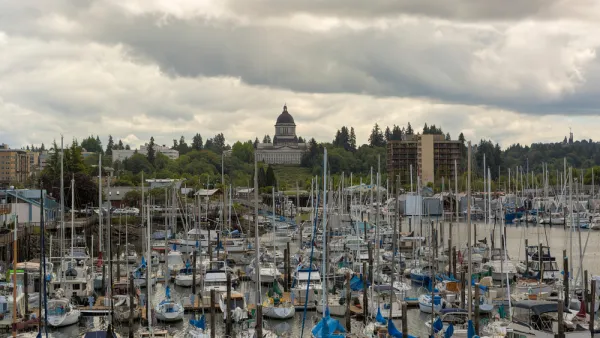
Housing and Land Use on Washington's Legislative Agenda
The Washington State legislature will consider a number of bills this session that would alter planning and development in a state grappling with population growth and rising housing costs.
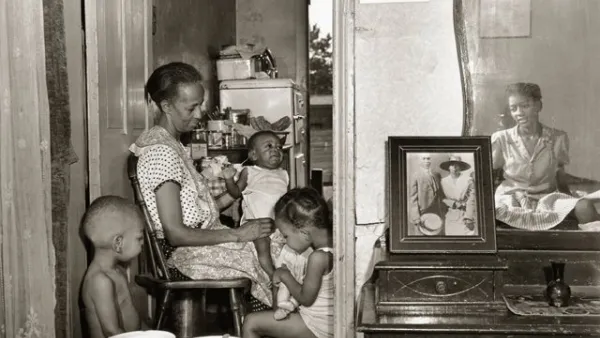
Repositioning Black Urbanists in the History of Planning
The history of planning is dominated by a few iconic figures—all white.
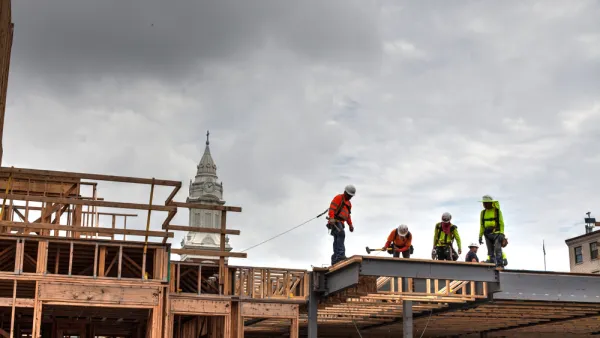
Philadelphia City Council Pushing for More Control Over Zoning Variances
A cause abandoned by the Philadelphia City in 2019 is on the table again.

What Is Exclusionary Zoning?
Criticized as a key factor in perpetuating housing inequality in the United States, exclusionary zoning refers to a range of policies that, explicitly or implicitly, seek to prevent people of certain races, ethnicities, or income levels from buying homes in specific neighborhoods.

Planning Trends to Watch in 2021
The nation is now tasked with the challenge of changing course in the middle of multiple, global crises. The necessity of finding a way to overcome the failures of the past and lay the groundwork for a new kind of future has never been more clear.

FREE Course: Walkable City 1: Why Walkability?
After describing his path towards focusing on walkability as the essence of good planning, Jeff Speck marches through his five principal reasons for making more walkable places.
Reinventing Malls: Planning Alchemy—Turning Gray Fields Into Gold
The course focuses on the opportunities and imperatives that shape reinvention of mall sites.

City of Rosemead
Rutgers University, Edward J. Bloustein School of Planning and Public Policy
One Hundred Miles
University of Michigan School for Environment and Sustainability (SEAS)
Hunter College, City University of New York (CUNY)
The Architects Foundation
City of Cambridge
Montrose County
The Pocatello Development Authority









