Parking
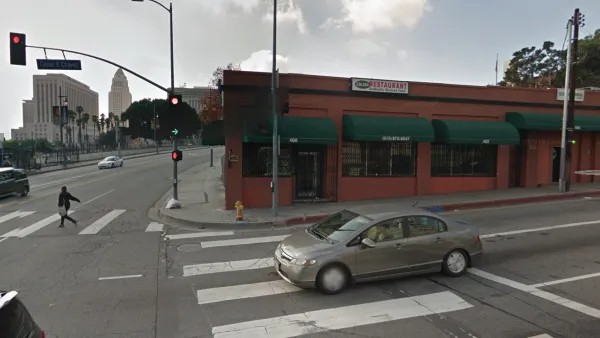
Curbs Have the Power to Transform Cities
Curb design and management play a huge role in other aspects of city life. Put simply, what happens on the curbside directly impacts what happens on the street, both in terms of social and business connectivity.
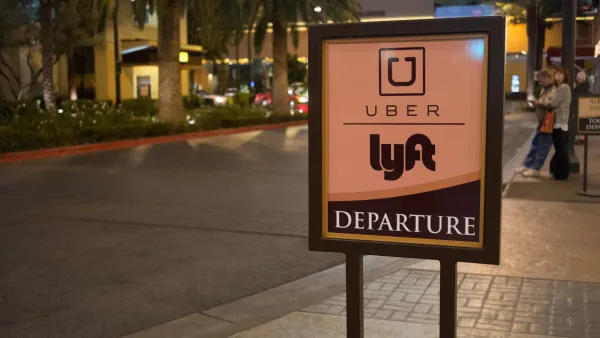
Do Rideshare and Goods Delivery Need Their Own Curb Space?
On some busy blocks, Uber and Lyft drivers have nowhere safe to park. Neither do parcel delivery personnel. Shared use mobility zones could address the problem.

10 Stats That Explain the World in 2017
Looking for lessons about 2017?

Pigeon Spikes…on Trees
A developer in Bristol installed pigeon spikes on trees to keep bird droppings off cars.
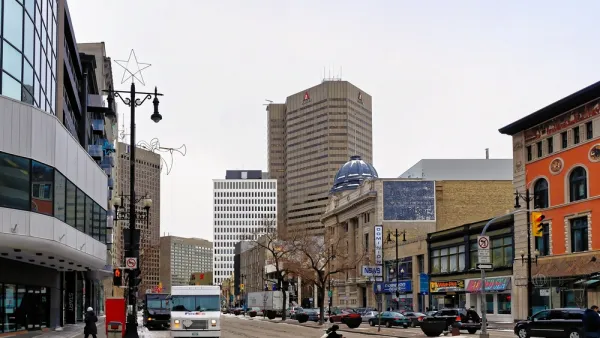
Winnipeg Reckons With Parking and Place
Increasing the price of parking is among the initiatives Winnipeg is pursuing in an effort to make its downtown more livable.
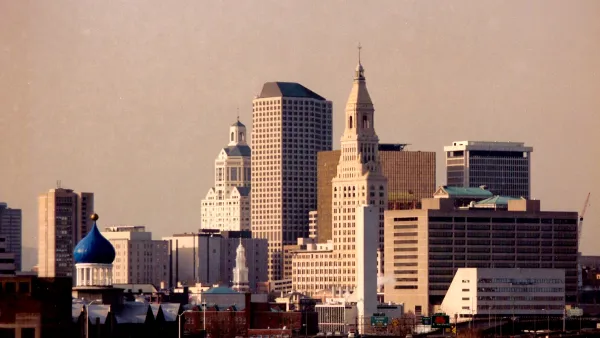
No More Parking Minimums in Hartford
Earlier this month, the Hartford Planning and Zoning Commission voted unanimously on a revised zoning code that lets builders forgo parking citywide.

Eyes on the Street
The concept of "eyes on the street" is relevant to a wide variety of neighborhoods, not just the low-rise urban areas that Jane Jacobs wrote about.

Boise Residents Revolt Over Planned CVS
A huge public response shows that the booming city is defining a new future with smart growth.
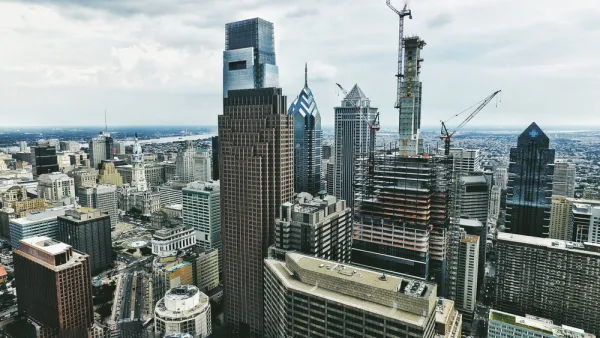
How to Create More Affordable Housing in Philadelphia
Eliminating parking minimums and reforming Philadelphia's tax abatement program could do a lot in making Philadelphia affordable, Inga Saffron argues.
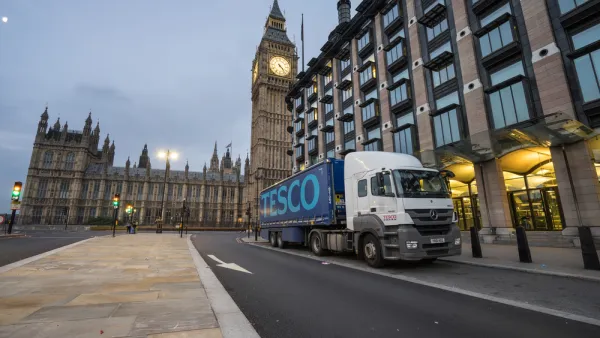
London Plan Takes a Bold Stand Against Parking
The new 25-tear London Plan would ban the construction of parking in large swatches of the city. It's just one component of an ambitious policy agenda presented by London Mayor Sadiq Khan this week.
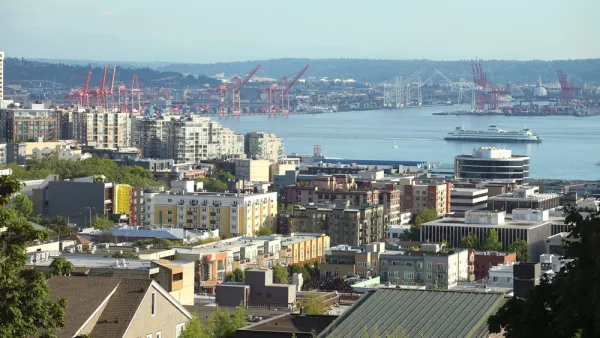
Showdown in Seattle: Should Developers Forgo Parking?
A mixed-use project in Seattle's Phinney Ridge neighborhood has become a flashpoint in the ongoing debate over parking. Activists are fighting rules that let developers omit parking in areas with a certain level of transit service.
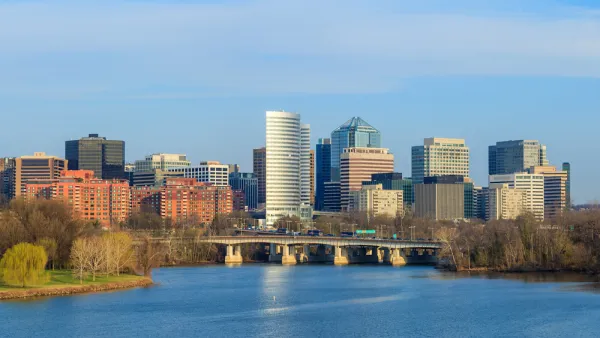
Arlington County Reduces Parking Requirements for Multi-Family Developments on Metro Corridors
In addition to reducing parking requirements to 0.2 to 0.6 spaces per unit for developments "approved by special exception," the board went a step further by requiring mitigations if developers provide more than 1.65 spaces per unit.
More Cities Replacing Parking With Drop-Off Zones for Ride-Hailing Companies
More than one city has ditched parking in response to the congestion and conflicts created by ride-hailing pick-ups and drop-offs .
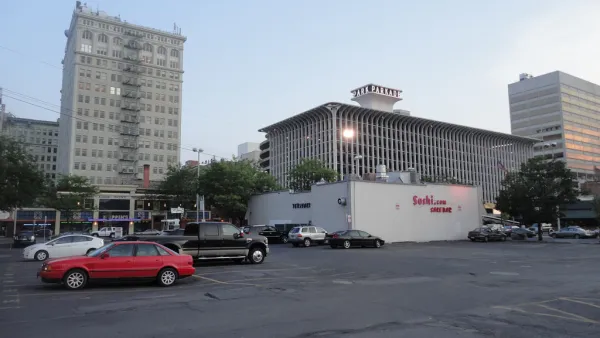
Spokane Considers Tax Incentive to Redevelop Downtown Parking Lots
It's an idea that has already had some success in Philadelphia: give developers a tax abatement on projects that achieve some desired end, in this case fewer surface parking lots.
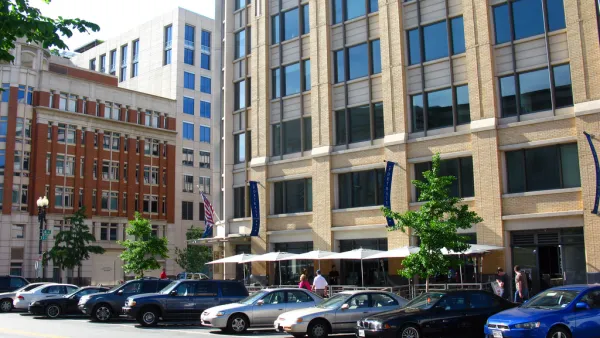
Back-In Angle Parking Here to Stay in St. Louis
Not everyone likes the proliferation of back-in angle parking in St. Louis, but the city is committed
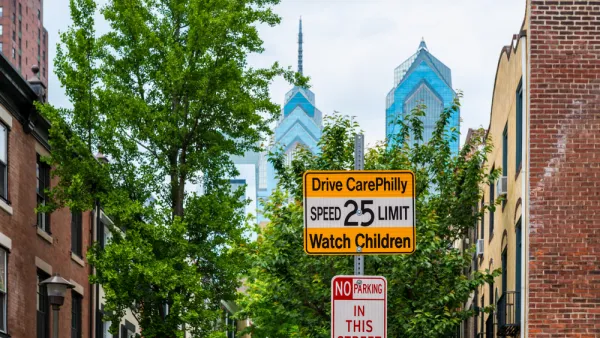
A Parking Success Story in Philadelphia
It's much easier to talk the parking talk than to walk the parking walk. Philadelphia, however, is showing how to actually replace overabundant parking with walkable housing developments.
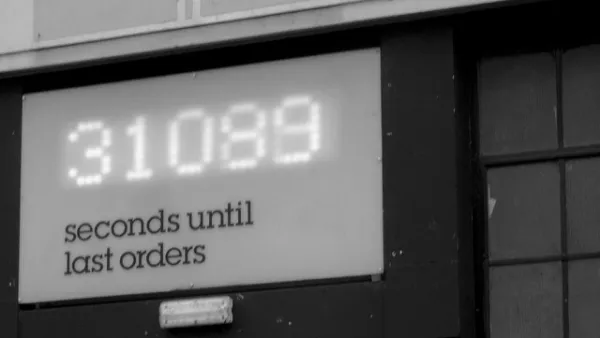
D.C. Removes Parking Spaces to Make Room for Late-Night Ride Hailing
Fewer parking spaces, more sober rides home. Sounds like a recipe for a good night out.
An App to Rent Driveways
The shared economy is coming to that most sacred of private properties—the garage or driveway parking spot.
The Problem With Externalities
By defining "externalities" as impacts of private conduct, economists and lawyers bias public discussion in favor of government regulation.
Parking Strategies for Comprehensive Plans
Parking needs to be balanced with new development that supports active modes of transportation, integrates a complete streets approach, and values a high-quality public realm. Comprehensive plans can help achieve this balance.

FREE Course: Walkable City 1: Why Walkability?
After describing his path towards focusing on walkability as the essence of good planning, Jeff Speck marches through his five principal reasons for making more walkable places.
Reinventing Malls: Planning Alchemy—Turning Gray Fields Into Gold
The course focuses on the opportunities and imperatives that shape reinvention of mall sites.

City of Rosemead
Rutgers University, Edward J. Bloustein School of Planning and Public Policy
One Hundred Miles
Hunter College, City University of New York (CUNY)
The Architects Foundation
University of Cincinnati Online
Montrose County
The Pocatello Development Authority
The Urban Renewal Agency of the City of Pocatello









