Infrastructure Funding
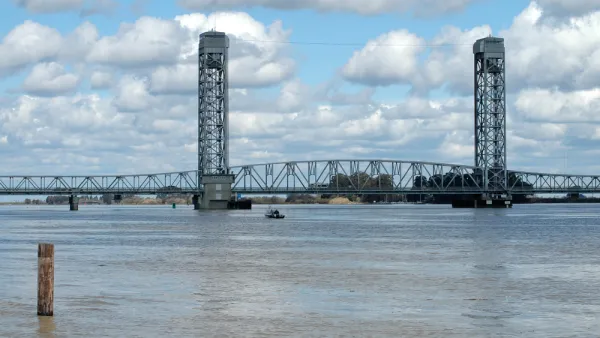
California's $17 Billion Delta Tunnel Project Had a No Good, Very Bad Day
The first water agency to weigh in on the $17 billion water tunnel project proposed for California's Bay Delta delivered a potentially fatal blow to the project.
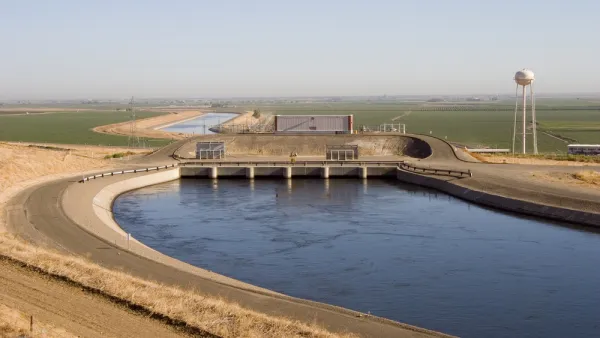
$84 Million in Federal Funds Improperly Spent on California's Delta Tunnels
A federal audit has revealed a failure to disclose the true costs of planning for the Delta tunnel projects.
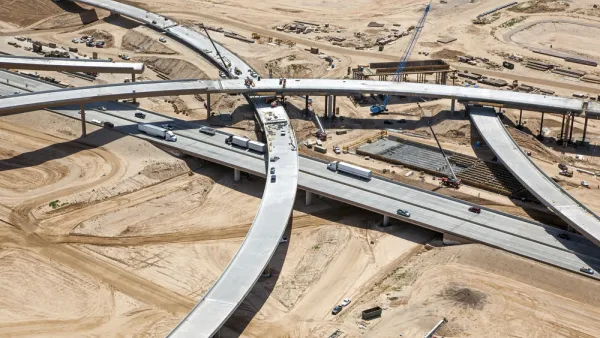
Public-Private Partnerships: Cost-Effective or Cash Cow?
Public-private partnerships between local governments and private contractors have the Trump Administration's favor. But in a "P3 market in its infancy," can they cut costs or simply line pockets?
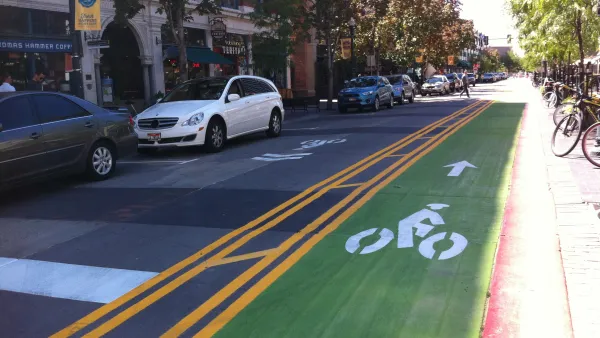
Should People Who Bike Pay Their Own Way, and How?
A common refrain among politicians who oppose bike infrastructure investments is that people who bike don't pay for those projects. What's a bike advocate to do?
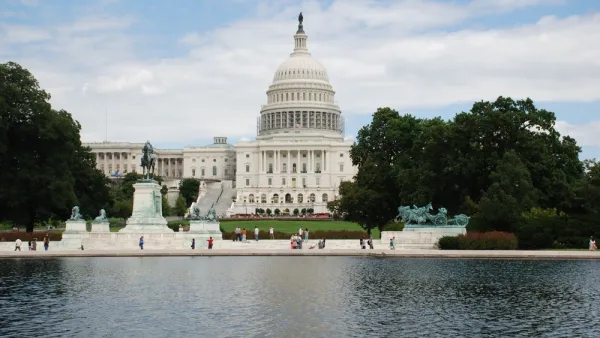
U.S. Conference of Mayors Lobbies for Federal Infrastructure Funding
The devil is in the details, as they say. That will be especially true as Congress and the Trump Administration decide how to allocate infrastructure spending around the county.
Expert Voices 2017: America's Urban Infrastructure
In light of President Trump's comments about infrastructure in his inaugural address and during the campaign, Penn IUR asked its urban experts to respond to the question: What should the United States do about urban infrastructure?
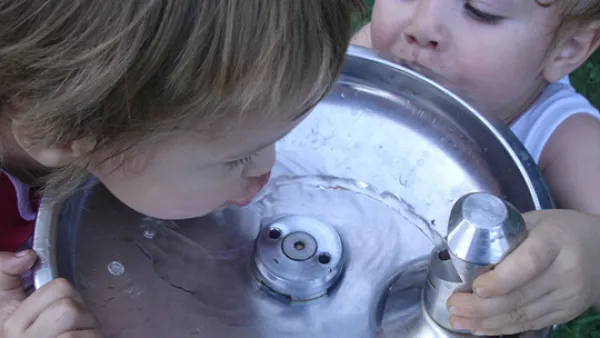
$300 Million for a Tunnel to Deliver Water to New York City
After navigating some confusion about construction timelines last year, Mayor Bill de Blasio took steps this week to ensure New York City's water security.
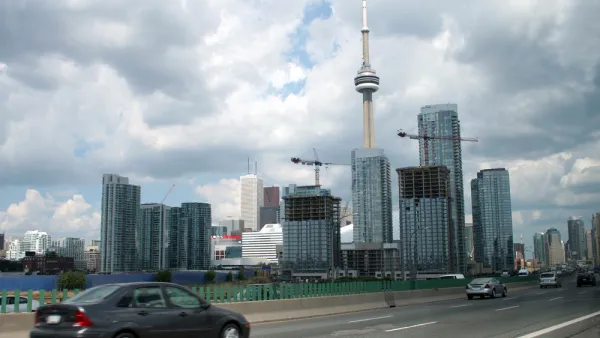
Toronto Could Take a Radical Step by Tolling Local Roads
In some of the biggest transportation planning news of 2016, the City of Toronto is considering a proposal to toll the Gardiner Expressway and Don Valley Parkway in an effort to raise funds for infrastructure improvements.
A Tale of Two Cities: San Jose and Flint
The fixed costs of infrastructure projects leave cities like Flint struggling to pay their bills with fewer people pooling their resources.
Dissecting the National Infrastructure Bank Idea
Hillary Clinton recently proposed the creation of a national infrastructure bank—an idea also put forward several times by the Obama Administration. Posts by Vox and City Observatory put the idea under a microscope.
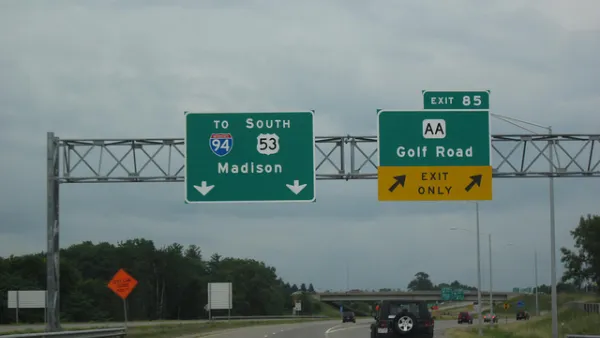
Wisconsin Goes Deeper in the Fiscal Hole to Fix Aging Roads
Wisconsin legislators have voted to continue steep borrowing to pay for needed road repairs, while calls to increase the state’s gas tax grow louder.
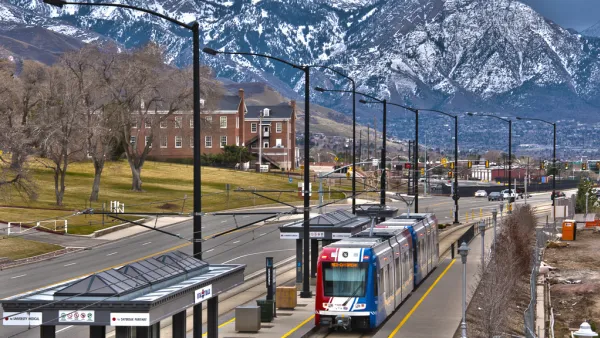
Affordable Housing Follows Good Transit
More raw housing stock is only the first step. Without comprehensive transit, the value of density can't extend beyond the city center.
Pop Quiz: What State Has Highest Percentage of Deficient Bridges?
Hint: It's also the smallest by area. And the next two on the "first is worst" list are in the Northeast as well. According to 2014 FHWA data, over 50 percent of this state's bridges are considered deficient, either structurally or functionally.
Wyoming to Finance Out-of-State Coal Ports
The state of Wyoming sees more potential than risk in financing coal industry infrastructure projects in the state of Washington.
The Georgia Transportation Funding Debate
Georgia's experience emerging from the recession as revenues increase after years of government belt tightening is common around the country. The question now: How to finance the improvements to the state's neglected transportation infrastructure?
New Study Finds California’s Local Streets and Roads In Perpetual Disrepair
The biennial California Statewide Local Streets and Roads Needs Assessment survey found a $78.3 billion funding shortfall over the next 10 years.
America's Third World Infrastructure
Alex Marshall investigates the reasons why America's infrastructure resembles a third world country's, and decides that we have our arcane budgeting processes to blame.
Not So Fast on Infrastructure Binge
The U.S. spends far less on its infrastructure than many other countries, which some say will hurt the nation's competitiveness. The U.S. needs to build infrastructure, but as Neal Peirce argues, with a few caveats.

FREE Course: Walkable City 1: Why Walkability?
After describing his path towards focusing on walkability as the essence of good planning, Jeff Speck marches through his five principal reasons for making more walkable places.
Reinventing Malls: Planning Alchemy—Turning Gray Fields Into Gold
The course focuses on the opportunities and imperatives that shape reinvention of mall sites.

Harvard University Graduate School of Design
KFH Group Inc.
Greater Baltimore Committee
The Architects Foundation
University of Cincinnati Online
The Pocatello Development Authority
The Urban Renewal Agency of the City of Pocatello